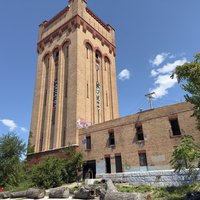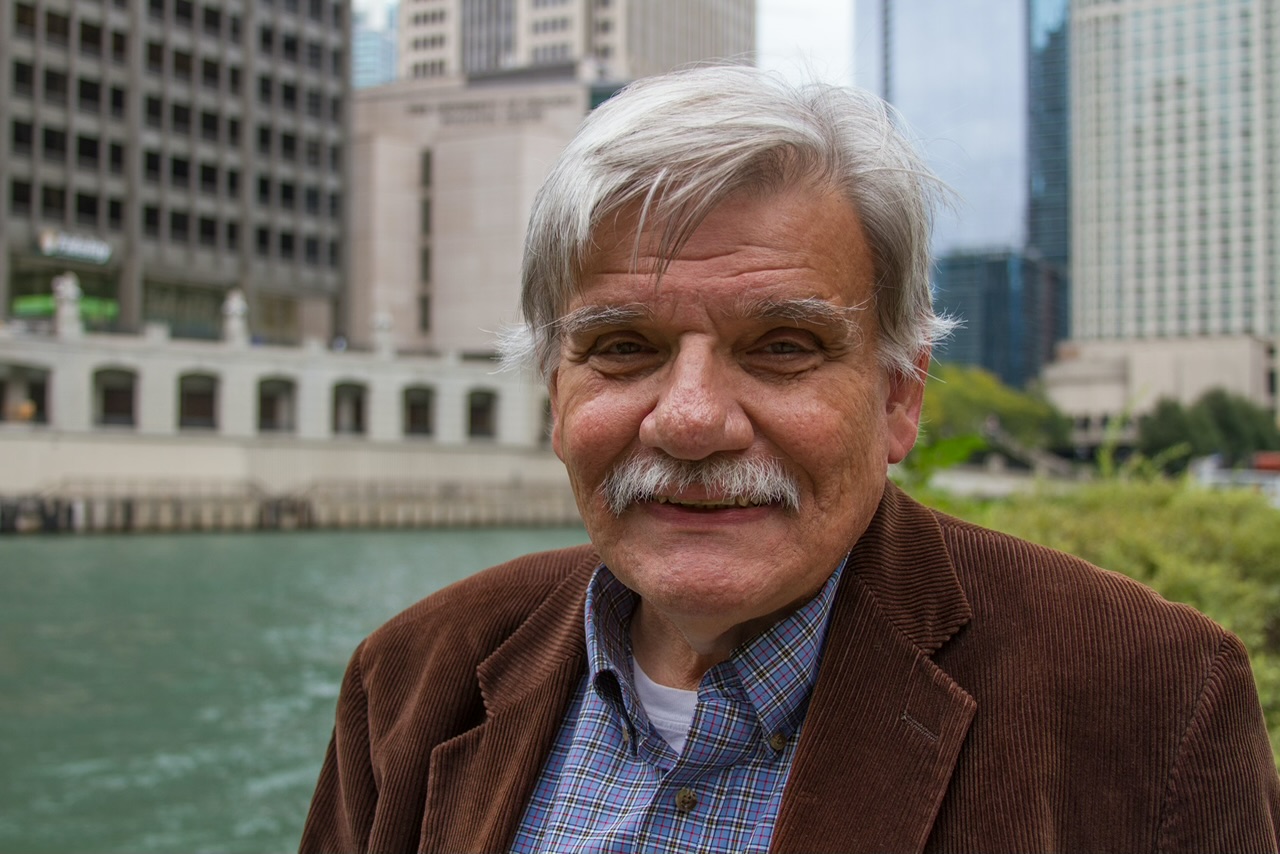
“Politics is Chicago’s favorite sport and we are very good at it. Ours was the last machine to develop but lasted the longest.”—Dominic Pacyga, author of Clout City: The Rise and Fall of the Chicago Political Machine.
The Newberry Library and The Pattis Family Foundation yesterday presented the 2026 Pattis Family Foundation Chicago Book Award, honoring books that transform public understanding of Chicago, its history, and its people. This year’s $25,000 prize was awarded to Dominic A. Pacyga’s Clout City: The Rise and Fall of the Chicago Political Machine, published by the University of Chicago Press in 2025, which traces the origins of Chicago’s distinctive political system to its eventual collapse.
Pacyga, a professor emeritus of history in the Department of Humanities, History, and Social Sciences at Columbia College Chicago, grew up in the Back of the Yards neighborhood where at age 20 he worked as a livestock handler while becoming the first in his family to go to college. He is now curator of the neighborhood’s Packingtown Museum and is writing a memoir of his days there. He is the author of several books, most recently, American Warsaw: The Rise, Fall, and Rebirth of Polish Chicago, also from the University of Chicago Press.
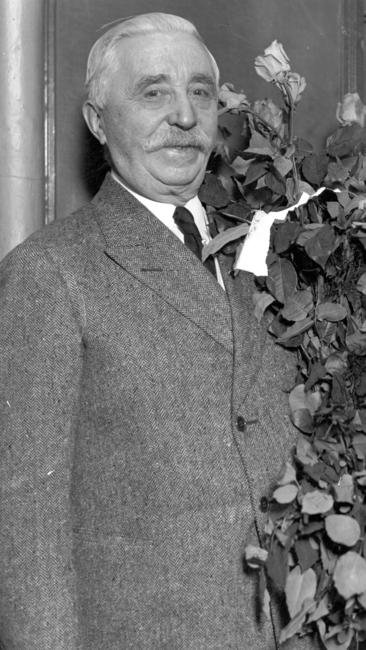
When we talked this week, Pacyga used Chicago 19th ward Irish alderman John Powers who was first elected in 1888 as an example of how the machine worked. Like Bathhouse John Couglin and Hinky Dink Kenna, he knew everything there was to know about patronage.
“He was known as the ‘great mourner’ because he went to so many funerals. Like Richard J. Daley later, he would show up at every wake and it was said he had a rosary in one pocket, a yamulke in the other. He gave away turkeys to voters and never said fill out a form. He was also sometimes known as ‘the great corrupter’ because of the Yerkes scandal but in Little Italy he was known as a good man.”
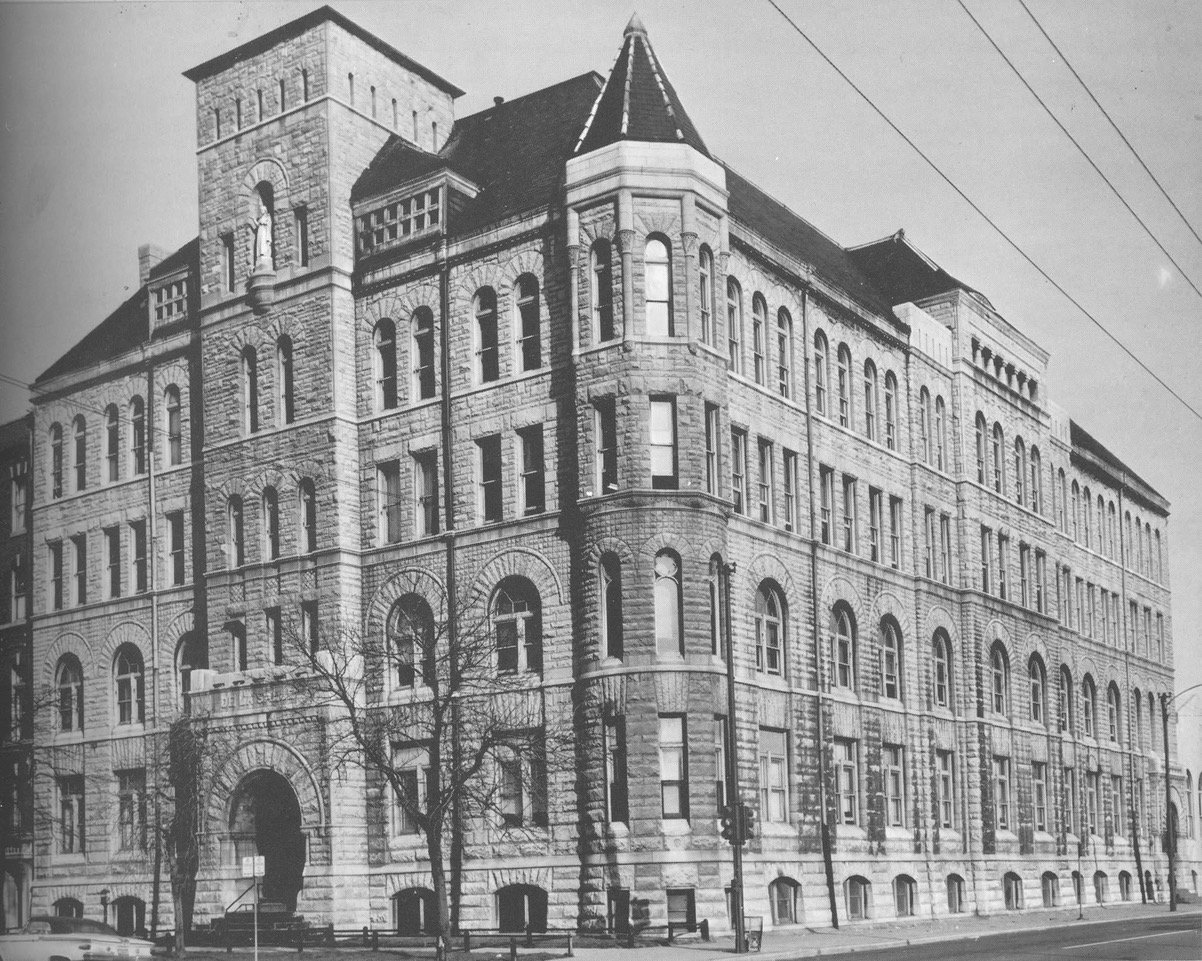
The De La Salle Institute, first at 35th Street and Wabash, was a breeding ground for the machine, attended by Dan Ryan, five Chicago mayors, countless city workers and Pacyga himself. It is like the Groton of Chicago.
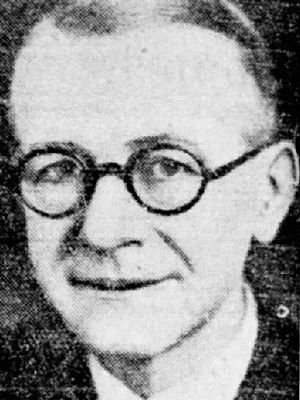
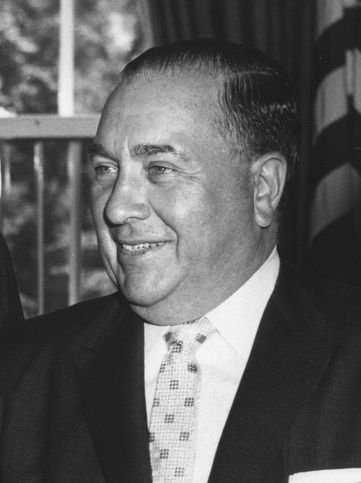
“The French Christian Brothers taught basic loyalty to your church, your neighbor, and unofficially the Democratic party. Richard J. Daley, Frank Corr, Martin Kennelly, Michael Bilandic and Richand M. Daley all attended. Ed Kelly said he did, but he never went to high school.
“Before the Great Fire, it was more parlor politics run by the Marshall Fields, Ogdens and others, several of whom ran for mayor. The Great Fire of 1871 changed things dramatically. Peasant communities came over from Eastern Europe and Ireland and there was a working-class culture. Chicago soon because the second largest Polish city in the world, the third largest Czech city, and the second largest Swedish city. Jewish immigrants came in by the 1930s and black migration came up from the South in two phases after 1915. And there were white Anglo Saxons coming as well. People were facing industrialization for the first time and trying to get agency. The question became how do you absorb and manipulate them?
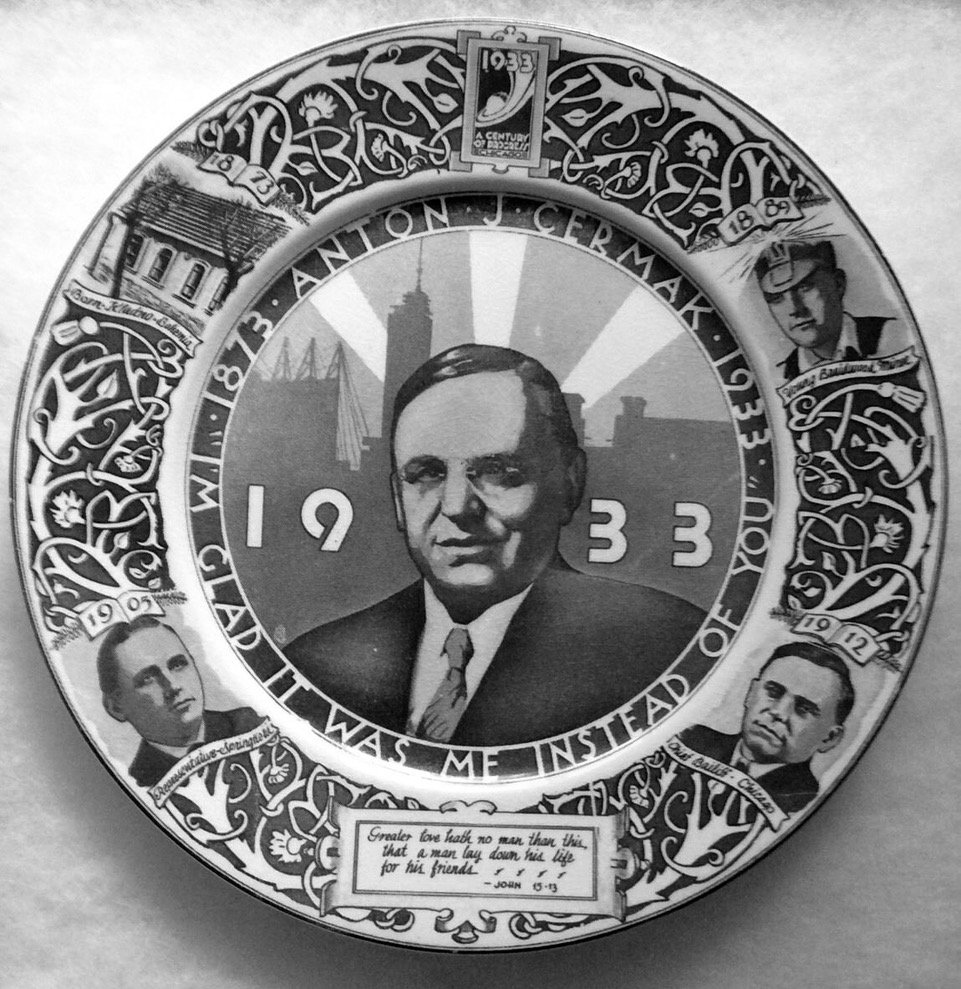
“It is interesting that we only had one immigrant mayor, Anton Cermak who was killed by a shooter attempting to assassinate President Franklin D. Roosevelt. If Cermak was our George Washington, Ed Kelly was our Andrew Jackson, bringing blacks into the machine who previously had voted Republican because of loyalty to Lincoln.”
The author notes that with the assassination of Martin Luther King when the west side was burned in protest, and the killing of Robert Kennedy, showed the beginning of the machine’s decline.
“The reforms of Vatican II also had an impact. Latin disappears and many of the nuns and priests leave the church. There is more upward mobility, more moving to the suburbs, and the power of those 300-400 parishes, the synagogues and of the Lutherans declines.
“I remember as a boy when priests and precinct captains rang your doorbell weekly. There was parallel between the Pope and the Cardinals and the Democratic Party and its Committees. Unions, saloon keepers and other had much power.
“It reached its peak in the 1950s, and later figures like Madigan and Burke were merely ghosts. The machine concept, which began with Tammany Hall in New York, was all about how you organize to get power. Tammany fell apart way before Chicago. We may have been the last to develop but we lasted the longest.”
Speaking of his award, Pacyga said:
“I am honored to receive the Pattis Family Foundation Chicago Book Award at the Newberry Library. It is a great tribute to be recognized by the foundation and by the Newberry Library with which I have had a long and ongoing relationship. The Newberry proved vital for my early success as a historian and has continued to provide me with an important base for my work. Both the Pattis Family Foundation and the Newberry Library are dedicated to the study of what Norman Mailer called ‘the great American City,’ Chicago.”
Astrida Orle Tantillo, President and Librarian of the Newberry commented:
“Dominic Pacyga’s book takes a deep look into the mechanics of Chicago’s political world dating to 1870 and all of its many complexities. It’s an engaging story of how the city came to be what it is today.”
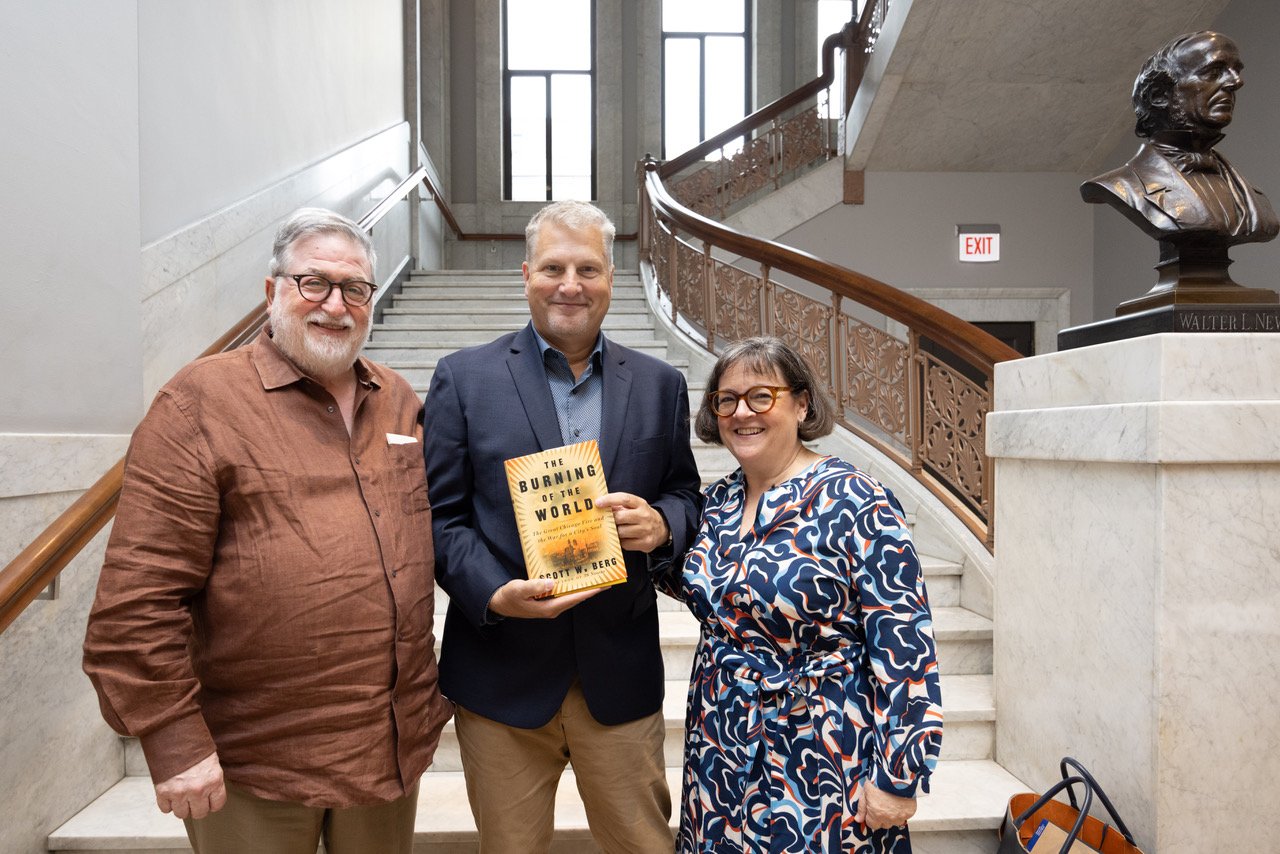
Lisa Pattis of The Pattis Family Foundation noted:
“Dominic Pacyga’s Clout City is a wonderful addition to the list of books that have been recognized since we established the Chicago Book Award. We also want to thank the selection committee for their thoughtful review of the nominated books and their energetic engagement in the selection of the winner and runner-up. Since this award was created, outstanding books related to Chicago’s history, architecture, and neighborhoods have been recognized, each of which illuminates the rich mosaic and diversity of the city.”
In addition to honoring Pacyga, the selection panel also recognized Gayle F. Wald’s book, This Is Rhythm: Ella Jenkins, Children’s Music, and the Long Civil Rights Movement, published by the University of Chicago Press in 2025. Wald, who is professor of American Studies at George Washington University.
The Pattis Family Foundation Chicago Book Award is open to writers working in a variety of genres, including history, biography, social sciences, poetry, drama, graphic novels, and fiction—all relating to Chicago. Previous awardees include: Scott A. Berg, The Burning of the World: The Great Chicago Fire and the War for a City’s Soul (2025); Thomas Leslie, Chicago Skyscrapers 1934-1986: How Technology, Politics, Finance, & Race Reshaped the City (2024); Toya Wolfe, Last Summer on State Street (2023); and Dawn Turner, Three Girls from Bronzeville (2022).
To learn more about the Newberry Library, visit www.newberry.org.
 ← Previous: The Block Museum