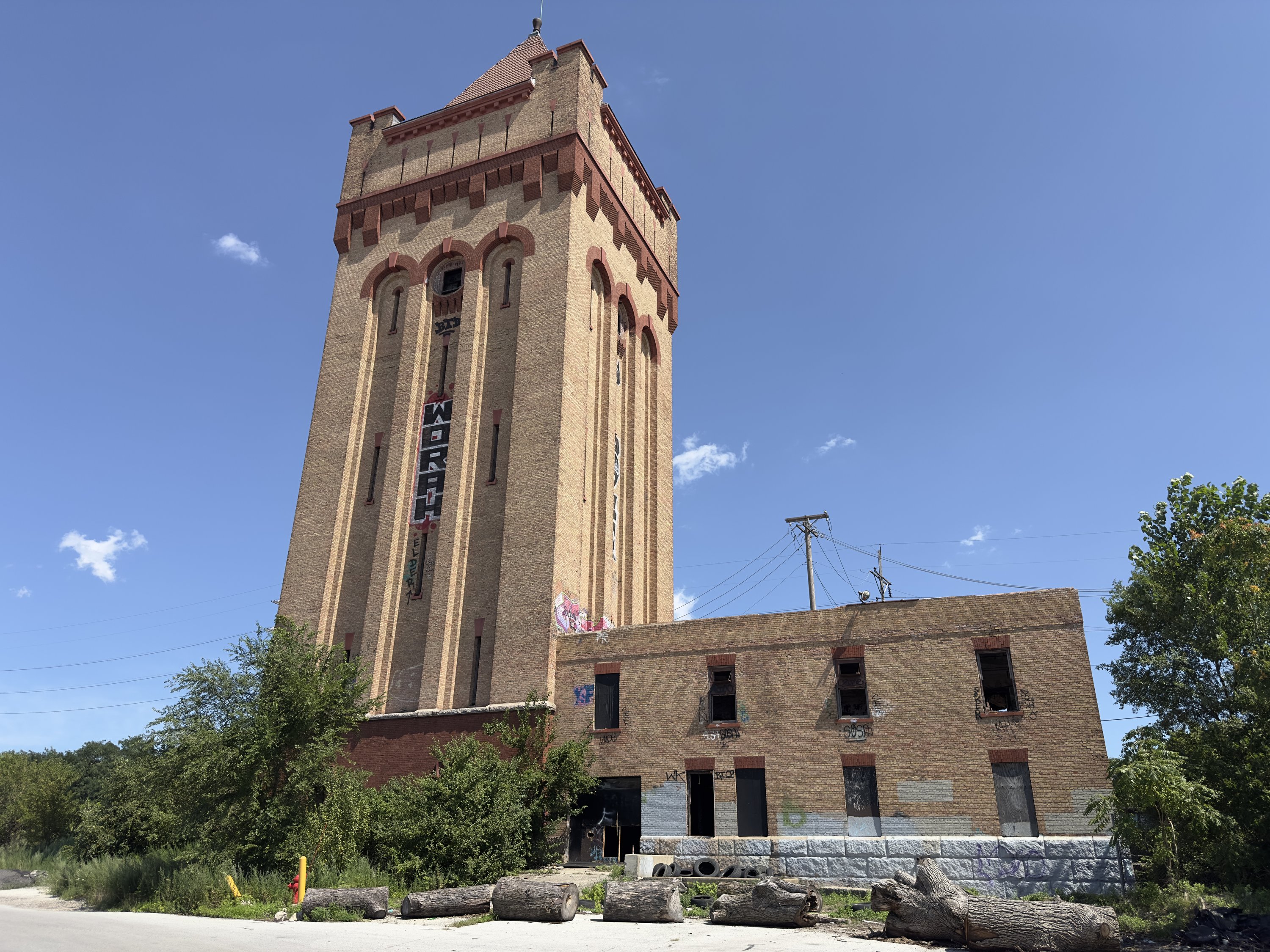
If you ever drove around by Cicero Ave. and Cermak Rd. in Cicero, you might have noticed an old building peeking around by the corner. A remnant that was once considered a hallmark in American manufacturing, The Western Electric Company. All that remains from Western Electric is a fireproof water tower that used to operate in the Hawthorne Works Factory Complex in Cicero, Il. At its peak, Hawthorne used to employ about 45,000 workers and used to produce huge quantities of telephone equipment along with a wide range of consumer products.
Hawthorne Works was a large factory complex with plenty of industrial plants and additional on-site community amenities provided to the workers. Hawthorne Works opened in 1905 and operated until 1983. The facility is well-known for its studies in industrial relations…The term “The Hawthorne Effect,” which was a psychological phenomenon where people changed their behavior or performance because they know they are being watched or studied. The study was first observed with data from the Hawthorne Works complex, collected by psychologist Elton Mayo and later reinterpreted by Henry A. Landsberger, who coined the term.
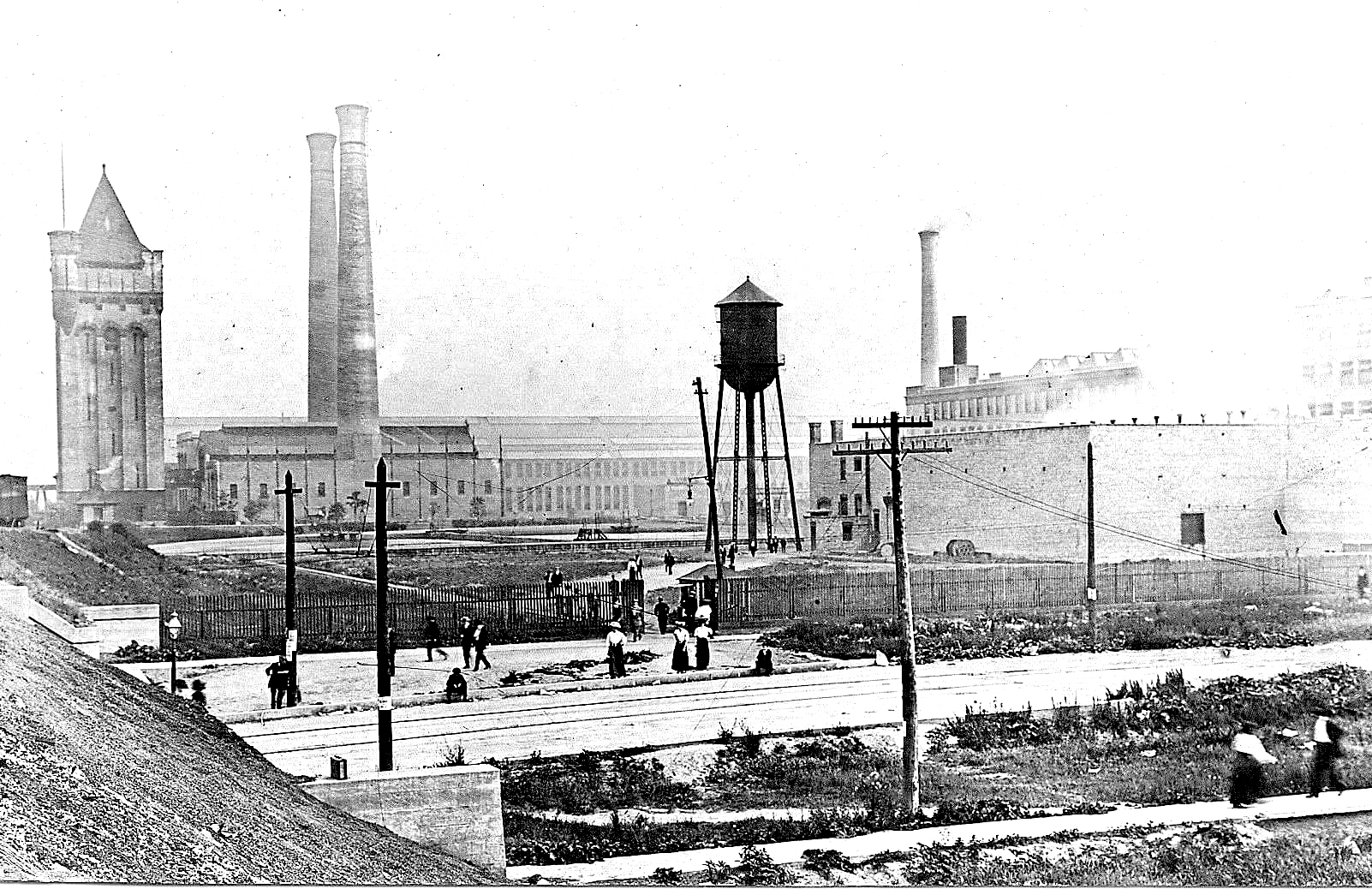
The Hawthorne Works complex was constructed at the intersection of Cicero Ave. and Cermak Rd., Hawthorne Works was named after Hawthorne, Il, which was a small town at the time and was later in Cicero. The facility consisted of several buildings and contained a private railroad, Manufacturers’ Junction Railway, which was used to move shipments throughout the complex and to the nearby Chicago, Burlington and Quincy Railroad Company freight depot. In the early decades, the factory complex was significantly expanded. Hawthorne Works produced a large quantity of telephone equipment. In addition to phones, Western Electric produced a wide variety of consumer products and electrical equipment, such as refrigerators. Workers regularly used bicycles for transit within the plant.
In 1983, Hawthorne Works ceased operations and closed its doors as a result of the disinvestment of AT&T and the breakup of the Bell System. The complex facility was purchased in the mid-1980s by the late Donald L. Shoemaker and he replaced it with a shopping center. One of the original water towers still remains there at the corner of 22nd Street and Cicero Ave.
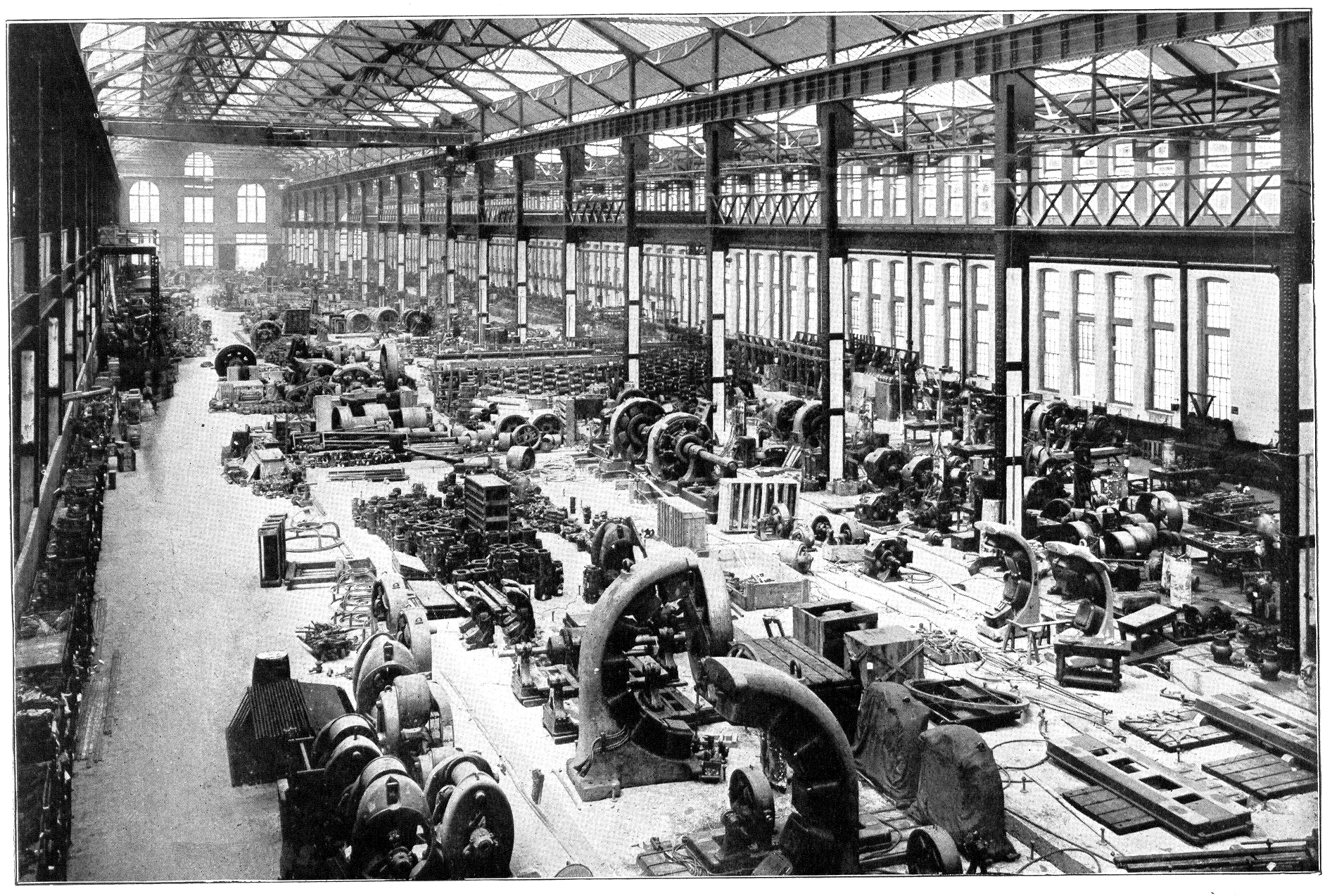
The Hawthorne Works Complex was sometimes referred to as “the city within the city” given its size at its peak. Hawthorne Works history still remains in The Hawthorne Works Museum, operating in Morton College. It tells the story of the Hawthorne Works facility along with photos of the complex, its products and its employees. Exhibits show Western Electric products, such as telephones, communications, consumer products, and electronics equipment. Plan a visit to The Hawthorne Works Museum and see such work of marvels of what once made in America.
 ← Previous: The Newberry Library: A Book on the Chicago Machine