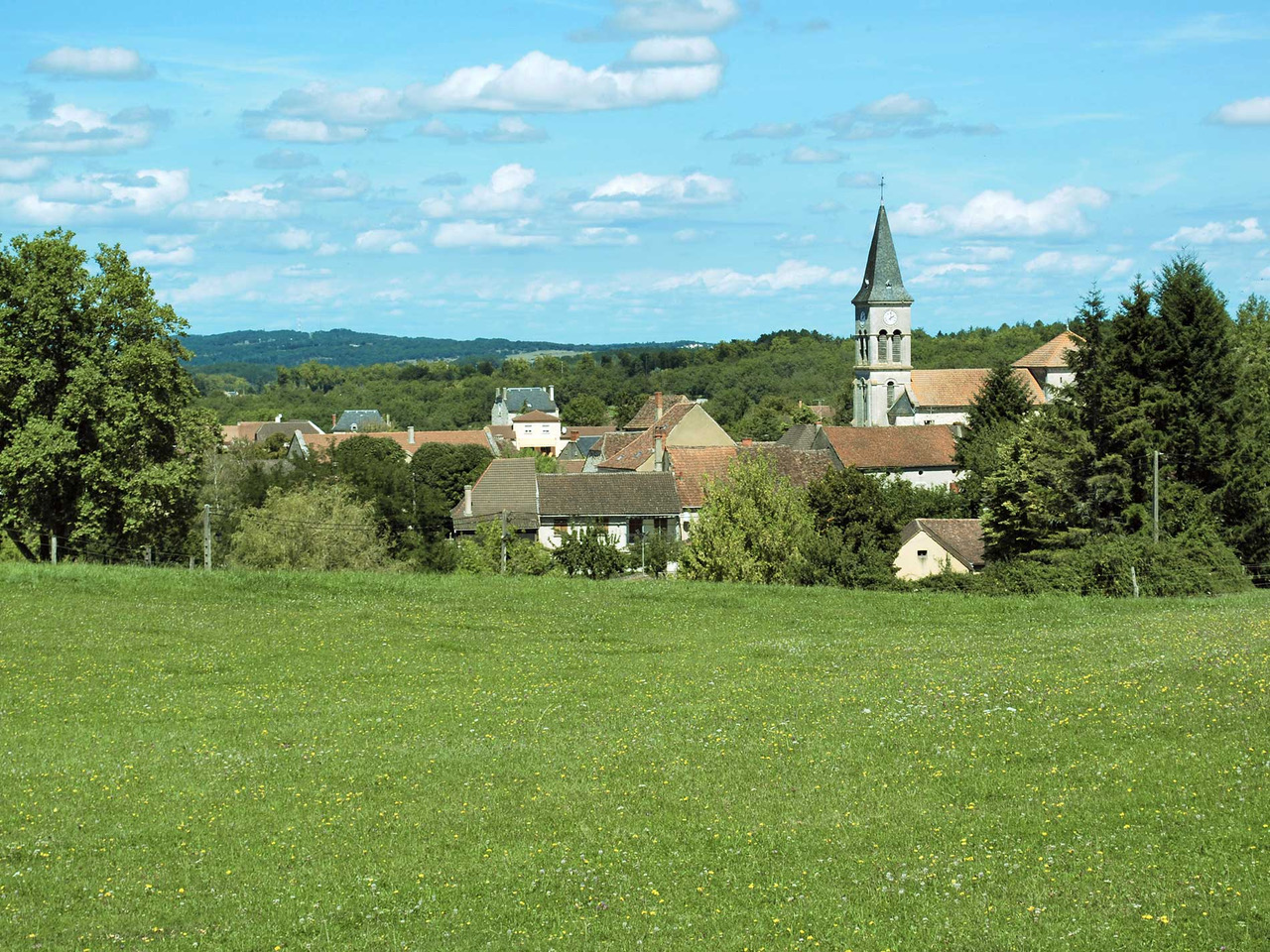
Chez Baillagou is a country inn not far from our house: a sloping roof and a façade half-hidden by creepers, beneath tall plane trees at a crossroads, barely reveal its presence. It was once a filling station. The owner pumped petrol and offered a few home-cooked dishes to motorists travelling the old main road, without making any claims to being a restaurateur.
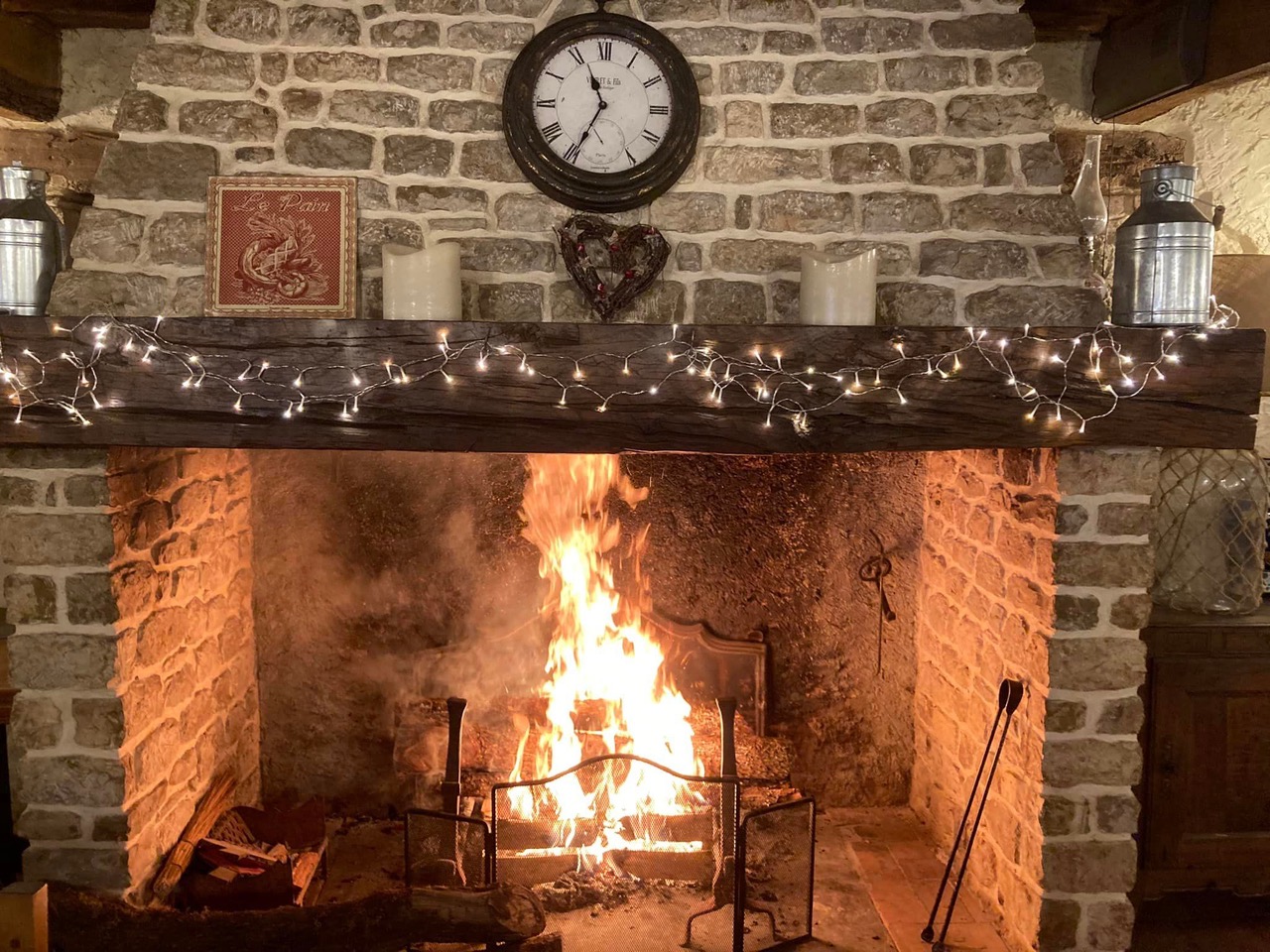
Inside is a large dining room with low ceiling beams and exposed stone walls. At the far end stands the cantou, the great open hearth found everywhere in southwestern France.
By chance, we came upon it the autumn Dan and I became owners of L’Oisellerie. It was past noon and the room was filling with mostly regular customers, but the table in front of the blazing fire was still free. While we were deciding what to eat, the waitress rehearsed her dance positions, crossing her large feet in ballet flats. She was no spring chicken; she had more the air of a slightly dotty, aging aunt. There was little point in subjecting her to questions about the menu, since she was clearly there just to lend a hand—put to waiting tables to keep her from doing damage elsewhere—and had no idea what was going on in the kitchen.
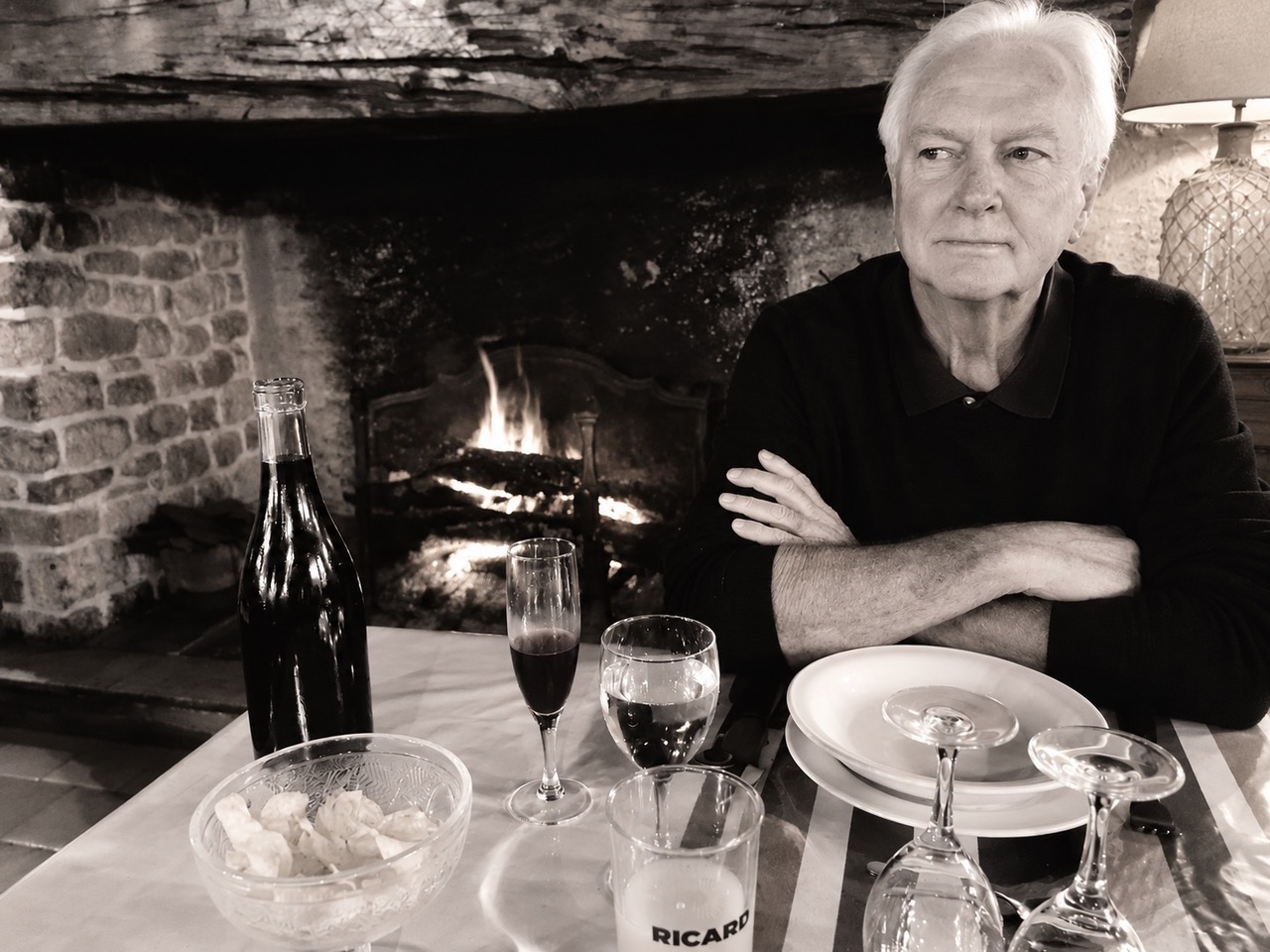
We were brought vin de noix, an aperitif made by steeping green walnuts in wine and alcohol, typical of a region whose valleys are pleasingly combed into orderly rows of walnut trees. Then, as the dreariness of the day gradually receded, driven away by warmth rising from our feet up our backs, there came a steaming tureen of thick potage, followed by a slice of terrine de volaille maison, then coq au vin de Cahors, the plat du jour cooked in a reduced sauce made from the Lot’s most celebrated wine, a Rocamadour goat cheese and, to finish, a still-warm pear tart.
That was all it took to turn us into devoted regulars. And in the years that have followed, the table beside the fireplace has remained “ours.” Once we had become more familiar with the owner, Dan asked him why he didn’t have the comtoise clock in the corner repaired. He said a clockmaker had worked on it, but the stout rustic timepiece had soon stopped again. It stood there silently on display, the motionless pendulum gleaming dully behind the glass. In its refusal to mark the minutes there was something of the inn’s proud resistance. While elsewhere progress brought mass-produced interiors in its wake, Chez Baillagou remained true to itself, untouched by the impersonal haste that was beginning to infect even the provinces.
Our long spell in Sarlat, a self-proclaimed mecca of southwestern French gastronomy, had distorted our sense of the rich culinary traditions of old regions such as Gascony, Périgord, Quercy and Lauragais, reducing them to a contrived cuisine périgourdine largely invented to please tourists: foie gras mi-cuit, Limousin beef with black truffles, Sarlat-style potatoes and duck in every conceivable form. All it took was to travel a few dozen miles beyond its influence, crossing from the Dordogne into the Lot, to rediscover at our weekly visits to Chez Baillagou the dishes once eaten by generations of Occitans. It was like finding, on the menu of some country trattoria lost in the hills of central Italy, corata di lepre, a hare-offal stew; vignarola, the Roman spring medley of artichokes, peas and broad beans; or even coda alla vaccinara, the old Roman way with oxtail.
Cassoulet is a peasant dish of pulses cooked with whatever meat happened to be left over or available in the pantry. Its name comes from the cassole, the earthenware pot in which it simmers all day before being eaten for supper. To the white beans, exhausted by their long cooking and bound together in creamy submission, may be added, depending on the version, goose or duck confit, bacon, pork rind, pork shank, sausage, lamb and even partridge. This is not a dish to be taken lightly—and with good reason, considering that it was supposedly created to fortify French soldiers before an important battle against the English. As with so many popular dishes in France and elsewhere, every town rings its own bell; to settle the rivalry once and for all, a Languedoc gastronome resorted to metaphor: cassoulet is the God of Occitan cooking; God the Father is the cassoulet of Castelnaudary, God the Son that of Carcassonne, and God the Holy Spirit that of Toulouse.
Had Dan known that ris d’agneau was offal, he probably would never have tasted it. Lamb sweetbreads, softer and more yielding than tripe or brains and far more delicate in flavor than liver or kidney, are blanched and then sautéed in butter with garlic and parsley, en persillade.
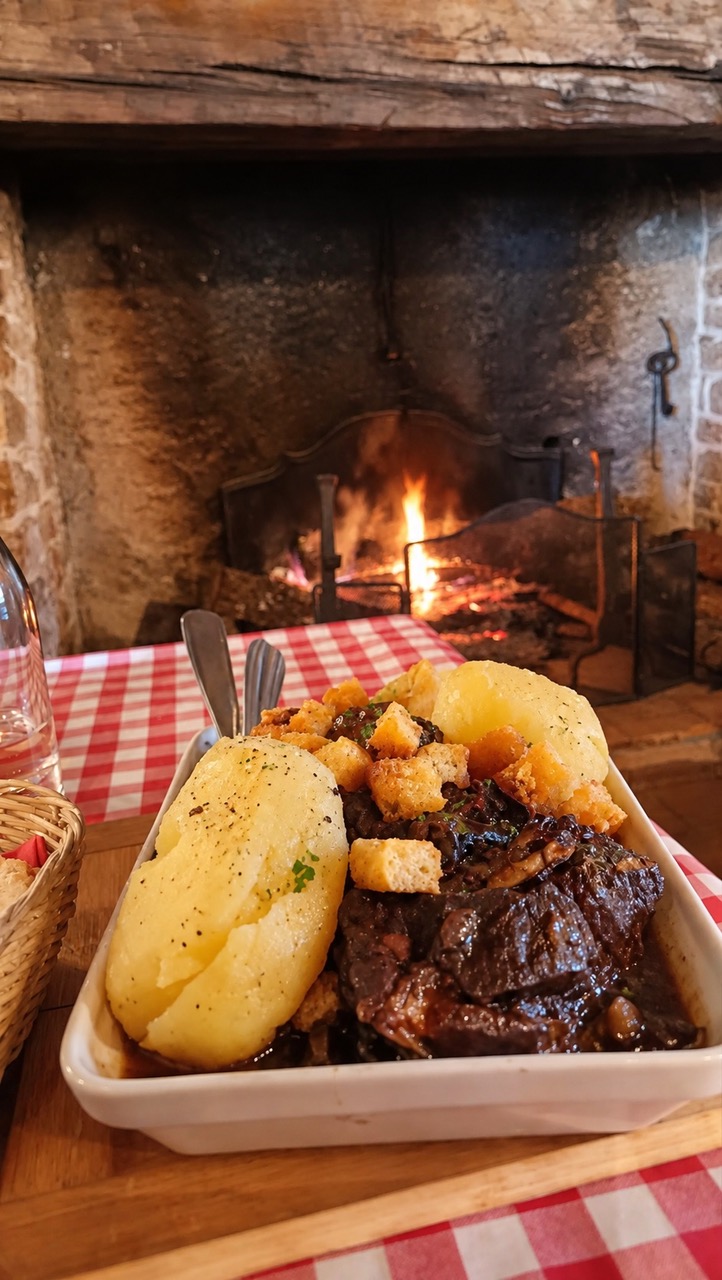
And imagine boiled pork with a yellow sponge floating in the broth. That is mique petit salé: a ball of risen bread poached in broth and served with salt-cured pork. Vegetables—potatoes, carrots, leeks, cabbage, turnips—come with it. It had failed to impress me from my first encounter with it in a guinguette beside a pond in the Dordogne. With all that bread soaked in broth, it is a dish one struggles to finish. Besides, petit salé never fails to remind me of the nursery rhyme that terrified me as a child, about three little boys slaughtered by a cruel butcher and turned into bacon before Saint Nicholas brought them back to life.
Echoes of another age, surfacing only to be pushed back again by the warmth of the hearth. Outside, the Occitan countryside was preparing for the season of frost; inside, at our table beside the fire, time had ceased to press upon us, leaving us free to savor the beginning of our story.
 ← Previous: Those Rare Teams Who Beat Parity in the NFL