
Threads of Time: The Lake Forest Shop and the Women Who Were its Legacy, by Leslie S. Basedow and Kraig W. Moreland, and released last month, intrigues with intimate remembrances, photographs and newspaper clippings describing a shop that emerged in Lake Forest’s Market Square, the nation’s first planned shopping district. Tucked between the grocer and the haberdasher, its first windows featured “tennis skirts with pleated precision, riding gloves of supple leather,” and a sign saying “singles”. A tribute to three generations of female entrepreneurs and tastemakers, the book is masterful social history.
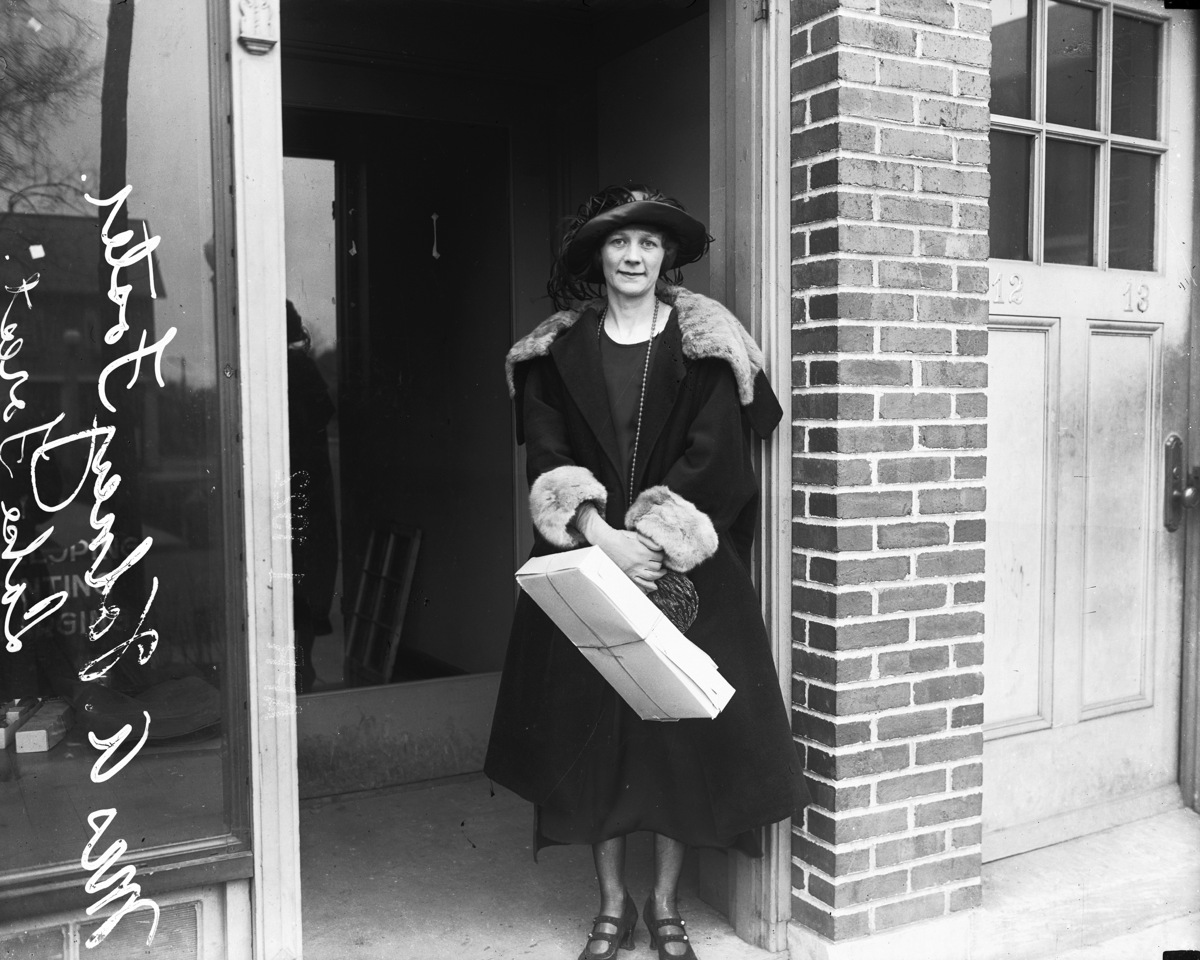
Shaped by the seasons of Lake Forest and the ateliers of Paris, Margaret Baxter Foster came up with the concept of “singles”—stylish standalone pieces—which were to define the elegant lives of Lake Forest’s modern woman of 1922 who discovered in The Lake Forest Shop not only a retail store but as its authors say “a gathering place, a whisper of change and a tribute to the emerging identity of women in sport.”
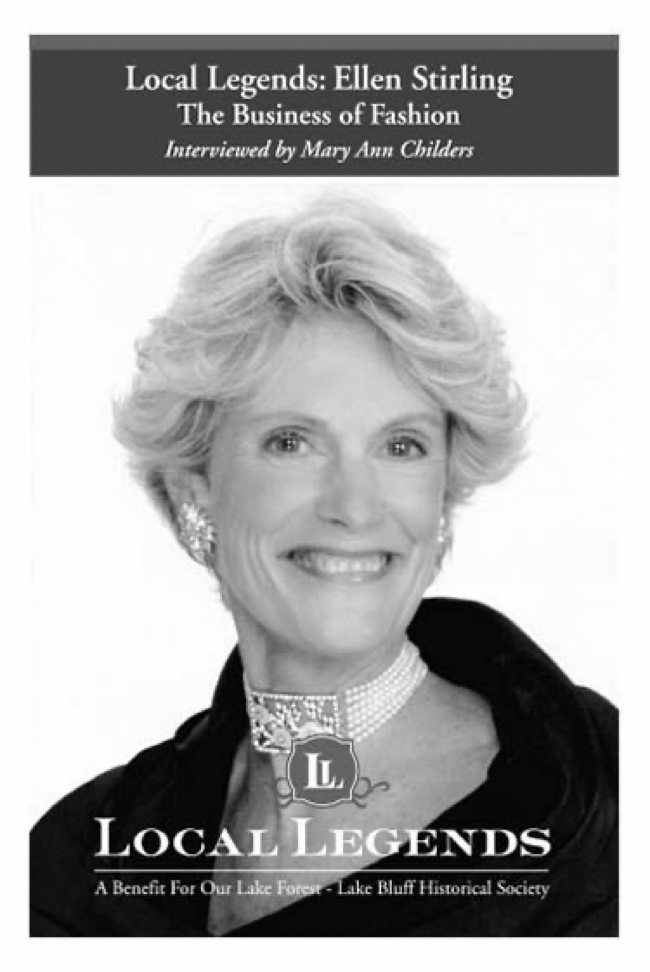
Leslie Basedow, daughter of Ellen Stirling who took the store into a magnificent 100th anniversary celebration, recalled for us that her great grandmother founded the shop at a time when women had just won the vote but couldn’t have their own bank accounts or serve on juries. “She didn’t feel that she had to ask permission from men and once wrote a letter to the mayor stating that women business owners should be treated as male owners were,” Basedow said.
Legend has it that Margaret’s husband Volney had suggested that she clean out her closets which had grown to rival a department store. She took it as an opportunity open what she called The Lake Forest Sports Shop. Her daughter Adair Foster expanded The Lake Forest Sports Shops. Ellen Stirling’s father urged his daughter to take on the business.
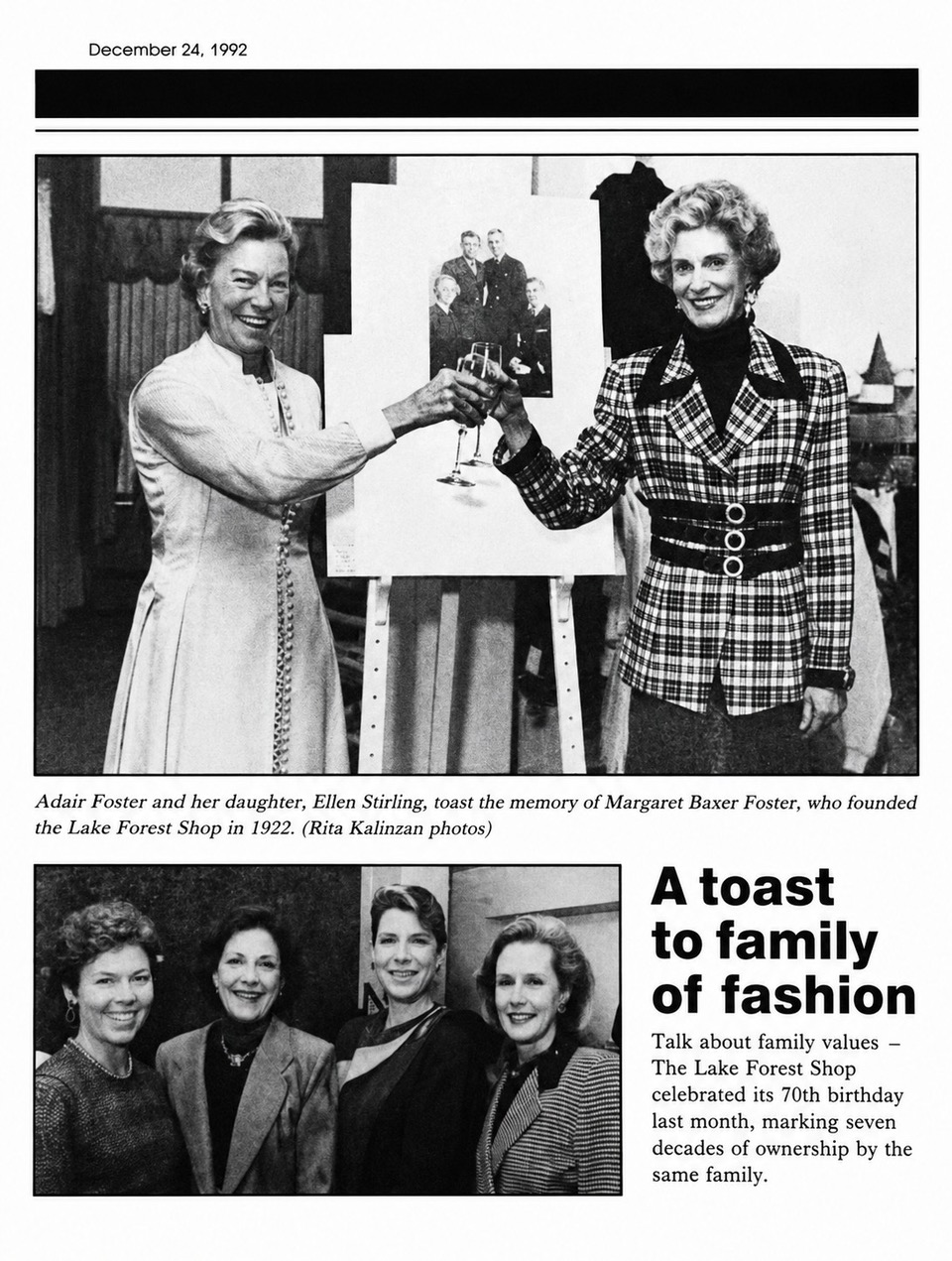
“When Mom took over in the 1980s, the business was almost $1 million in debt. She made difficult decisions, including asking family friends to pay their bills. That is the side of a family business most people never see: the courage and discipline behind the welcoming storefront,” Leslie Basedow said.
Basedow’s childhood memories at the store provide poignancy.
“My earliest memories of the shop are from the back room—unpacking boxes, tagging clothes, and listening to the phone ring. Customers and vendors were always asking for my mom: “May I speak with Ellen Stirling?” I would hear her name again and again and secretly beam with pride: I still do. I remember that when we were very little my friend Elspeth Norton and I would always play dress shop people.”
“I also remember my parents building the business together. On weekends, they would sit down over the P&L and talk about growth. Even as a child, I knew I was watching two people who trusted and challenged each other while building something that mattered to our family and community.”
“That determination defined my mother. When she was diagnosed with a rare cancer in 2017 and given two or three years to live, she did what she had always done: she kept moving forward, determined to see the shop reach its centennial. She died eight weeks later.”
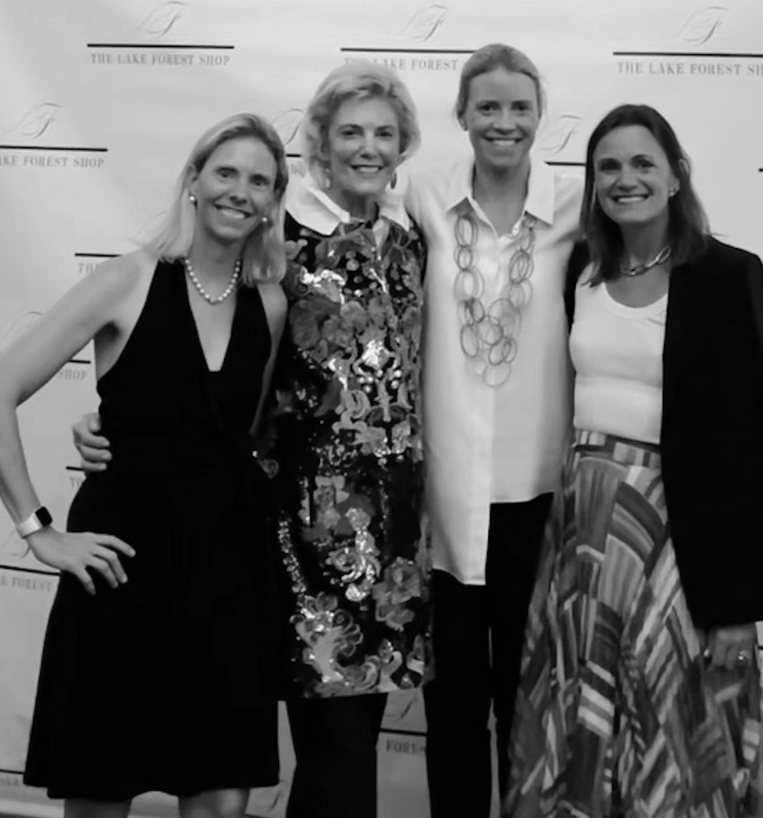
The book opens with a letter from Ellen’s three daughters, Ginevra, Leslie and Aleca, and details their female forebears whose famous shop attracted some of the Midwest’s most glamorous and philanthropic women. “She had a rare gift for making every person feel truly seen and valued. Her genuine curiosity and kindness drew people in, while her resilience lifted them higher,” Basedow said.
We asked Basedow how she made the decision to write the book:
“The book began with a discovery. Nicole called to say Mom had left some memorabilia. I expected to pick up a few things. I knew that Adair had kept scrapbooks. Then I saw the collection—and had to call my husband to bring the pickup truck.”
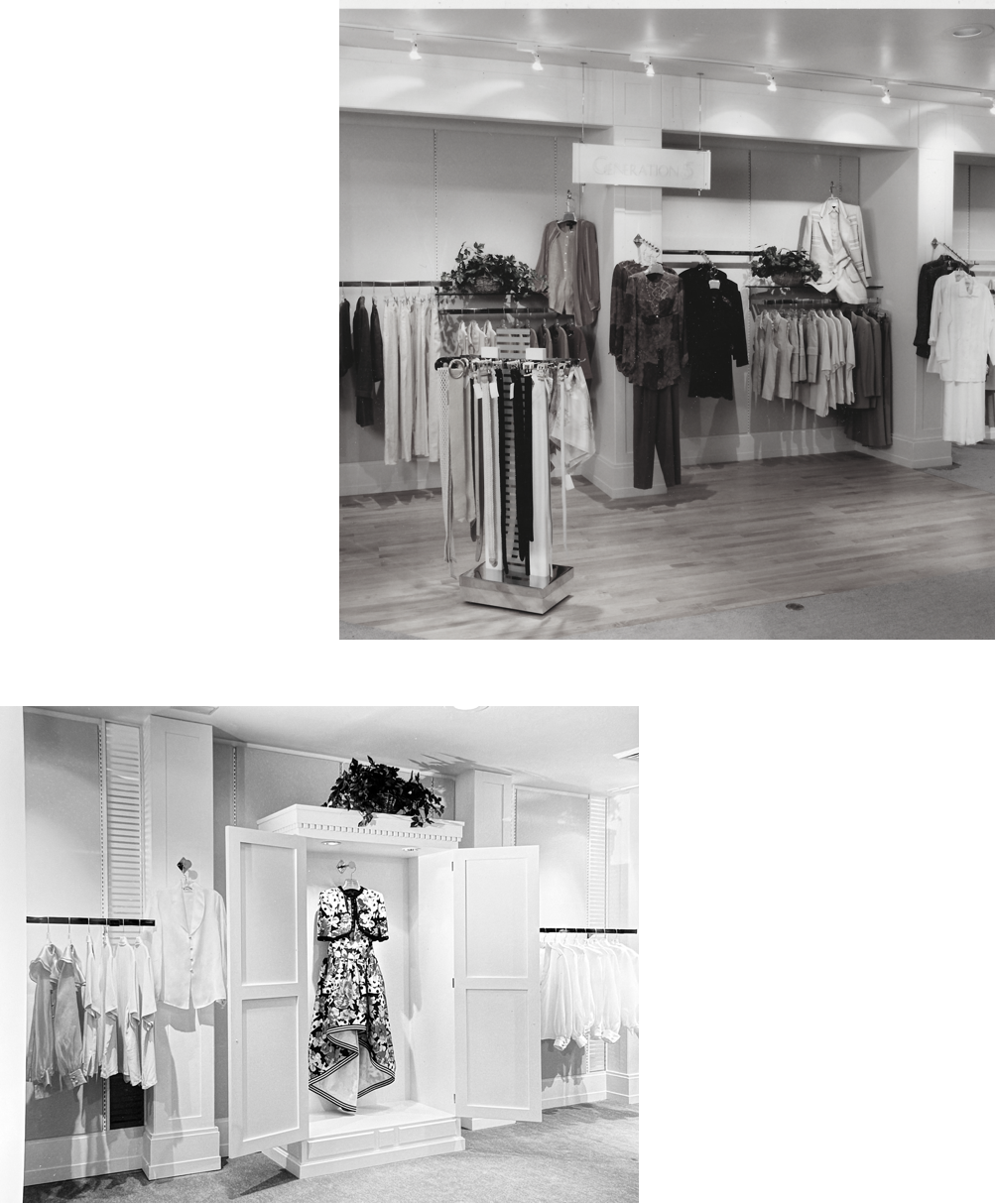
“As I sorted through the photographs, documents, and keepsakes, I realized I was looking at a century of memory. The full story of the shop—from its founding to its centennial—had never really been told. So I called Kraig Moreland.”
Moreland, the author of The Furnace Girl about a Lake Bluff 1928 unsolved murder and an expert at layout and design, had gotten to know Basedow through his other work, leading a popular sports league for children 12-15 called New Vision Athletics.
As an entrepreneur himself, Moreland noted:
“Over 90 percent of small businesses close after one to three years. Ellen was like a Steve Jobs when she took over, realizing that she would have to close the other fledgling shops and concentrate on the flagship. She ran the business with a lean and mean necessity at that time but held her staff always in the highest regard. She didn’t need to work but it meant so much to her and she was always in the trenches with her staff.”
“She knew that the trunk shows and fashions shows were great ways to reach out and show service. She was like a P.T. Barnum. She knew how to work with designers and always how to produce the wow factor.”
Basedow described how the book grew:
“At first, we imagined a Christmas gift for my family. But the project became something larger: a way to preserve this community’s history. I brought the memories from inside; Kraig brought the archivist’s eye. Together, we connected documented history with the history people carry in their hearts.”
“My mother cared so deeply about her family and put so much energy into our lives together. I remember seeing her arriving just in time at my school parking lot to get me, always listening and being so thoughtful. She formed deep relationships with the staff such as her seamstress Lidia Schiavo with whom she worked for so many years.”
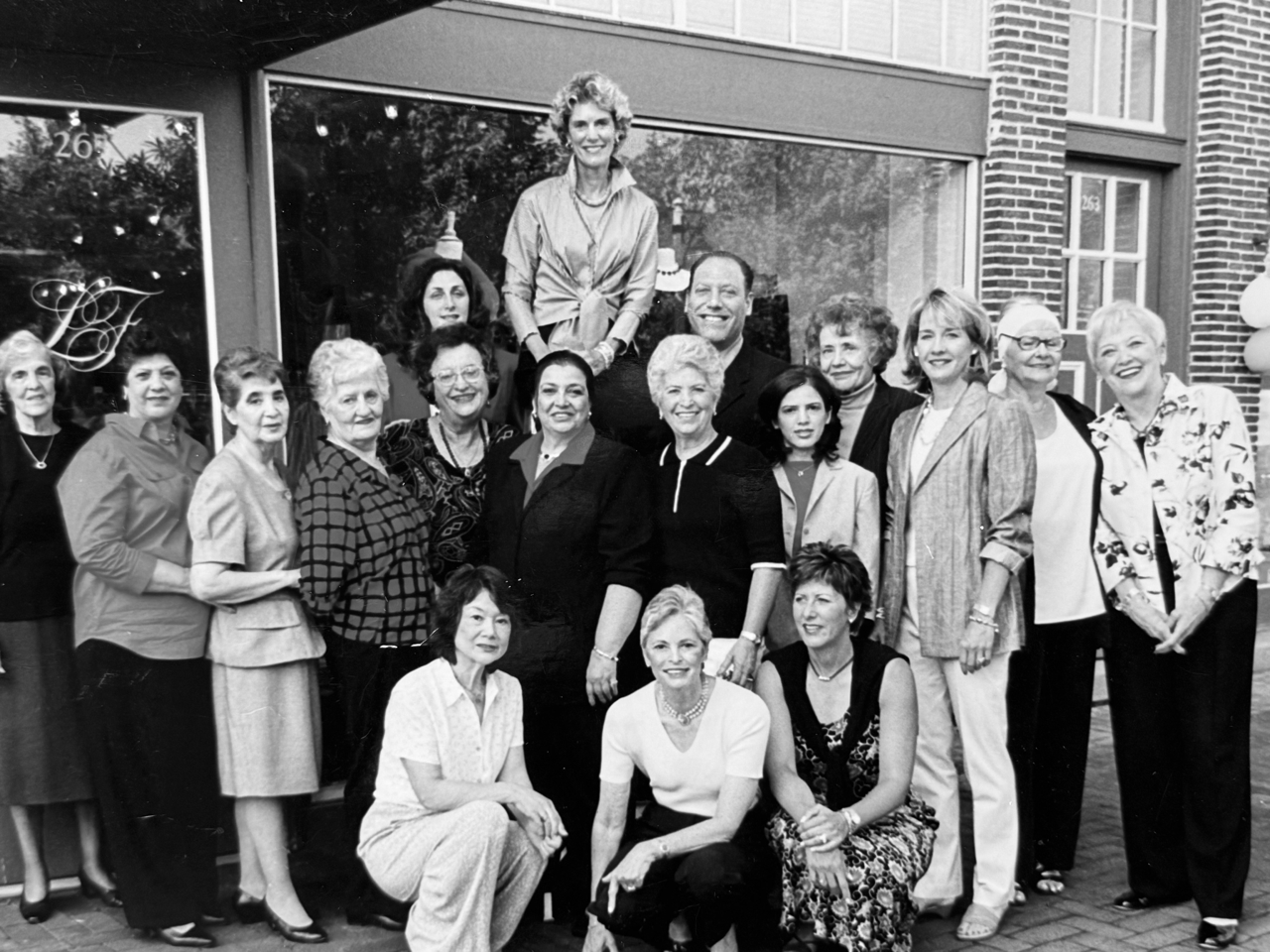
“Community was central to my mother’s life. Through Shop Your Cause, she supported organizations including Lake Forest Open Lands, Gorton Community Center, and Mother’s Trust. It felt right that proceeds from this book support Lake Forest Open Lands, a place with deep ties to our family and Mom’s heart.”
“My mother was always so inspiring and my sisters and I always called her for fashion advice. I remember her telling me for an important job interview to pick the pink blazer. She was absolutely right.”
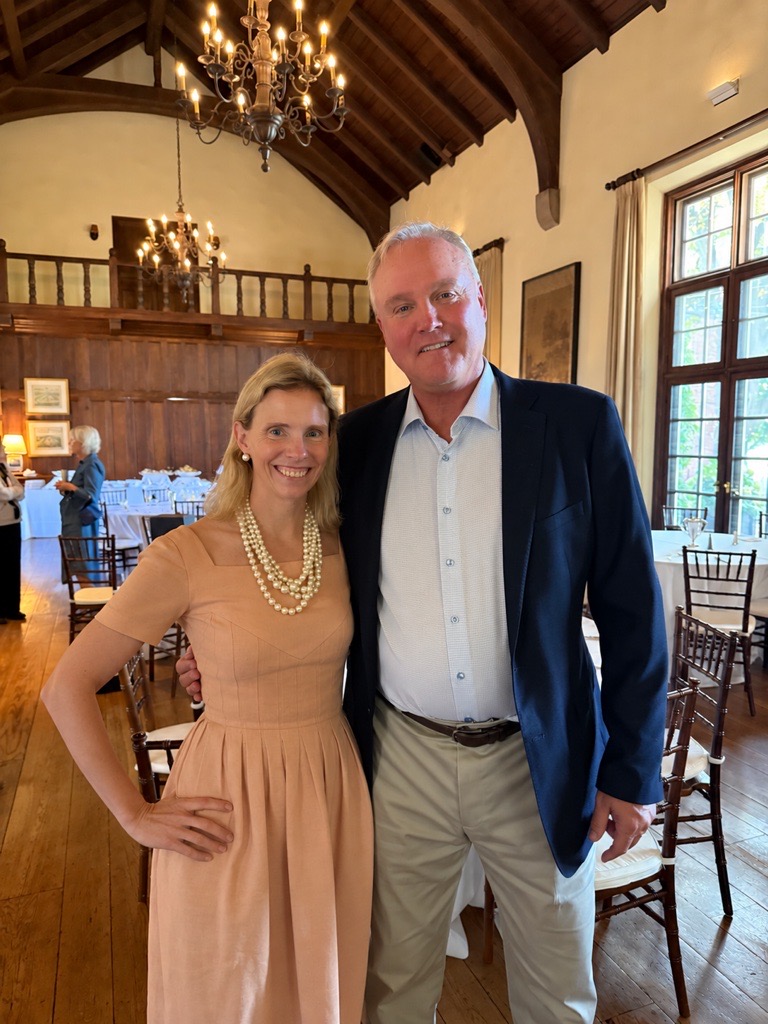
With the end of the Stirling family’s three women legacy, Nicole Carrabine assumed ownership of The Lake Forest Shop in 2023, becoming the fourth female leader and continuing its story in Market Square.
Proceeds from the sale of Threads of Time go to Lake Forest Open Lands and can be found on Amazon and through Lake Forest Open Lands.
 Next: Between Lake Michigan and the Seine: Asha Iman Veal’s Chicago-Paris Life →