
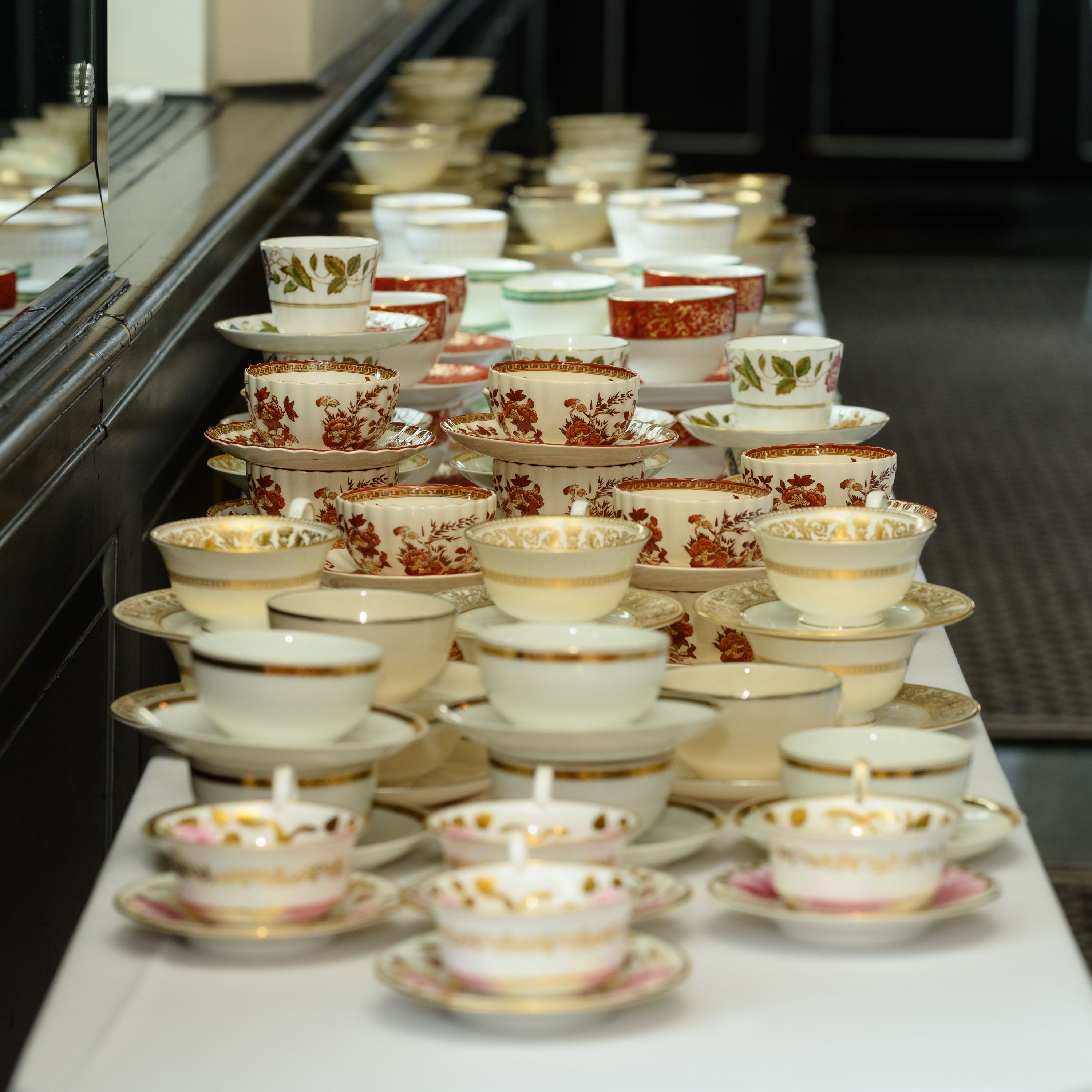
“The Antiquarian Society pre-dates the establishment of the Art Institute of Chicago and was instrumental in developing the AIC collections in the early years, particularly in the area of decorative arts. Throughout its 150-year history, the Society has gifted countless important and exquisite objects and has fostered interest in and support for the decorative arts through lectures, workshops, and events.”—Liz Adams, President of the Antiquarian Society soon to celebrate its 150th Anniversary.
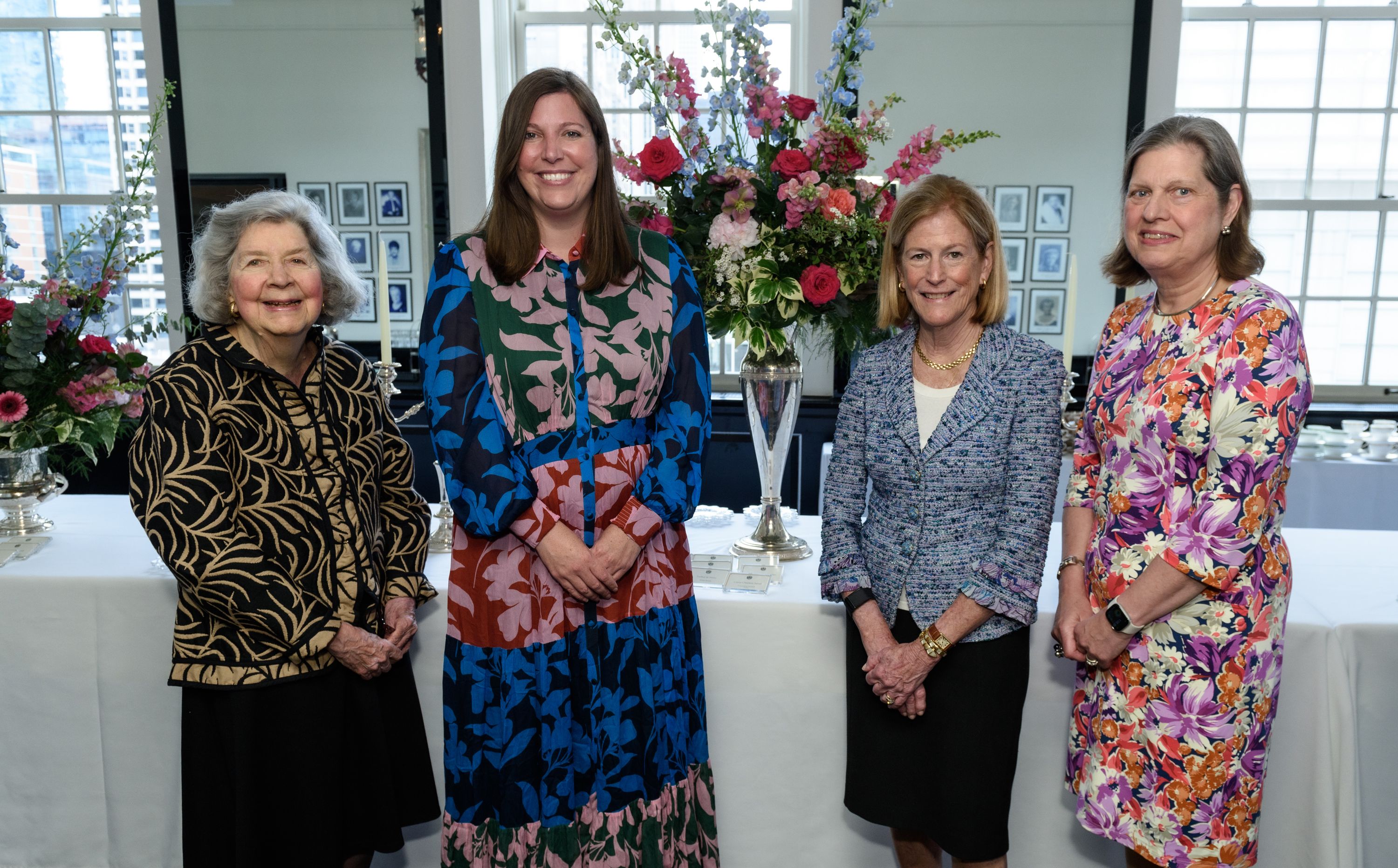
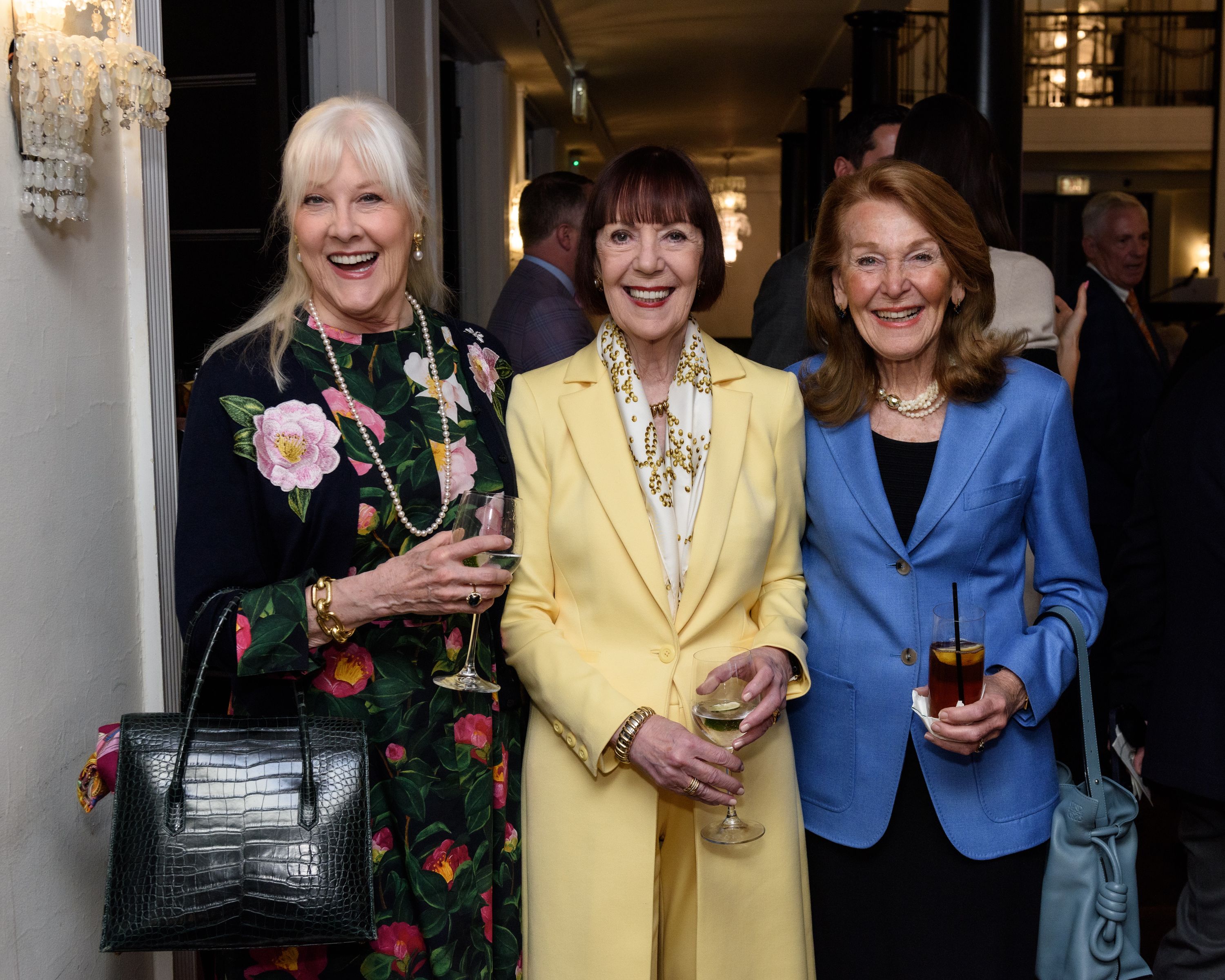
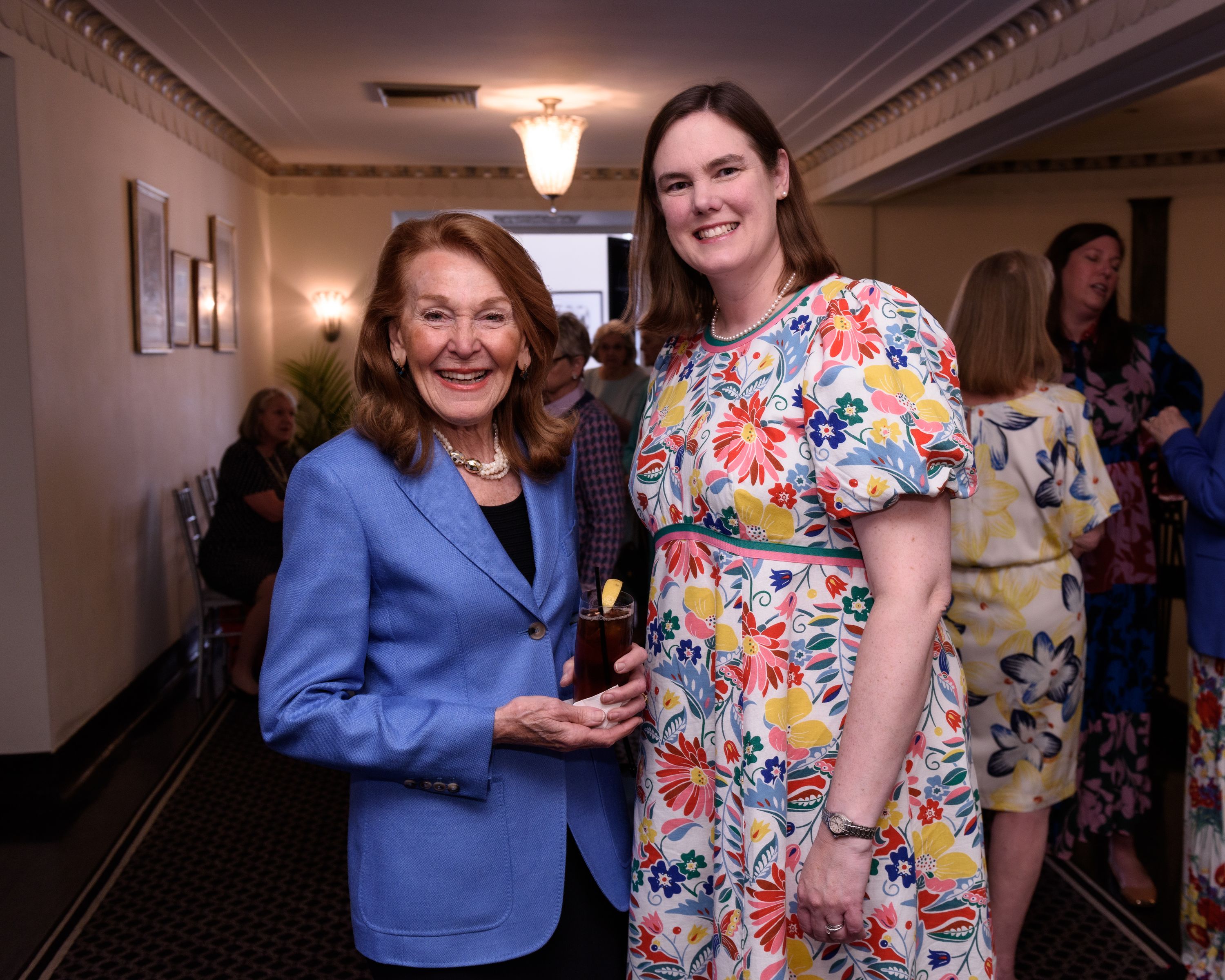
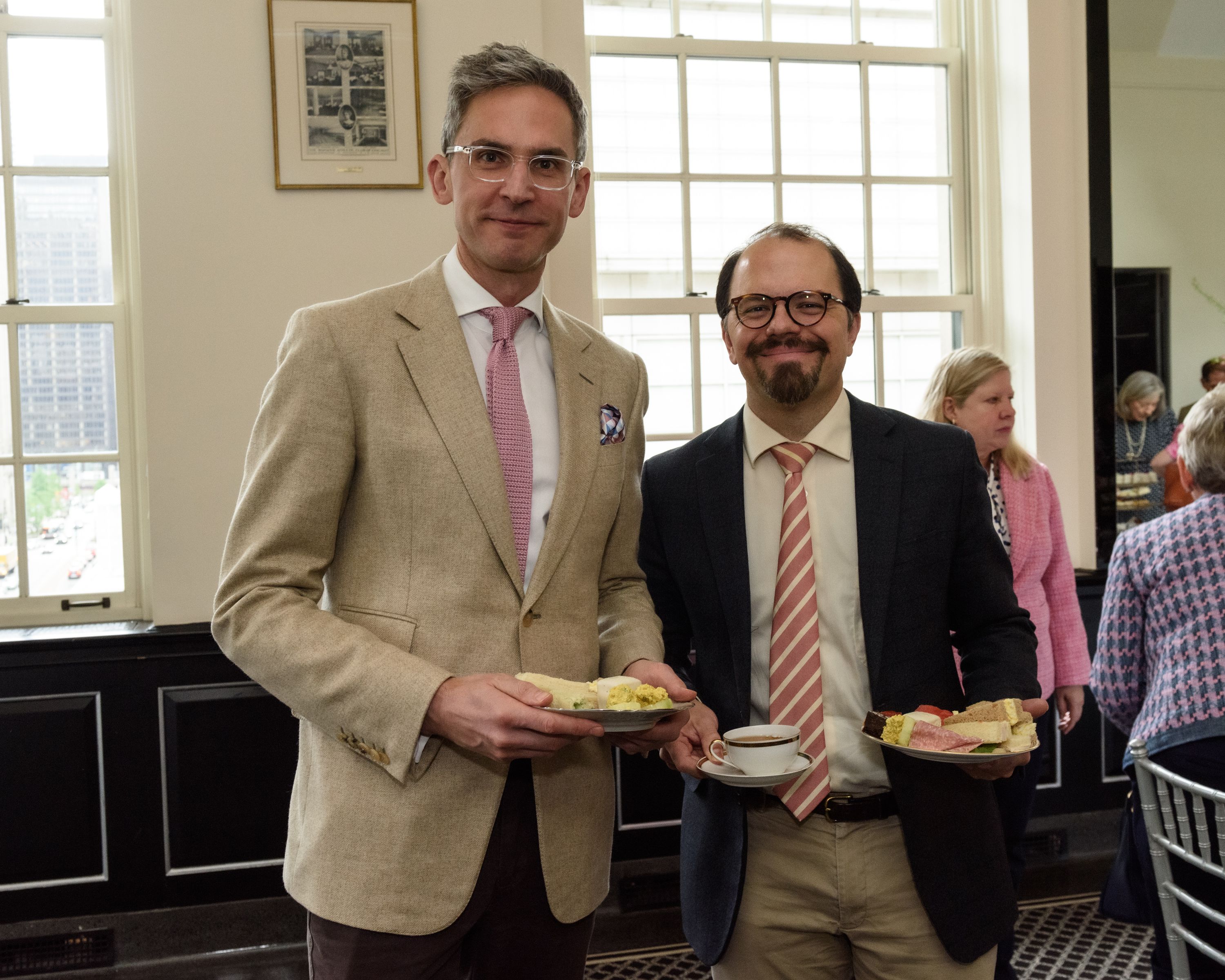
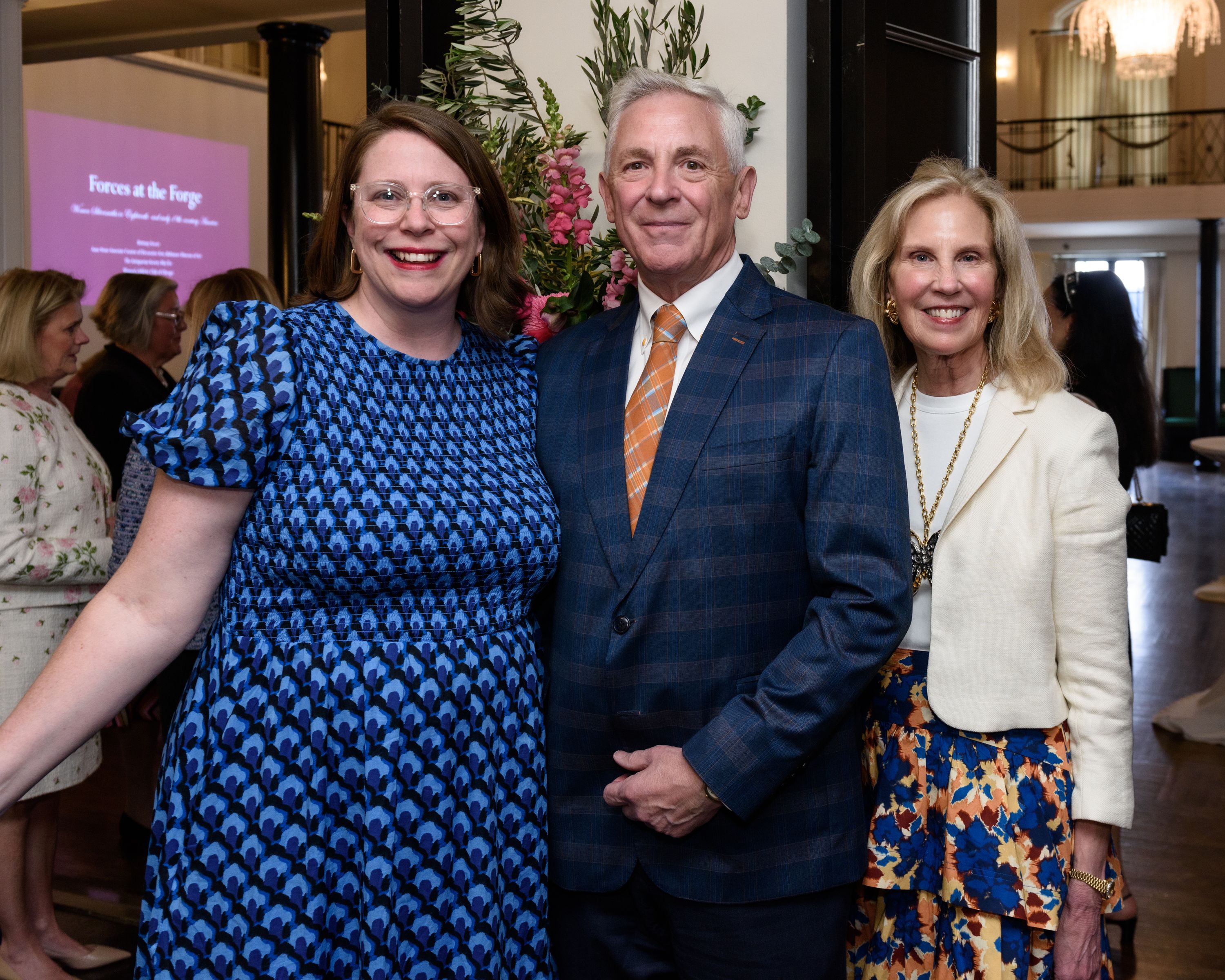
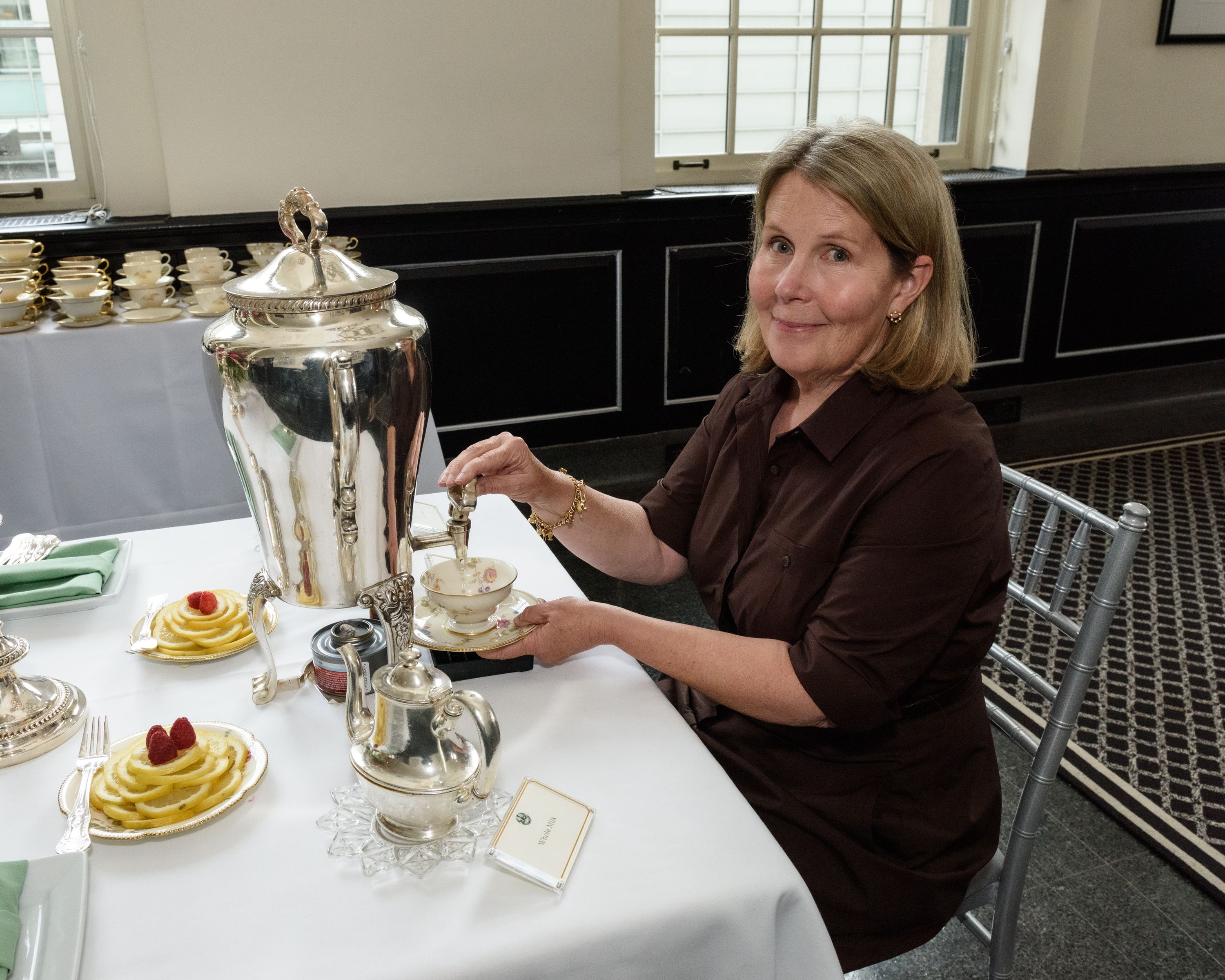
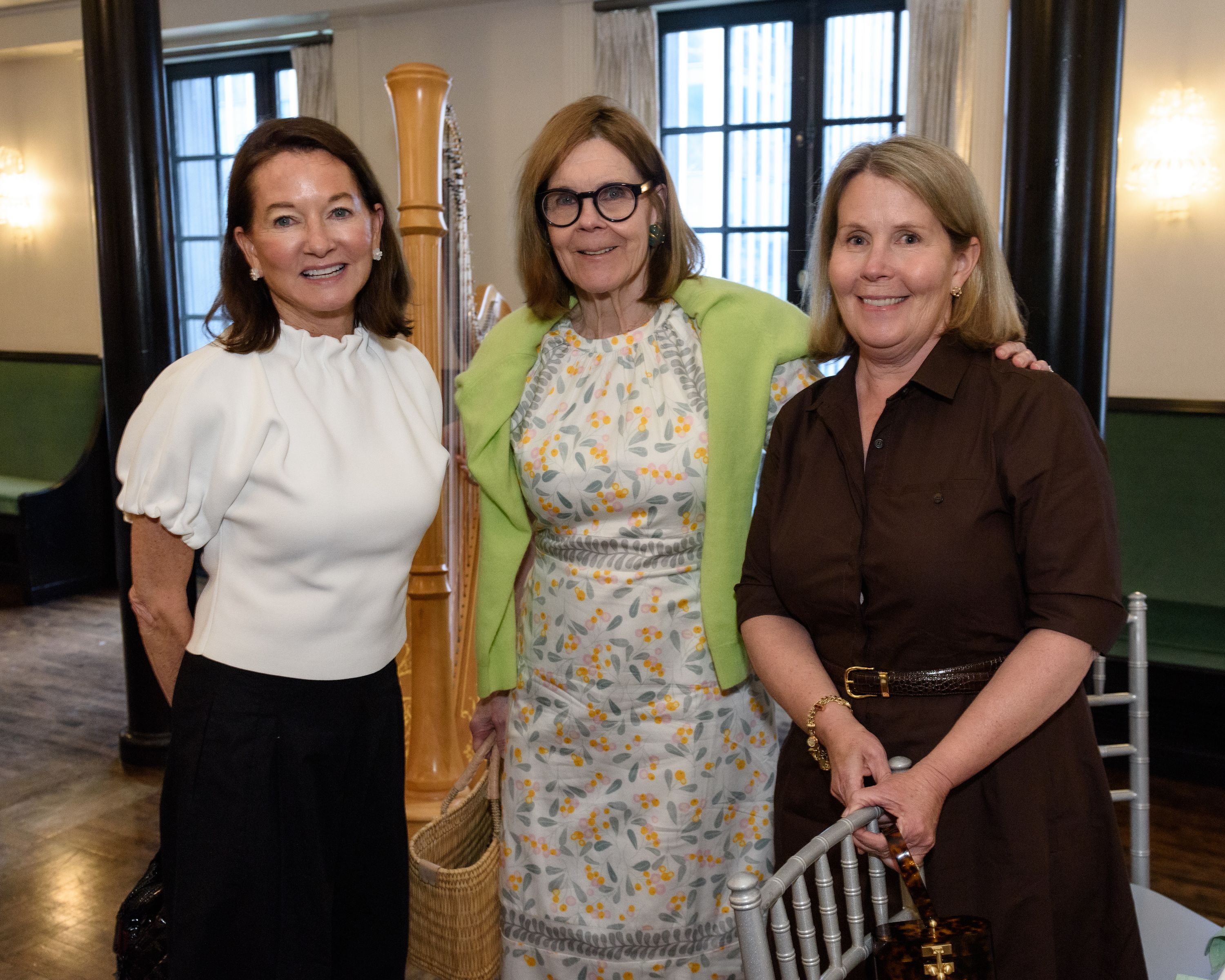
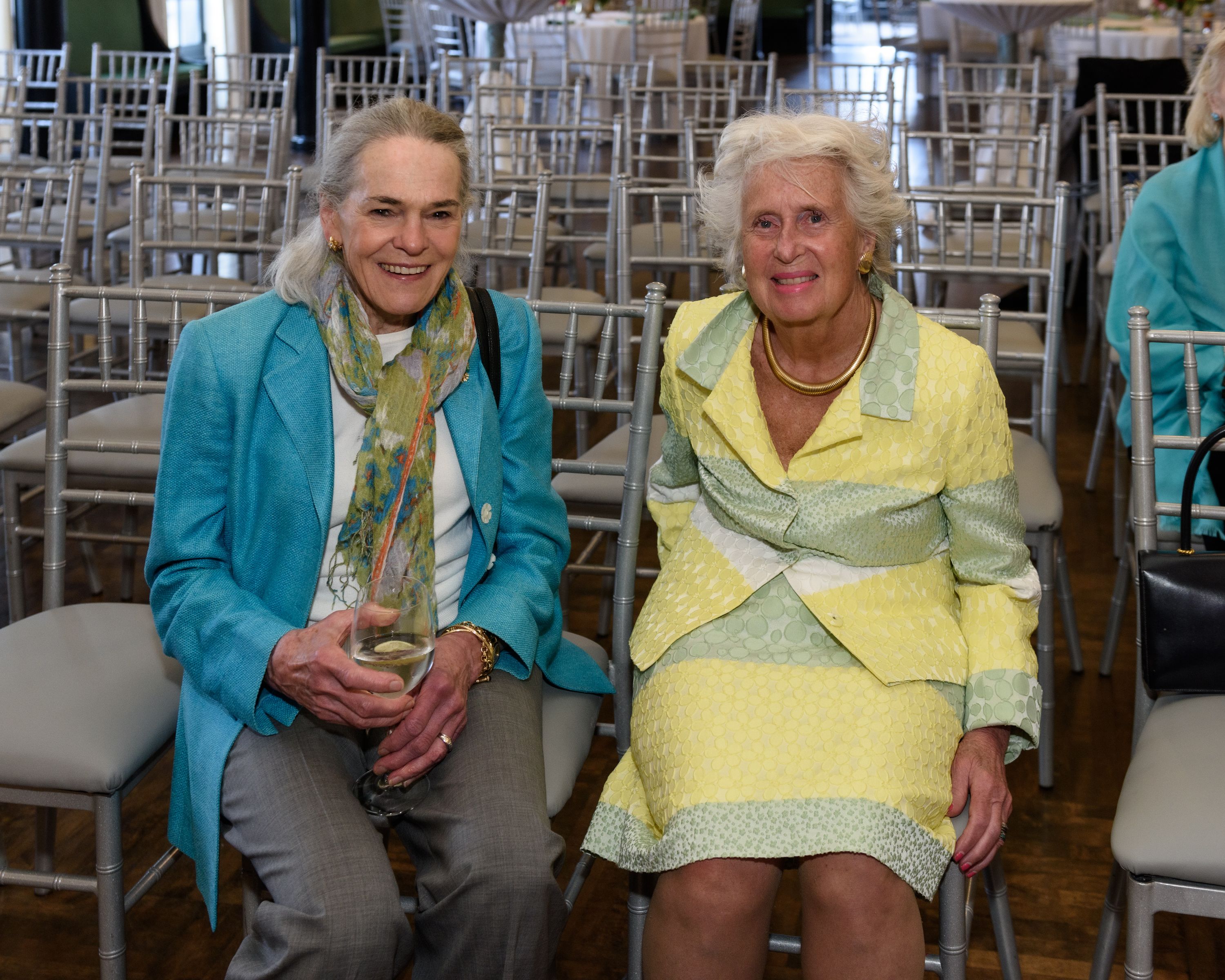
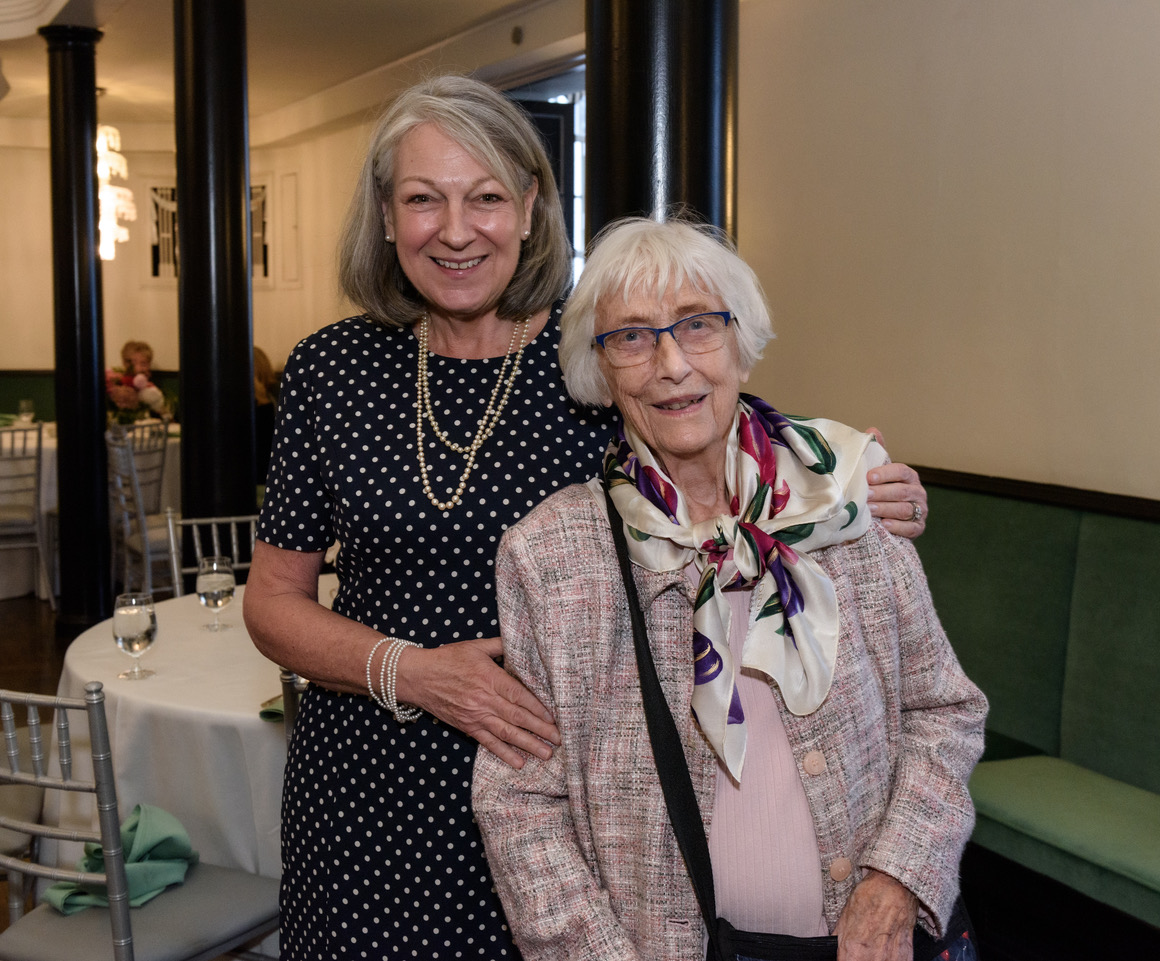
Almost from its 1877 beginnings, New Year’s Day and later in the 1940s May teas have brought together members of the Antiquarian Society to showcase its commitment to bringing works of fine arts to the public to be displayed at the Art Institute of Chicago. In addition to featuring photographs from this year’s May Tea, we are delighted to share historical notes of the organization which will celebrate its 150th anniversary next year with an extraordinary gift to the Art Institute. A magnificent rococo five-light silvered bronze chandelier will anchor the newly installed Eloise W. Martin Galleries, named in honor of one of its past presidents and legendary philanthropists.
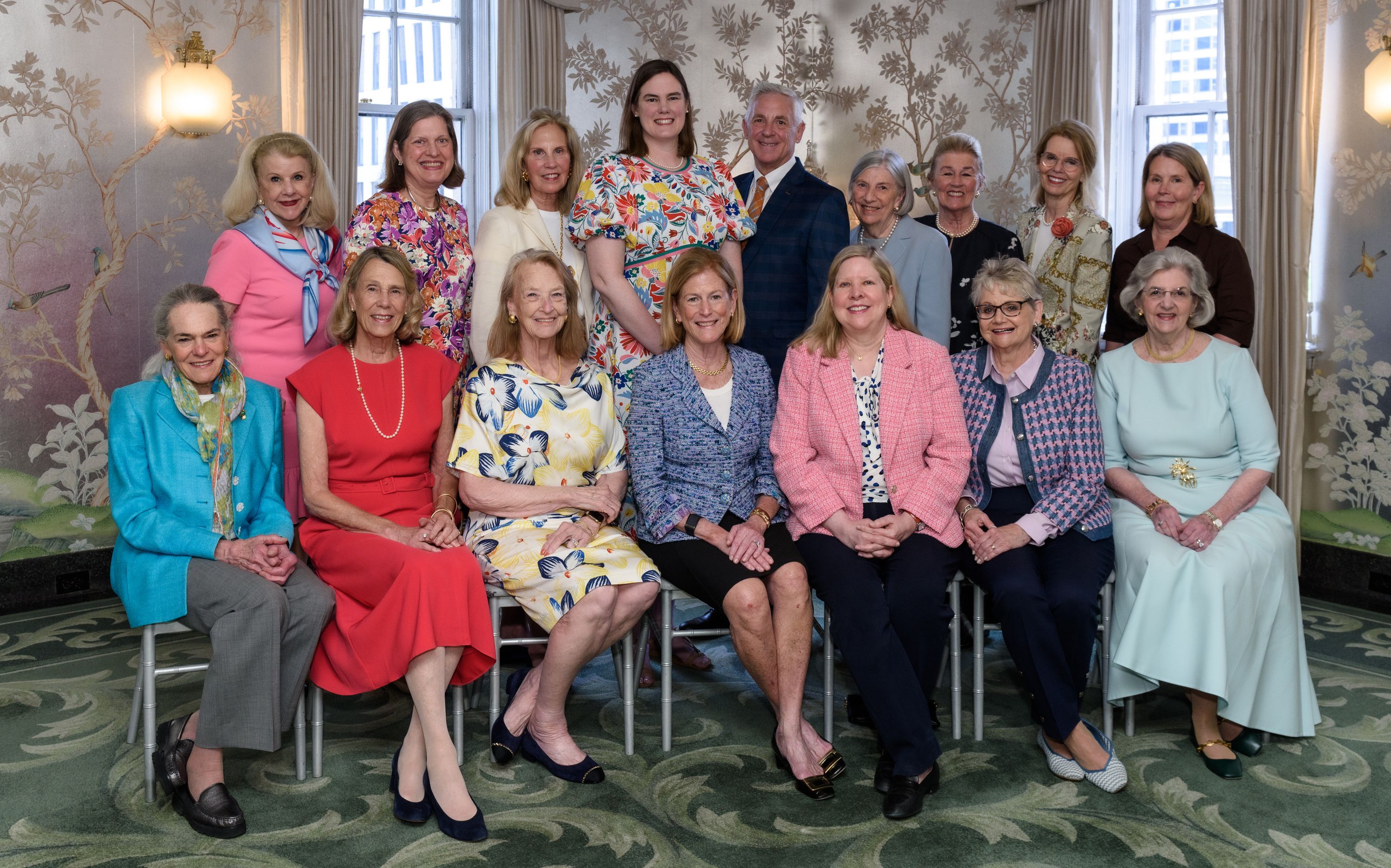
An independent organization of women and men committed to the celebration and support of the applied arts of Europe and the Americas, its generosity to the Art Institute is legendary. One needs to only walk up the central stairway at the Art Institute to see a monumental gift from the Society: the luminous Harwell Memorial window designed in 1917 by Agnes F. Northrop for Tiffany Studios and then walk into the Eloise W. Martin Galleries filled with more than 300 stunning objects including furniture, silver, ceramics and glass.
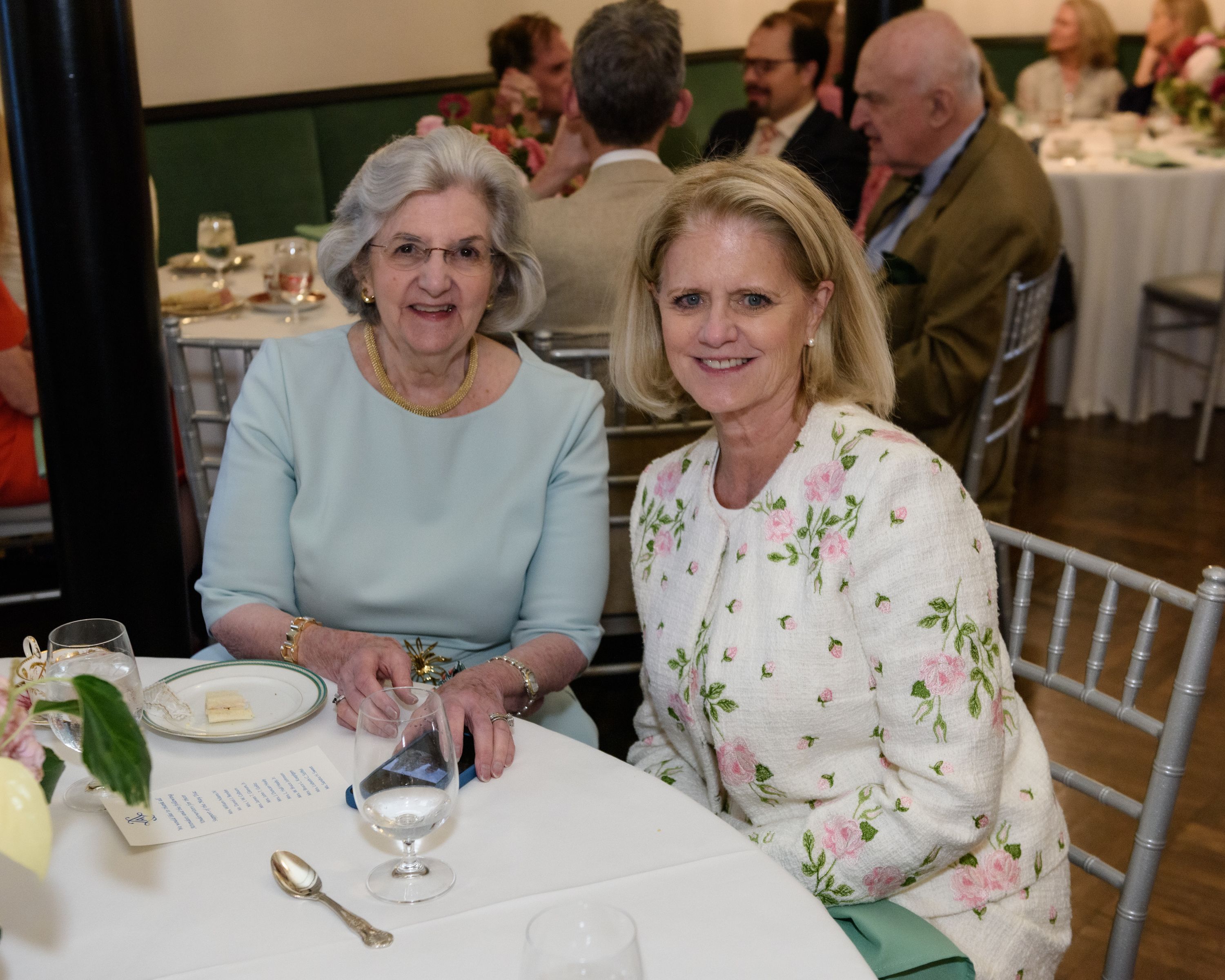
Antiquarian historian and noted Chicago author and writer Celia Hilliard is the author of an Antiquarian history now in process which will be released in 2028. The richly illustrated book will be distributed at the May Tea in 2028 and will detail 150 objects for the 150th anniversary of Antiquarian gifts as described by Art Institute curators. The book’s publication is underwritten by the Antiquarian’s late past president Laurie Bay.
Celia Hilliard has written how the Antiquarians began.
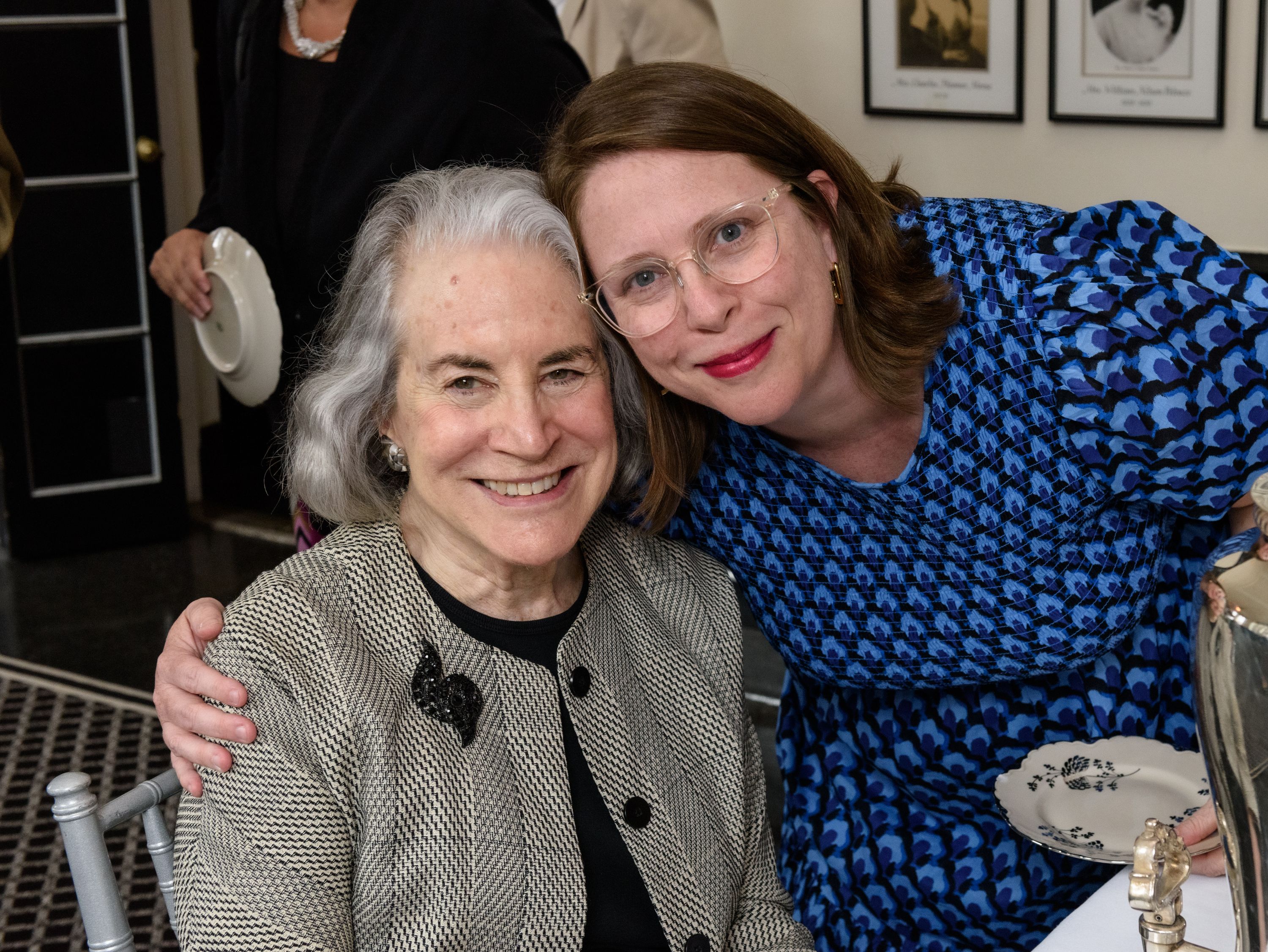
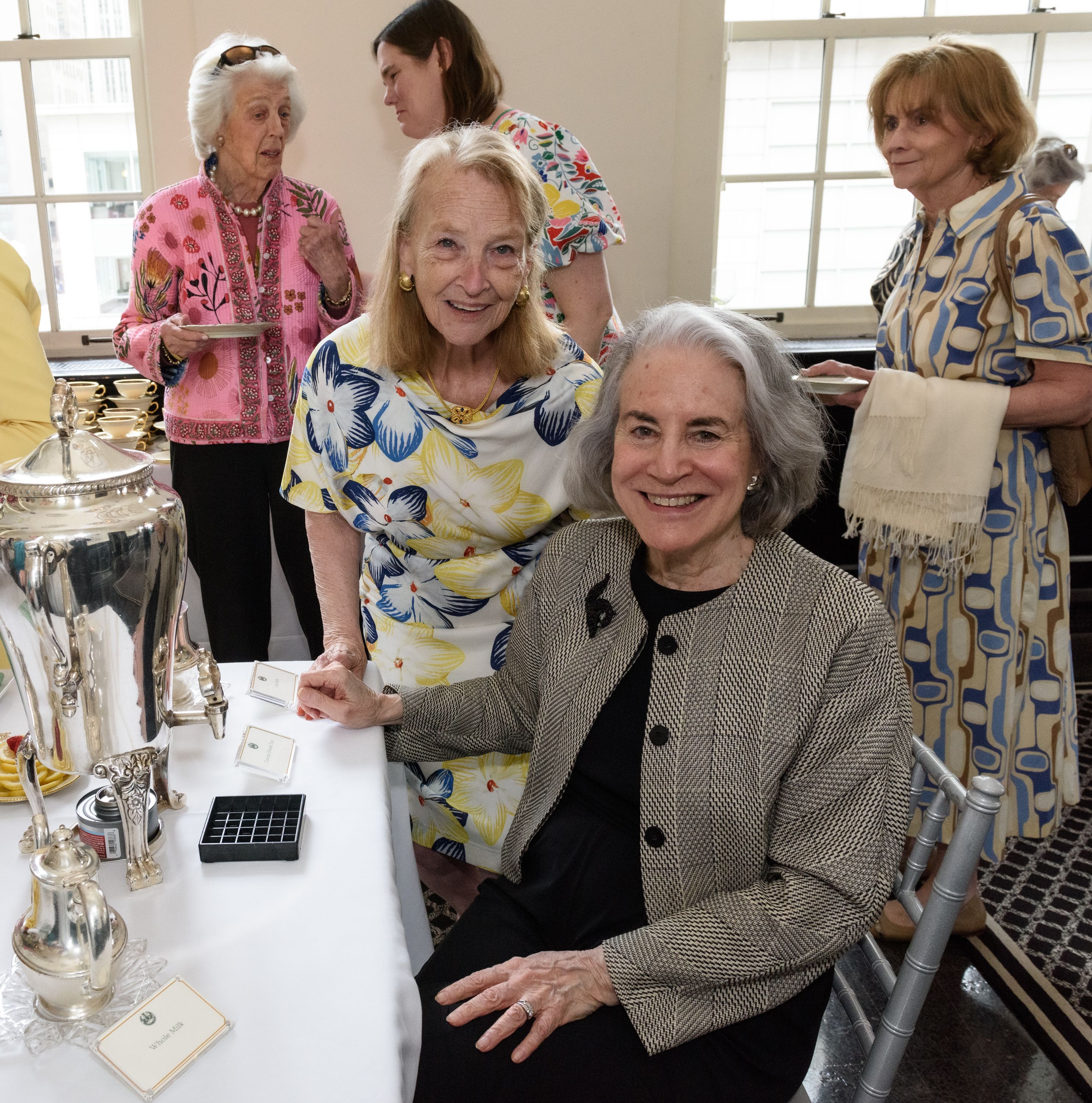
“Founded in 1877 by Mrs. J. Young Scammon as the Chicago Society of Decorative Art with an altruistic emphasis from the beginning. It offered classes in painting, drawing and needlework to help women become self-supportive and in addition sought to raise the level of aesthetic taste in the city. Due to its prominence and mission, the organization was invited to occupy rooms at the Art Institute. In 1891, its board voted to adopt a new mission: to become a collecting institution. They sold the inventory from the organization’s collections to be presented to the Art Institute for the purchase of decorative arts. In 1894 the name was changed to the Antiquarians. The World’s Fair of 1893 had given a collecting opportunity to a membership of about 150 women, many of whom were seasoned travelers looking for decorative arts around the world.”
Hilliard shared a long-ago newspaper drawing of an 1897 tea.
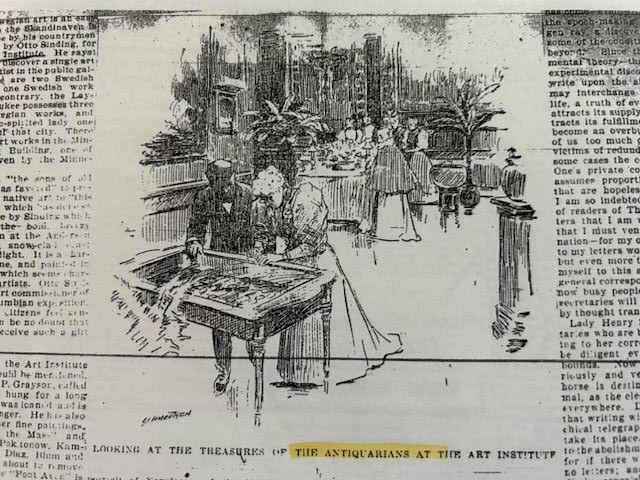
“This occasion was typical of the New Year’s Day teas the Antiquarian Society held for many years just before and after the turn of the last century. Every newspaper in the city carried an account of these affairs, with lists not only of the objects on display but also of the members in attendance and descriptions of their clothes, carriages, and conversation.”
“Often the story included a sketch such as this one of people roaming the galleries and studying the cases. At that time members’ gifts already included such items as old tapestries, beautiful laces, furniture, fans, ceramics, metalwork, and antique jewelry.
“The main attraction at this tea in 1897 was a major loan collection of Napoleana, which included several portraits--paintings, busts, and miniatures--objects owned by Napoleon, documents with his signature, a lock of his hair, and objects retrieved from the battlefield at Waterloo.
Celia Hilliard noted another very special Antiquarians tea:
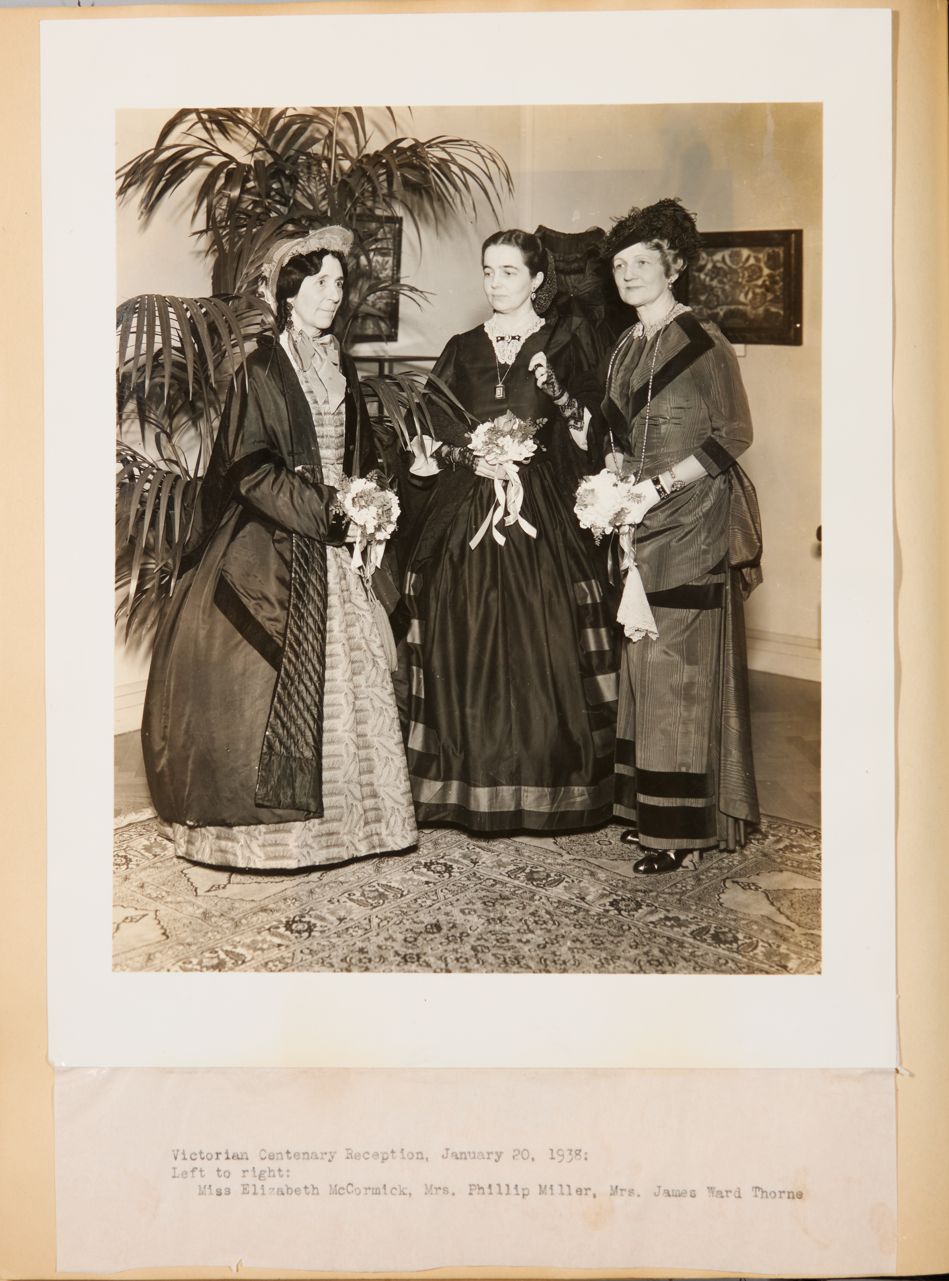
“On January 20, 1938 the Antiquarian Society held a tea, organized by Mrs. James Ward Thorne, to celebrate the centenary of Queen Victoria’s ascension to the throne. Already well known for her enchanting and exquisitely assembled miniature rooms (some of which had been on display at the 1933 Century of Progress Exposition in Chicago), Mrs. Thorne proposed the exhibition of three life-size period rooms of the Victorian era.
“The first was an American Victorian parlor featuring a rare rosewood suite by the New York cabinetmaker John Henry Belter. The second was an English Victorian dining room complete with sideboards set with pastry meat pies, each surmounted by a colorful pheasant. The third was a French-influenced bedroom with a suite of black papier-mache furniture inlaid with mother-of-pearl and painted with gilt scrolls, flowers, and birds. This exhibition was so novel that accounts of it appeared in newspapers all over the country.
“One newspaper columnist wrote, ‘Of one thing you may be sure. The costumes you see at the Antiquarians’ are authentic, to the last ruffle and brooch.’
“The tea table that day was groaning under large slices of pound cake, whole fresh strawberries, candied rose leaves, and marzipan tea cakes.
“Among the guests at this party were Helen Hayes, then starring in a production of Victoria Regina at the Erlanger Theater, and Colleen Moore, who had recently finished the creation of her own miniature Fairy Castle, which she eventually gifted to the Museum of Science and Industry in 1949.”
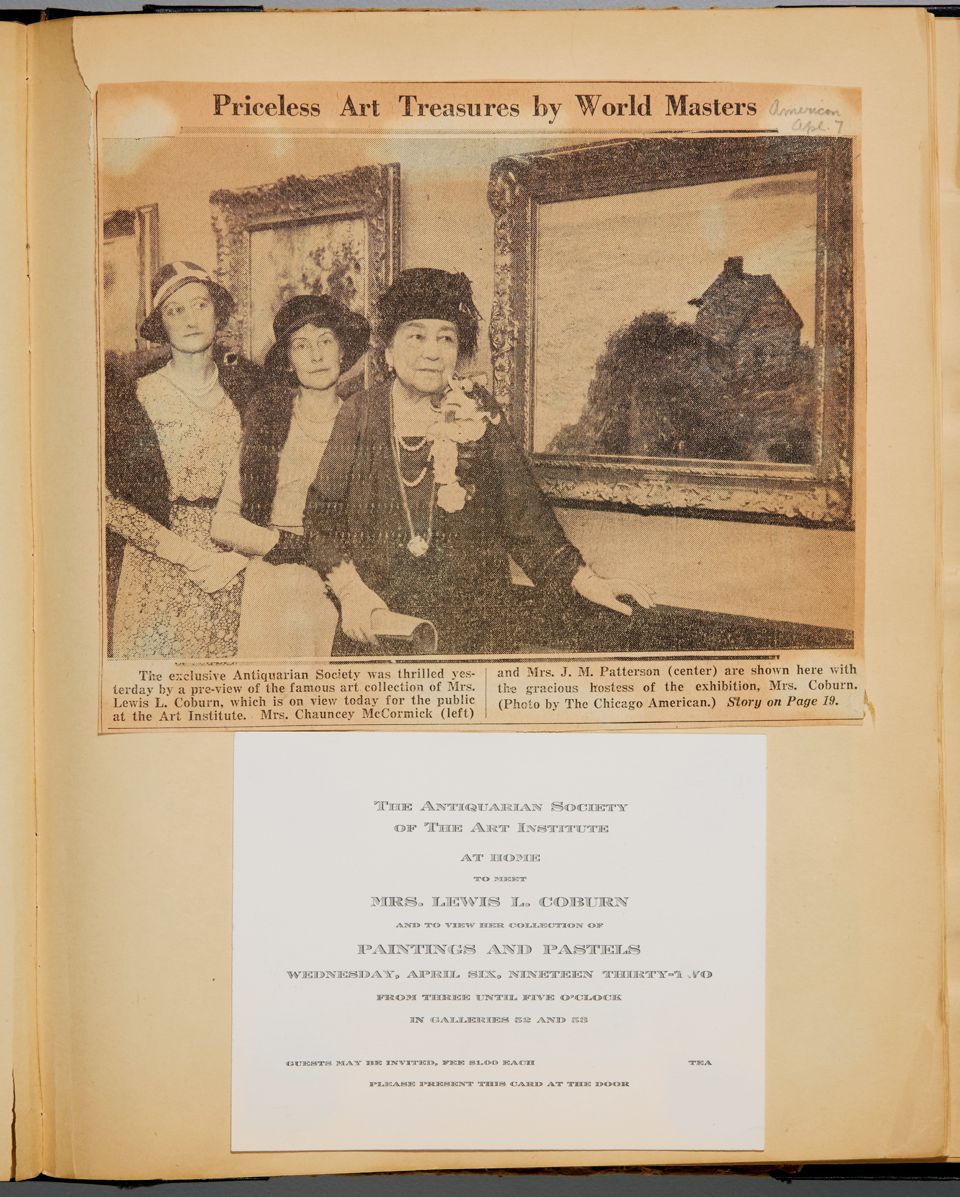
Hilliard described the event:
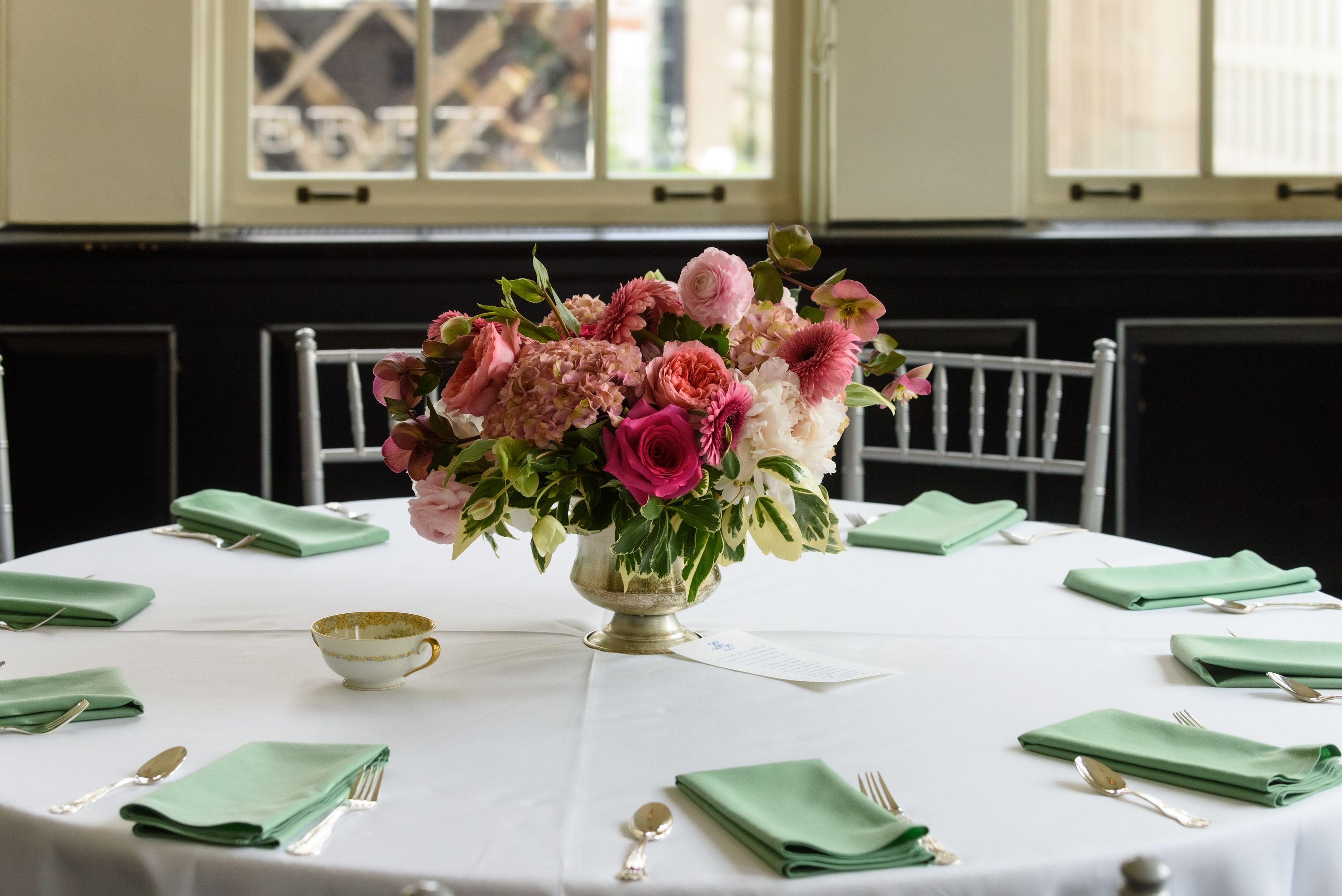
“In attendance were 160 Antiquarians, several trustees including the august Martin Ryerson, and fellow collector Kate Buckingham. Mrs. Coburn was showered with accolades for her extraordinary taste and judgment, and she seemed genuinely pleased, even overwhelmed by this outpouring of warmth and appreciation. The tea table was covered that day with masses of roses of every color and size (“à la Renoir”) and set with pieces from Edith Rockefeller McCormick’s famous Napoleon Borghese silver gilt dinner service.
“This eminently successful occasion was the last time Mrs. Coburn left her apartment at the Blackstone. She died a few months later (on June 1), gifting her priceless collection to the museum. By all accounts the Antiquarians’ splendid reception helped to ensure her final intentions.
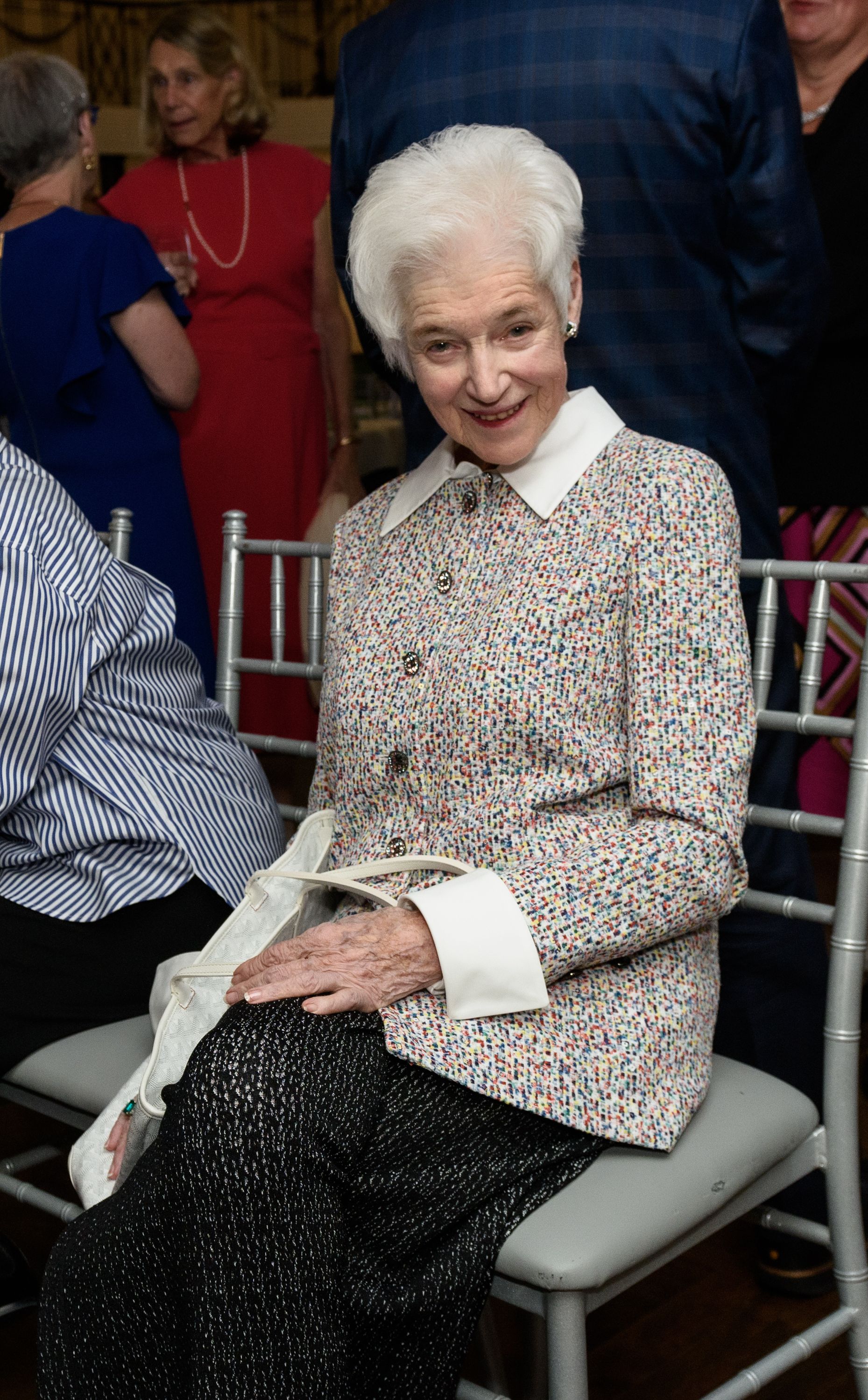
The May Teas always feature fascinating speakers, opportunities to converse with Art Institute curators and to celebrate new traditions and donations as the Antiquarians look forever forward to its 150th anniversary and well beyond.
 Next: Book Remembers the Inimitable John Madden →