Long before modern road signs, map apps, or paved interstates crisscrossed North America, indigenous peoples utilized an intricate network of pathways to navigate the landscape. To guide travelers safely along these routes and to direct them toward vital resources like fresh water, medicinal plants, or safe river crossings. Native Americans shaped young, flexible hardwood saplings (most commonly oaks) into distinct horizontal and angular forms. By carefully tying, weighting, or staking them while young, these trees were permanently altered as they grew. Historians and researchers refer to these historic landmarks as Trail Marker Trees or "Indian trail trees," serving as the ancient highways signs and directional markers.
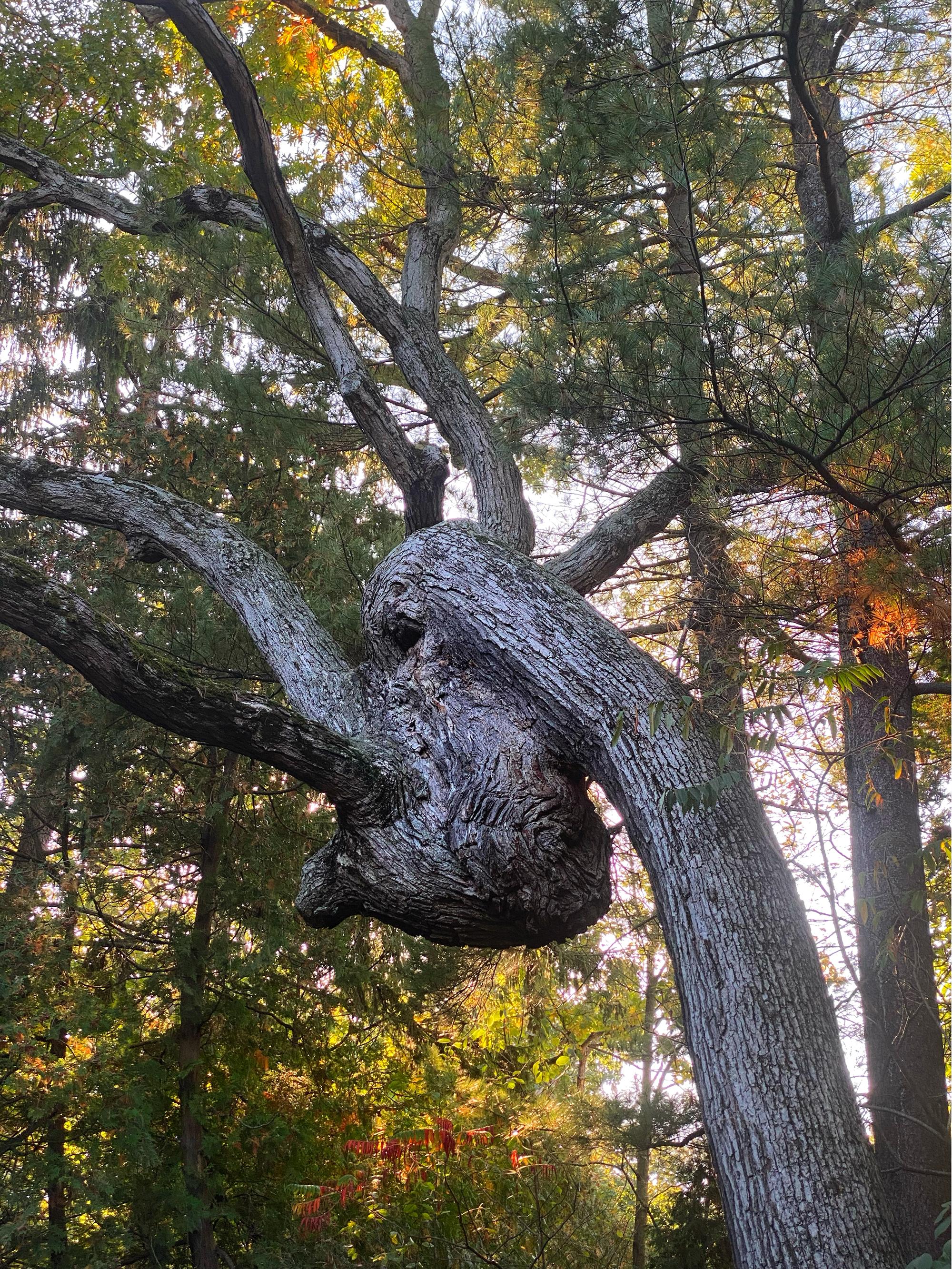
Far from being simple curiosities or products of storms, authentic trail marker trees follow strict, deliberate geometric guidelines recognizable by experts. Their distinct horizontal sweeps and secondary vertical trunks point travelers toward specific destinations before smoothly bending back to rejoin or guide movement along established footpaths. Today, these living monuments act as powerful cultural links to the past, reminding us of the deep indigenous stewardship, and intimate ecological knowledge embedded in our local forests and green spaces.
Plan Your Own Forest Tour
If you want to step away from screens, head outside, and feel a deep sense of freedom and historical connection in the woods, tracking down trail marker trees is a rewarding adventure. Here is how to plan and navigate your own excursion:
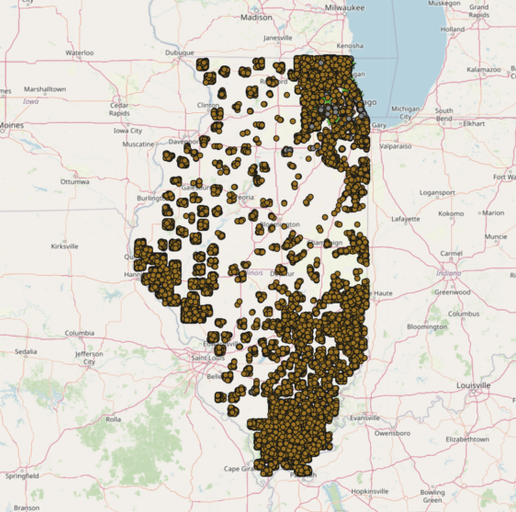
Do your research locally. Before heading out, consult regional history groups or heritage societies (such as the Great Lakes Trail Marker Tree Society or local historical museum archives) Many communities feature public parks, nature centers, and restored green spaces where historically significant trees have been preserved.
- Field Guide/Reference Photos: Images of authentic trail marker structures handy so you can differentiate them from trees bent by winter snows, windstorms, or falling branches.
- Journal or Camera: Documenting what you see, bark, and surrounding landscape can add an extra layer of mindfulness to your hike.
- Leave No Trace: Stay on established footpaths to protect delicate forest understories and root systems
Health Benefits
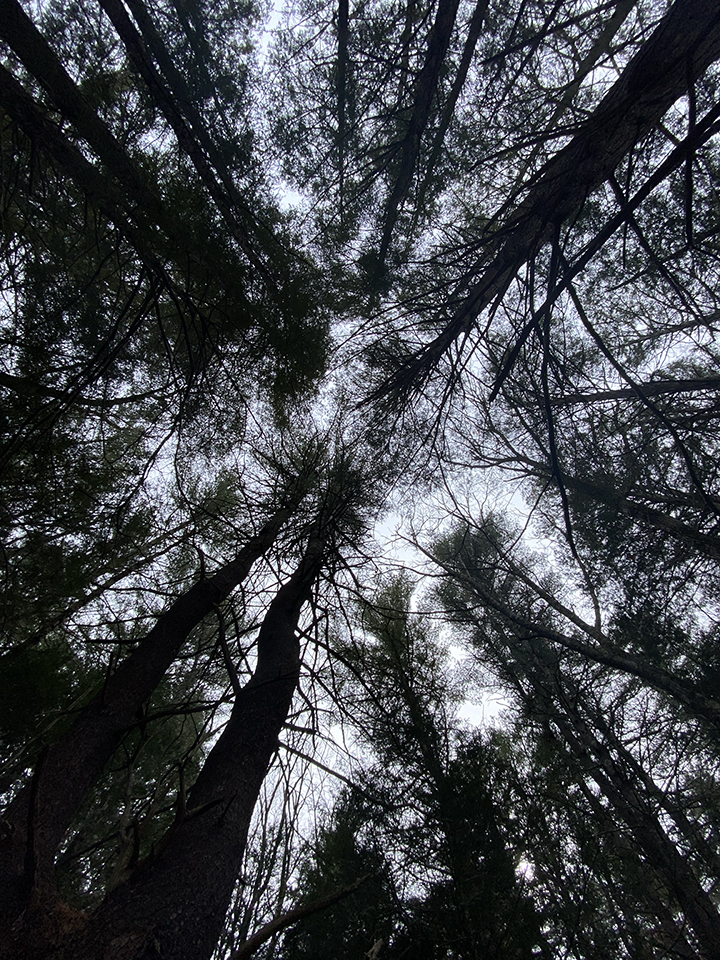
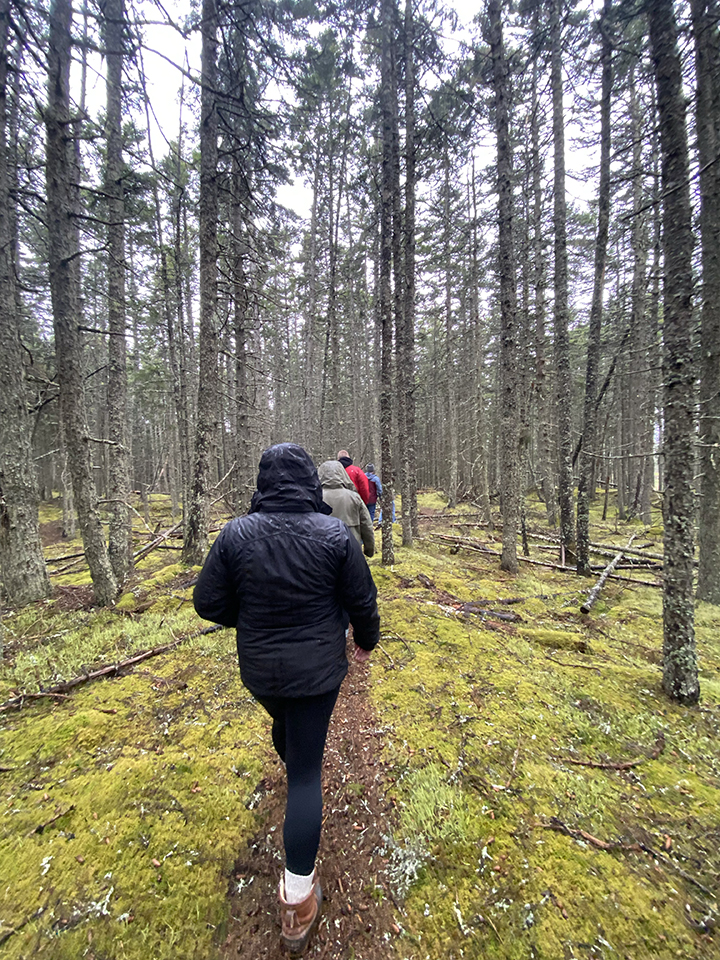
The practice of Shinrin-yoku, or "forest bathing," developed in Japan during the 1980’s, highlights the psychological and physical benefits of spending mindful time among trees. Studies demonstrate that even a brief 20-minute walk through a woodland setting can:
Reduce cortisol levels • Lower blood pressure • Improves mental fatigue
Silence, Sunlight, and Solitude
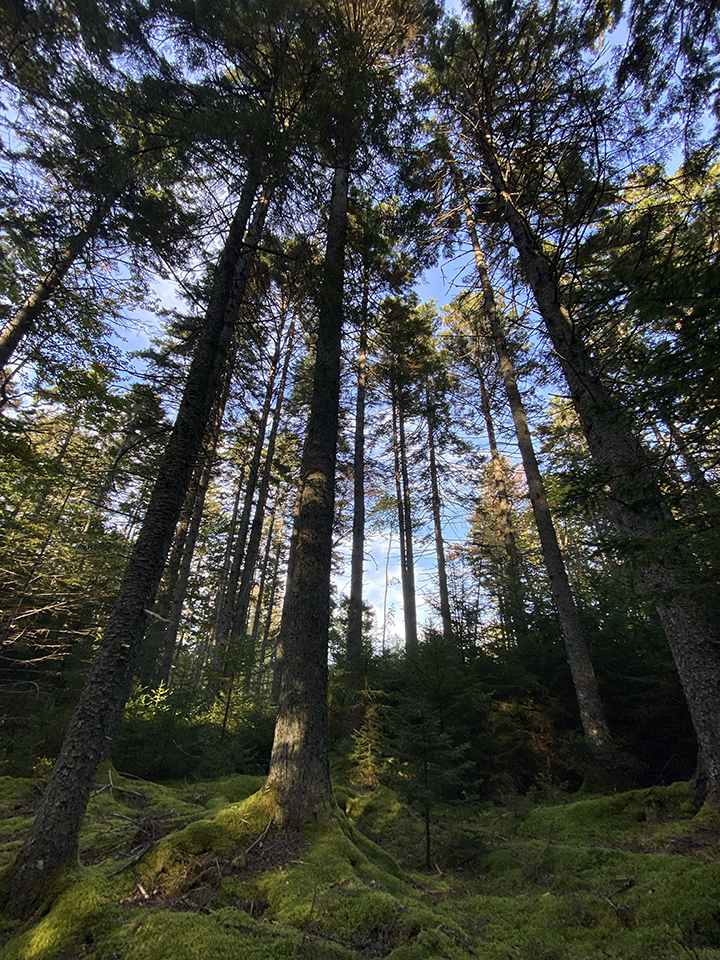
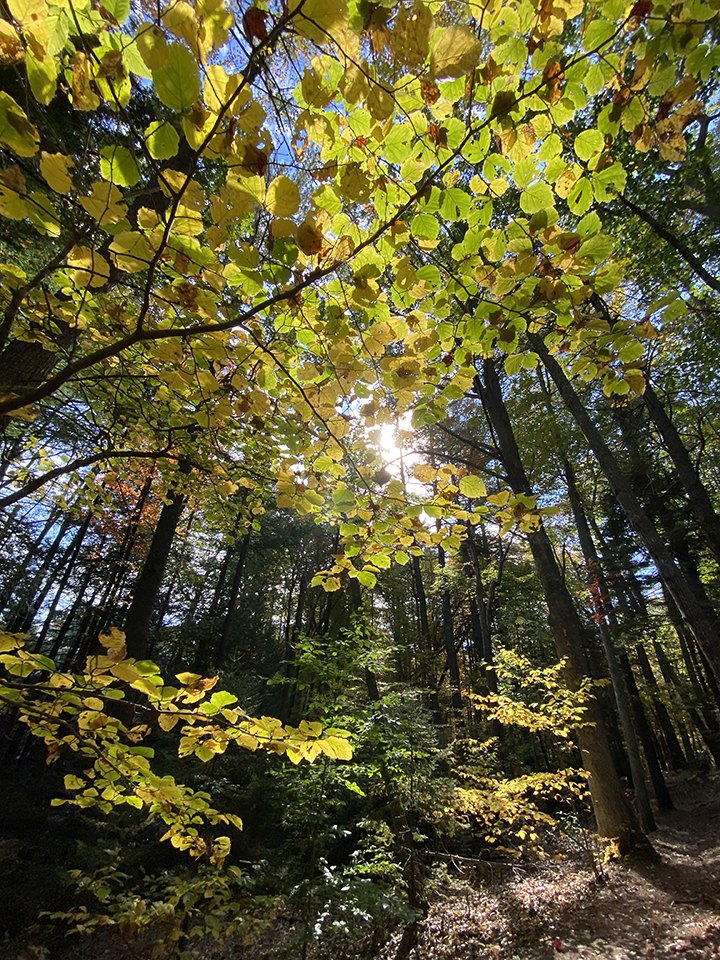
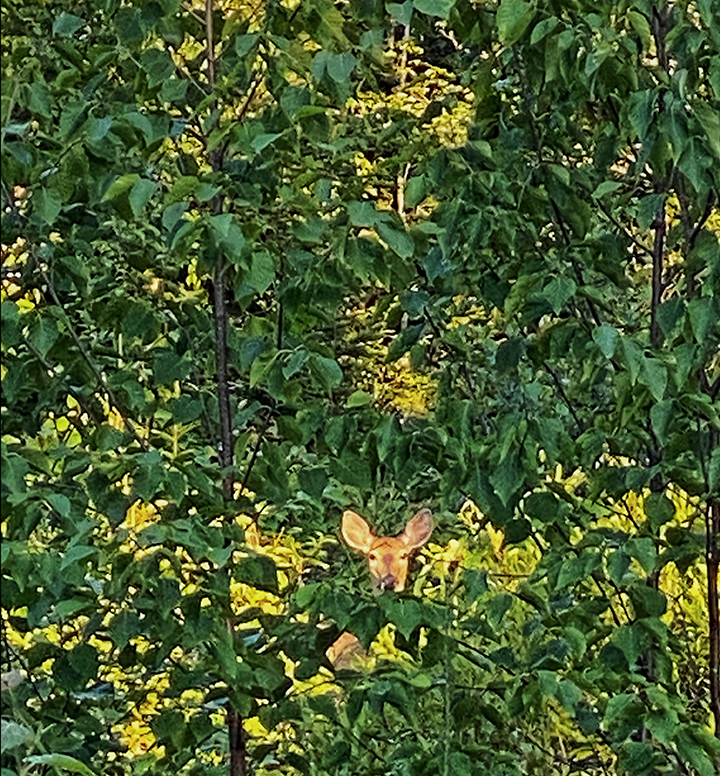
As light filters through the dense canopy—creating dynamic patterns of shade and gold across the forest floor—your eyes adapt to shades of green and earthy brown. The soft crunch of fallen leaves, the rhythmic snap of twigs beneath your feet.
The air itself feels distinct: cooler, richer, and fragrant with the piney, mossy scent of damp earth. This distinct aroma is partly due to phytoncides, natural airborne chemicals released by trees that not only protect the plant life but also help lower stress levels and enhance immunity in humans.
Finding reflection on the path. Beyond physical health benefits, moving through a forest encourages a contemplative mindset. Without the constant interruptions of digital notifications, the mind is free to wander, reset, and observe. Watching ancient trees stand firm against the wind offers a quiet reminder of resilience and continuity.
Whether you set out for a brisk morning hike or a slow, reflective stroll, entering the forest provides an essential pause—a reminder that sometimes, moving forward simply requires stepping outside.
When I Am Among the Trees
By Mary Oliver
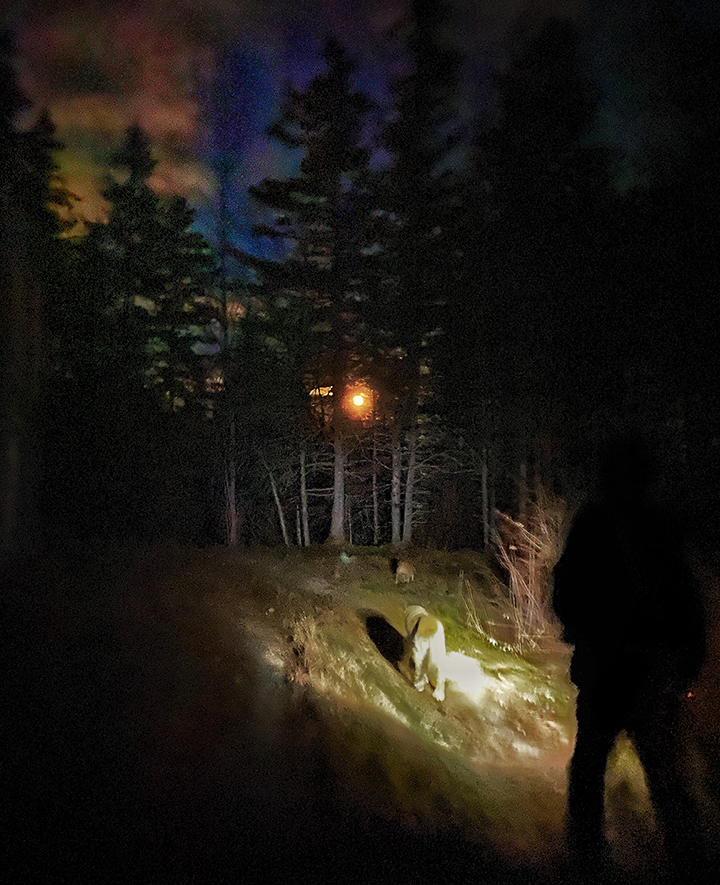
When I am among the trees,
especially the willows and the honey locust,
equally the beech, the oaks and the pines,
they give off such hints of gladness.
I would almost say that they save me, and daily.
I am so distant from the hope of myself,
in which I have goodness, and discernment,
and never hurry through the world
but walk slowly, and bow often.
Around me the trees stir in their leaves
and call out, “Stay awhile.”
The light flows from their branches.
And they call again, “It’s simple,” they say,
“and you too have come
into the world to do this, to go easy, to be filled
with light, and to shine.”
 ← Previous: Grand Marquise