
The Kenilworth Historical Society continued a tradition dating back to 1922 with its Biennial Dinner on Thursday, October 29, at the Kenilworth Assembly Hall. The evening brought together members, residents and friends of the Historical Society for a celebration of the village's rich history, featuring acclaimed WTTW producer and host Geoffrey Baer as the evening's guest speaker.
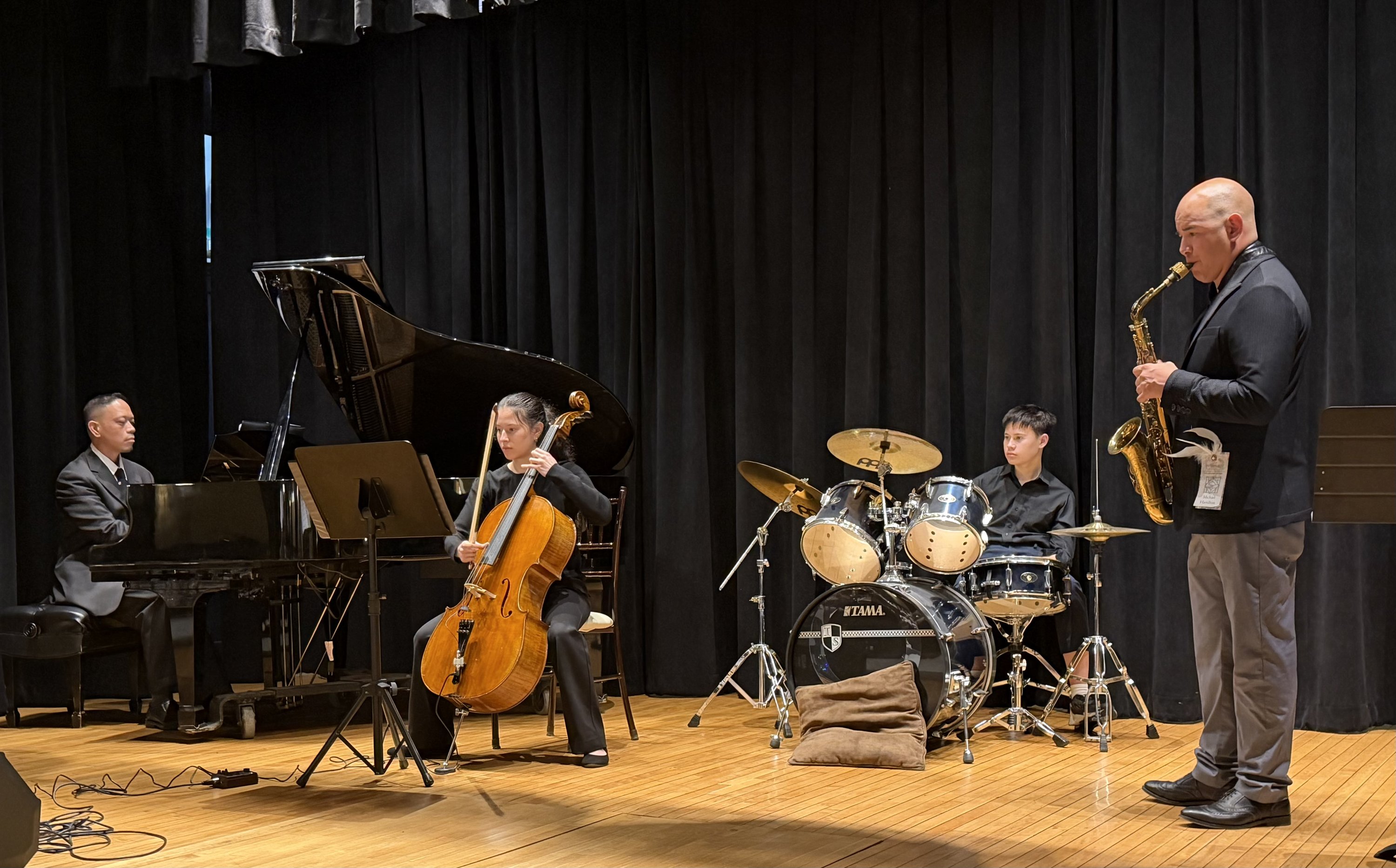
In keeping with a longstanding tradition, one of Kenilworth's four garden clubs provides the floral arrangements for the dinner. This year's centerpieces were designed and generously donated by the Kenilworth Clippers, adding a lovely touch to the evening. Musical entertainment was provided by resident musician Michael Hamilton and The Michael Hamilton Quartet, which includes several musicians from Kenilworth's talented Lau family.
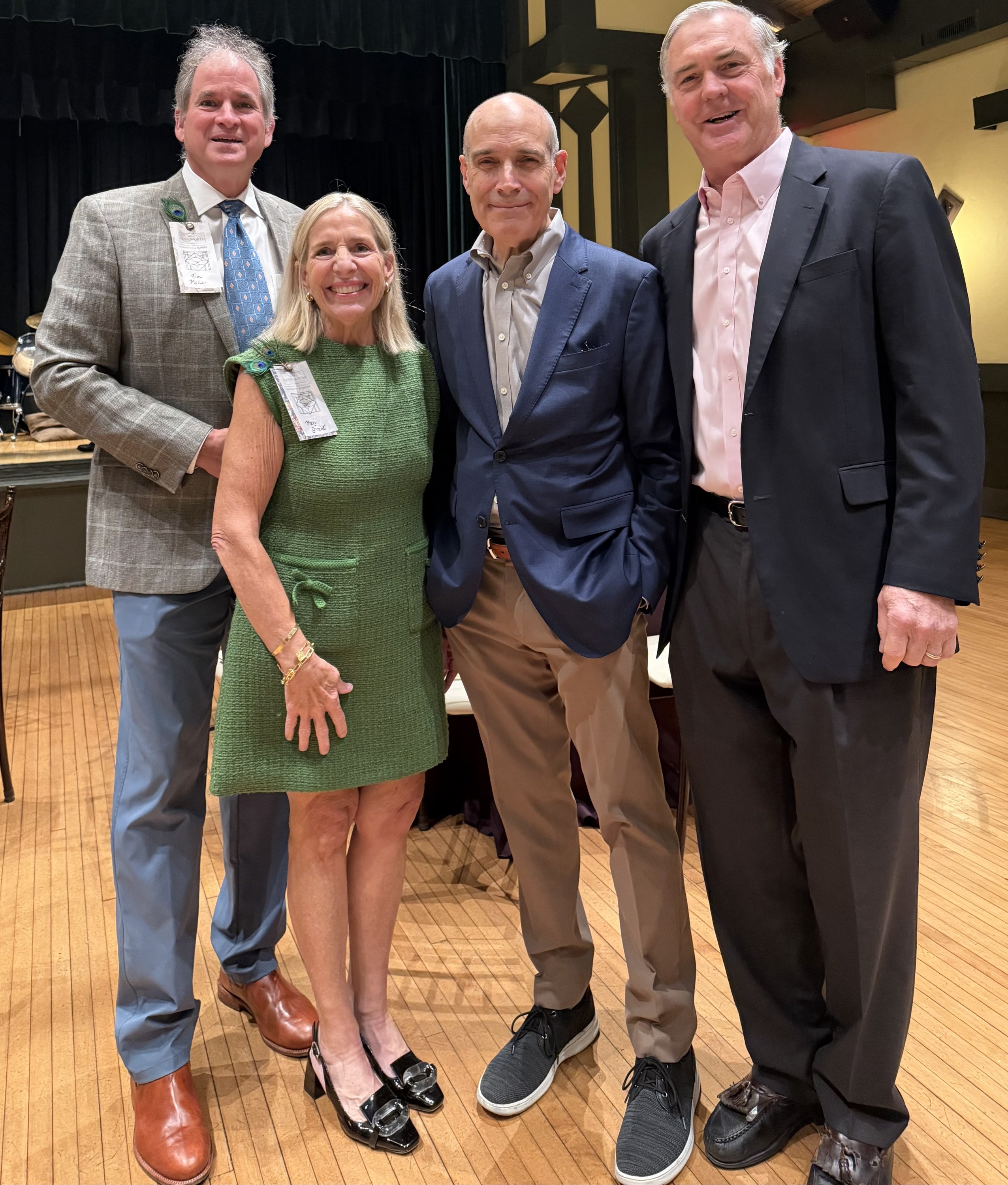
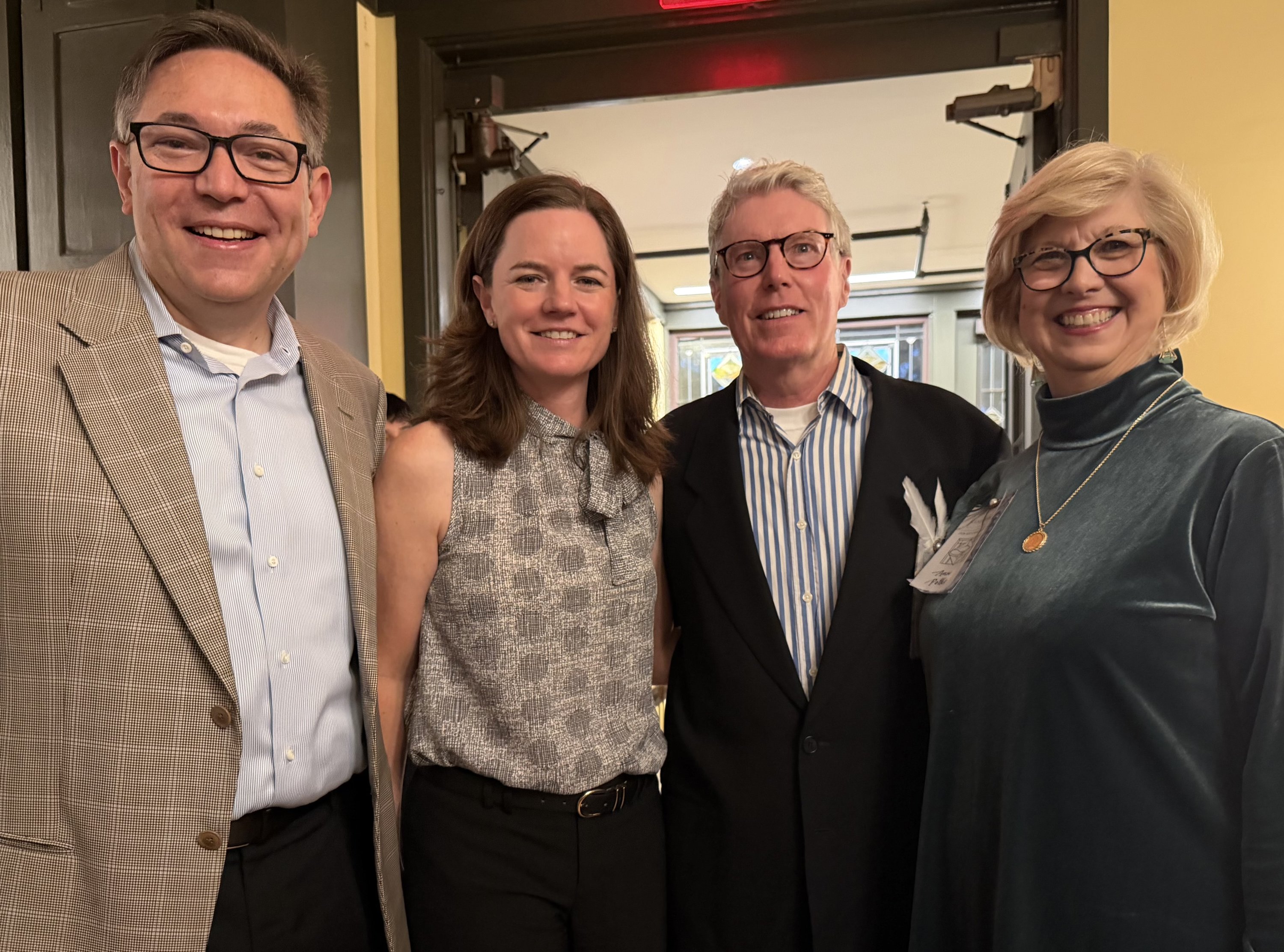
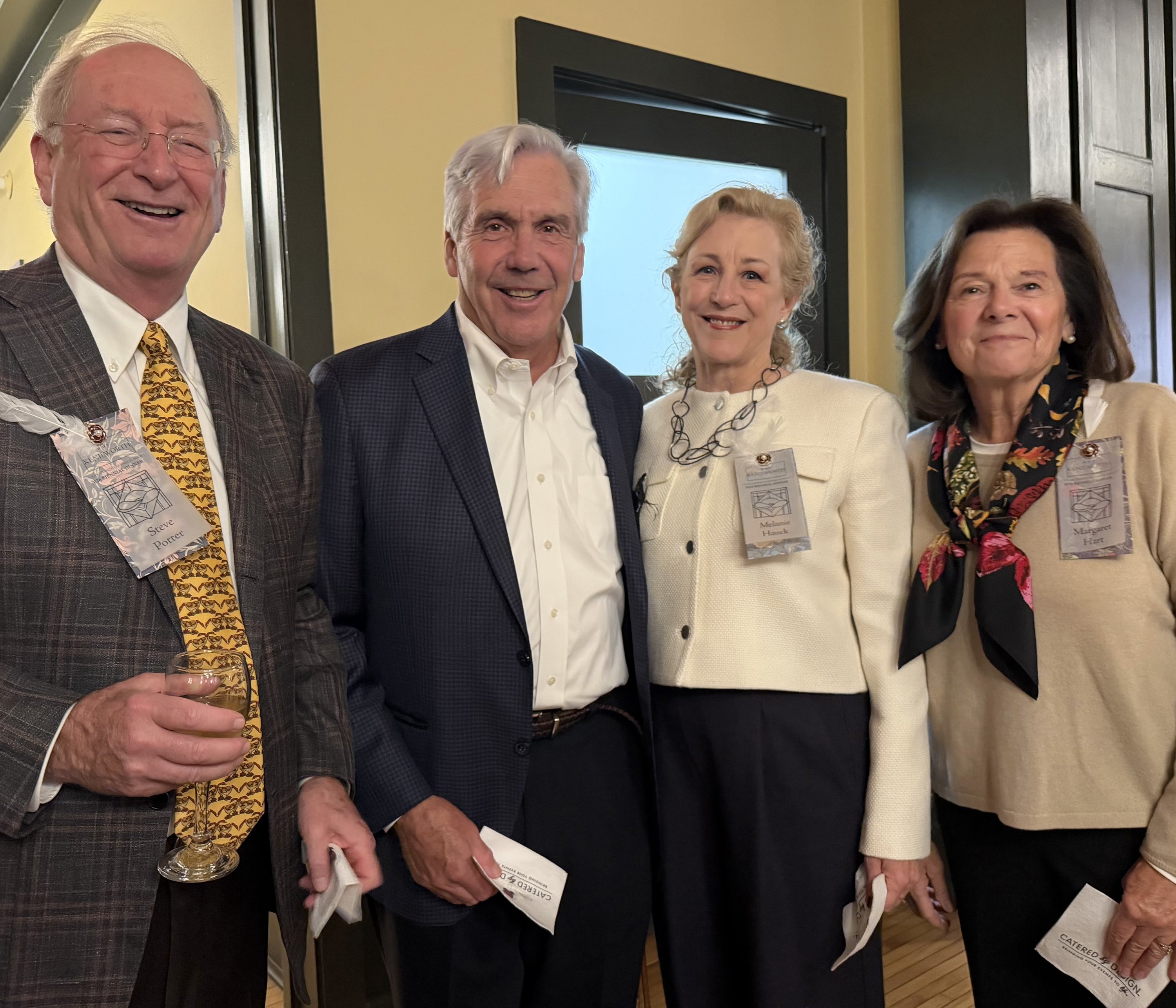
The highlight of the evening was Baer's lively exploration of Kenilworth's history and its place among the North Shore communities. A multiple Emmy Award-winning producer and host, Baer offered guests a special preview of his upcoming WTTW program on Chicago's northern suburbs, scheduled to premiere December 8.
Among the evening's more colorful stories was the surprising history of Plaza del Lago, today known for its newly renovated shopping destination and upscale boutiques. In 1928, the area was referred to as "No Man's Land," situated outside the jurisdiction of neighboring municipalities. The lack of municipal oversight contributed to a notorious period of lawlessness, including a speakeasy and ballroom. According to the story Baer shared, when a fire broke out at the ballroom, neighboring communities refused to send their fire departments and even shut off the water supply, hoping to bring an end to the unruly activities. The area was eventually annexed into Wilmette in 1942, a remarkable contrast to the elegant shopping destination it has become today.
Turning his attention to Kenilworth, Baer explored the extraordinary vision of village founder Joseph Sears, who purchased approximately 223 acres in 1889 with the intention of creating what he promoted as a "model suburban community." Inspired by English villages, Sears envisioned a carefully planned enclave distinguished by its architecture, landscaping and quality of life.
His vision came with considerable oversight. Sears established restrictions on lot sizes and personally approved prospective property buyers, exercising an unusual degree of control over the community's early development. The village soon attracted an impressive roster of architects, including George W. Maher, Joseph Lyman Silsbee, Mayo and Mayo, and John W. Beeman, whose work helped establish Kenilworth's distinctive architectural character.
Even the village's unusual street layout reflected Sears' ambitions. Local lore suggests that diagonal streets were designed to maximize sunlight in homes, while another theory holds that the winding layout discouraged through traffic, contributing to the village's sense of privacy and exclusivity.
Landscape architect Jens Jensen also played an influential role in shaping Kenilworth's character, advocating for native plantings and Prairie-style landscapes. His influence is especially evident in Mahoney Park and its council rings, inspired by Native American gathering traditions. Jensen's contributions extended to the community's recreational and civic spaces, including his involvement with the Kenilworth Club.
Sears promoted more than attractive homes and picturesque streets. He envisioned a lifestyle centered on recreation, culture and community involvement, encouraging activities such as tennis, dancing, reading and charitable fundraising. His ideal was a village where the pleasures of country living could coexist with the cultural and social opportunities of nearby Chicago.
One particularly entertaining story involved Sears' initial resistance to allowing the railroad to pass through Kenilworth. So determined was he to preserve the village's country atmosphere that passengers traveling north from Chicago reportedly had to disembark before Kenilworth and be transported by horse and cart to Winnetka to continue their journey. Sears eventually recognized the importance of rail access and agreed to sell land to the railroad, with the condition that the station and entrance to the village reflect its carefully cultivated character. The iconic fountain and urns designed by George W. Maher were the result of payment for the land used for the railroad tracks. The historic station remains a recognizable gateway to Kenilworth today.
Baer's presentation offered a reminder that the North Shore communities we know today were shaped not only by architecture and geography, but also by the ambitions, personalities and sometimes surprising decisions of their founders.
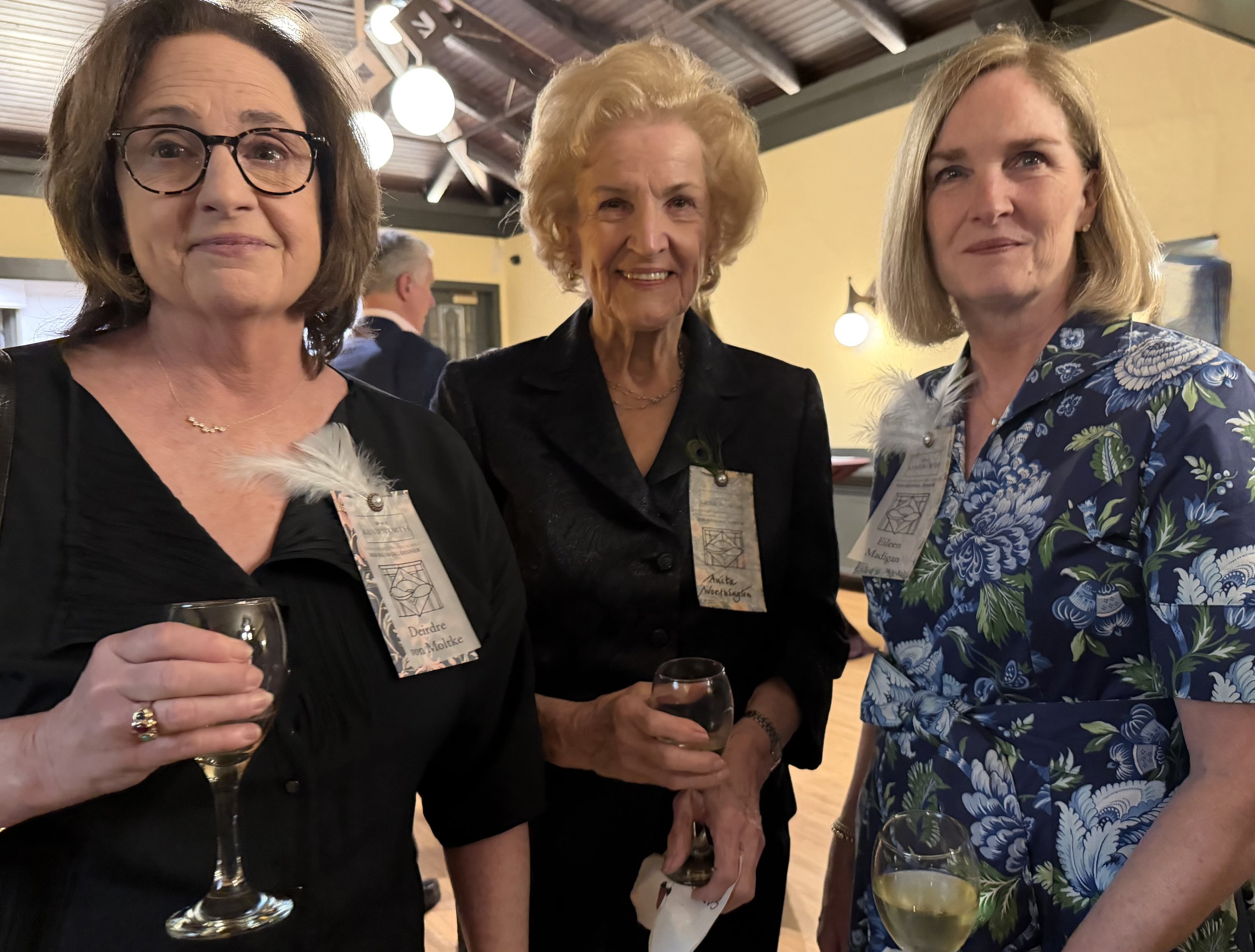
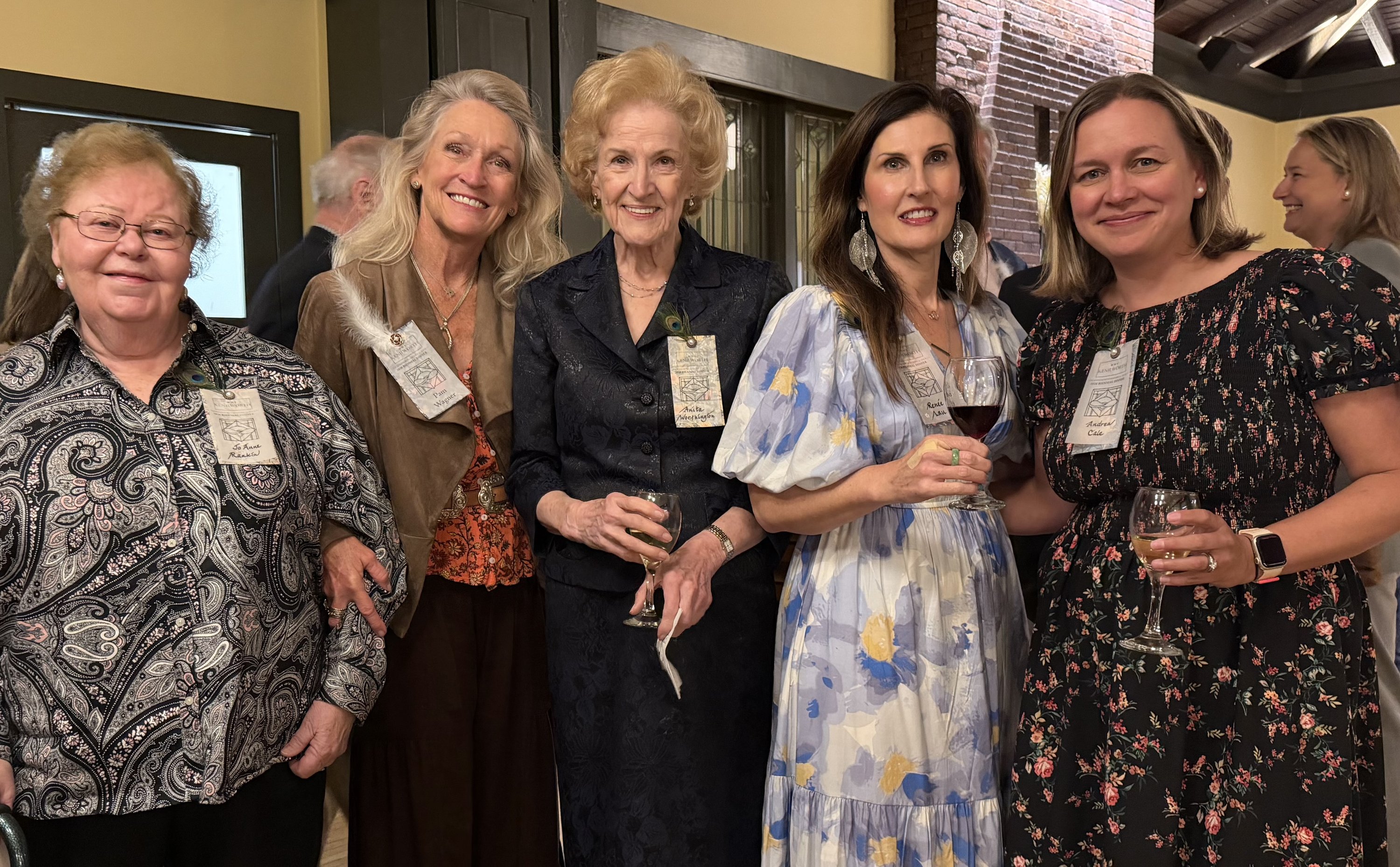
Another cherished tradition of the Biennial Dinner is the "Countdown," when guests are recognized for the number of years they have lived in Kenilworth. This year, Tricia Hagenah was the winner, having lived in the village the longest among those in attendance.
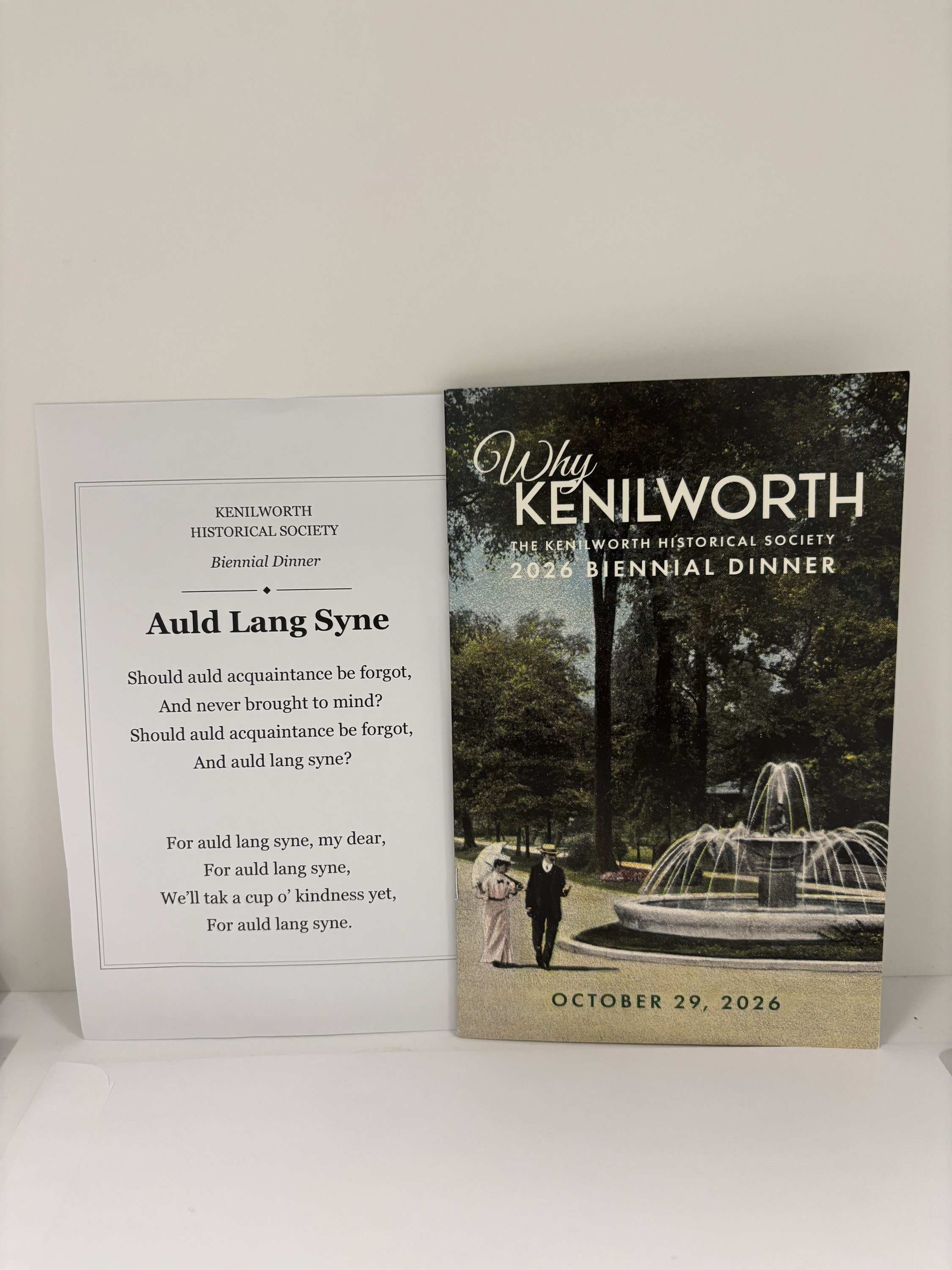
In a fitting conclusion to the evening, guests rose together to sing the traditional "Auld Lang Syne," a cherished custom of the Kenilworth Historical Society's Biennial Dinner. The familiar song served as a reminder of the friendships, shared history and enduring sense of community that have brought Kenilworth residents together for generations. More than a century after the first Biennial Dinner in 1922, the tradition continues, celebrating not only the village's remarkable past but also the community that carries its legacy forward.
 ← Previous: Openlands: Celebrating Conservation from the Ground Up
 Next: Exploring Little Italy West in Suburban Elmwood Park →