
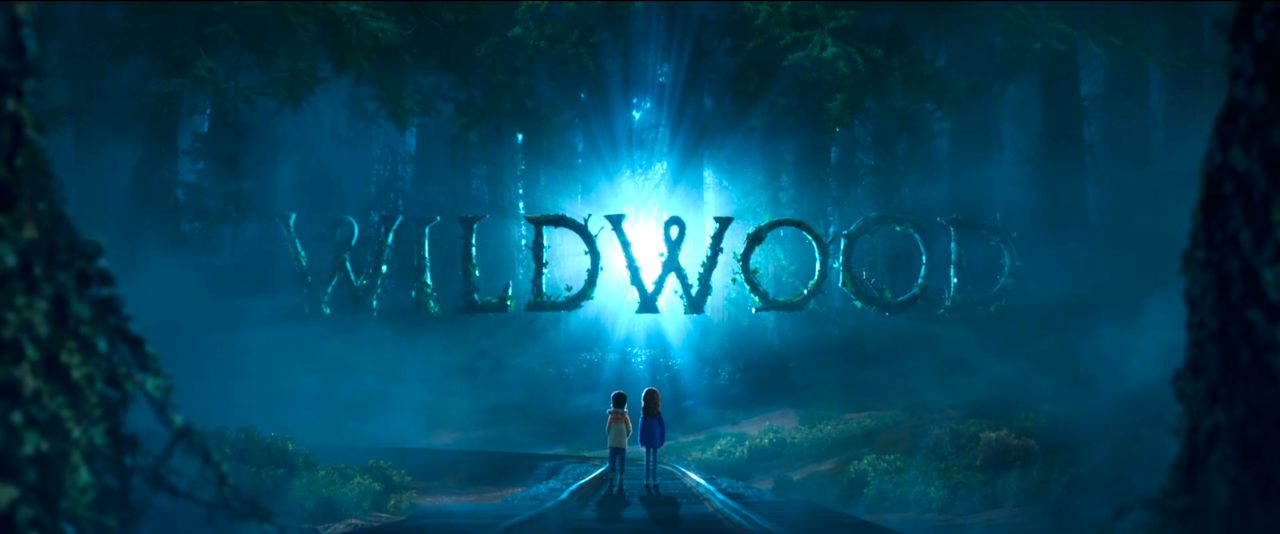
Wildwood is a fantasy adventure film, animated in stop-motion by studio Laika (Coraline, ParaNorman, Kubo and the Two Strings), based on the illustrated novel of the same name which was written by Colin Meloy and illustrated by Carson Ellis. The film, directed by Travis Knight and written by Chris Butler, stars Peyton Elizabeth Lee, Carey Mulligan, and Jacob Tremblay, among others. It released to theaters on October 23rd, and has (at time of writing) grossed approximately $32 million worldwide against its $100 million budget. The film has received universal acclaim and praise from critics and audiences alike, and was even recognized at the Sitges Film Festival in Catalonia for Best Feature Film.
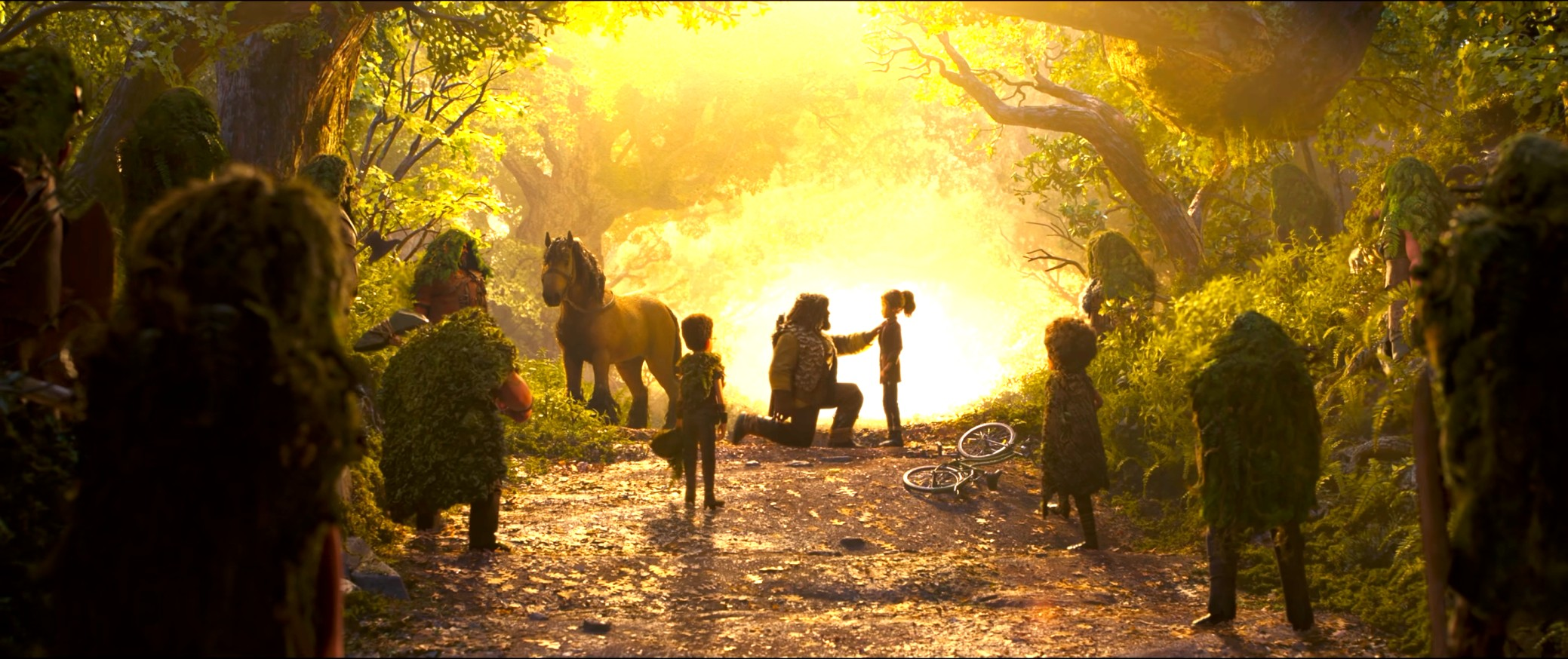
The film follows youths Prue (Lee) and Curtis (Tremblay), who venture into the Impassable Forest on the outskirts of Portland, Oregon, in search of Prue’s baby brother, Mac, who was abducted by a murder of crows. Strangers in a strange land, they must navigate a world in tension, as the sinister Dowager Governess Alexandra (Mulligan) plans to bring war to the forest for her own selfish gain. Constantly on the move and meeting new people, Prue must unite the disparate peoples of Wildwood, while Curtis works to bring down the Governess from the inside.
Review
The film’s narrative structure is non-traditional; I would compare it more to a compilation of short stories connected together with a single primary thread, and as such, I will not perform my typical synopsis for the purpose of reviewing the plot. This closely follows the book, which contains approximately thirty chapters, each of only a few pages in length, and each chapter illustrates a new scene, with new characters, settings, and minor conflicts. What I will say, though, is that this structure is absolutely to Wildwood’s benefit. In not focusing in so closely on the characters and their actions, it lets the world tell the story as much as any dialogue does. We see the ivy’s vines wind around trees as things grow more tense, watch the clouds streak by Prue in a moment of triumph, or see the fog wall roll in to separate the worlds of fantasy and reality. Both plot and world are dripping with symbolism and synecdoche, conscious and subconscious, emphasizing the film’s themes of grief and ambition.
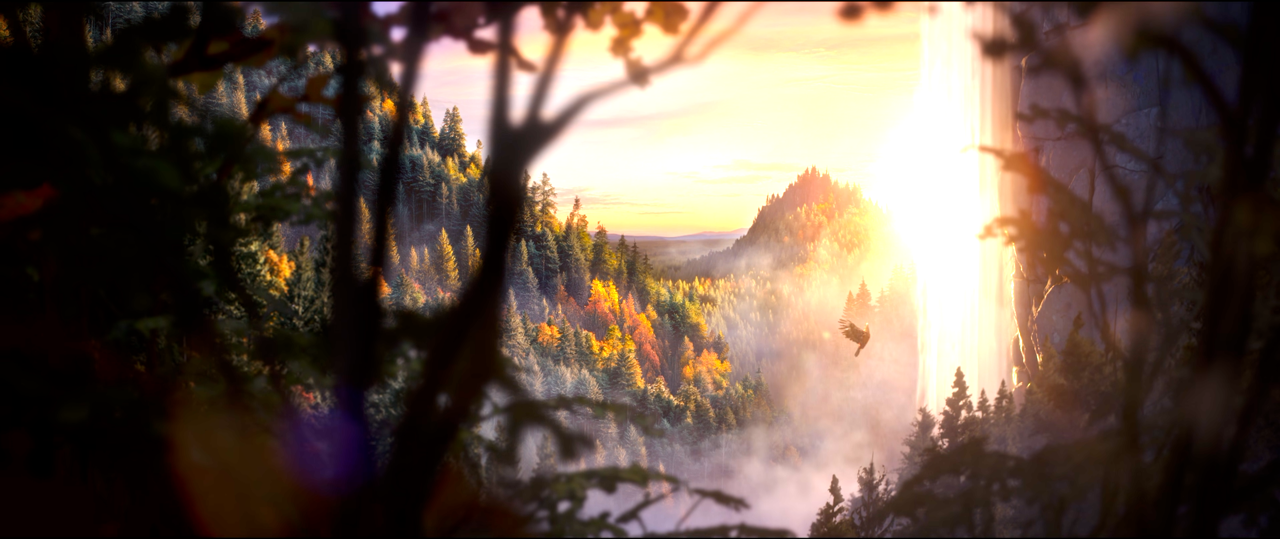
Speaking of the world: WOW. Absolutely spectacular, a genuine accomplishment in its realization and direction. In the same way that Peter Jackson and the development team of the Lord of the Rings films transformed New Zealand into Middle Earth, so too do Knight and Laika for coastal Oregon’s natural vistas. Soaring mountains butt up over sounds, glacial-cut valleys with thatched-roof villages nestled in close, but most of all, of course, forests. Vast, old, and nearly suffocating at times, the woods become a character in its own right; providing shelter for Prue at times but at others tripping her up and clouding her way forward, never on anyone’s “side.”
And, naturally, having talked about the world, we now must discuss the animation itself, which brings said world to life. Watching the film, the only way you might recognize it as animated is seeing the characters, because the fidelity of everything else is so great, and the stylization of the film’s characters is the only thing that gives it away. And even then, when you do see the characters, you might still not believe it to be stop-motion, because of how smooth and complex it all is. Several scenes include dozens, or even hundreds, of characters, props, and effects intermingling as the camera zooms past, never in one place for too long. And yet, at the same time, you can almost see the fingerprints of every animator that contributed to it, loving touches and perfect imperfections that give the animation more feeling and life than the highest-quality CG could ever provide.
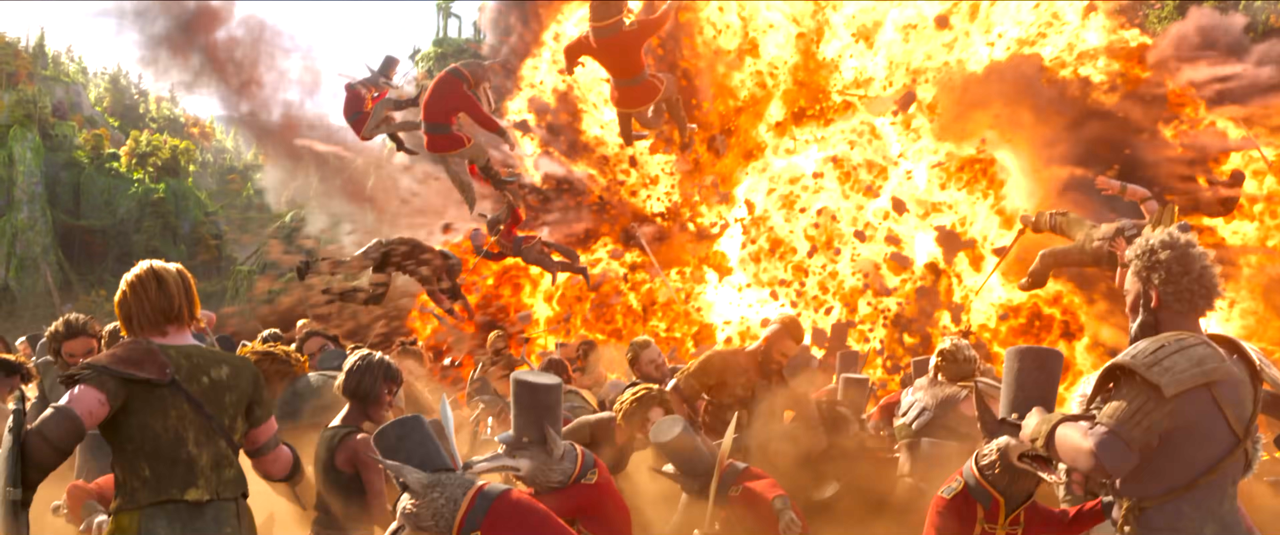
Finally, I want to talk about the story’s tone and rating, as it is another convention not followed by the film that only serves to bolster its quality. It is rated PG-13, a rarity for animated films, and its violence, darker tone, and occasional foul language definitely merit that rating. Many people are killed by others in battle, there are a few swears sprinkled into dialogue, and the final act of the film concerns Prue stopping the Governess’ dark, violent ritual. However, this should not dissuade parents from taking their children to see it; in fact, these darker themes make me want to encourage children to see it with their parents. Fairy tales, especially the Brothers Grimm’s “original” fairy tale canon, help us learn to manage our feelings and explain situations unfamiliar to us, and introduce to us new ideas and perspectives we may not have considered before. But above all, to me, it’s nice to see a middle-ground movie that can be enjoyed by all, without being saccharine and squeaky-clean or a crass violence-fest.
Final Thoughts
Wildwood is a movie that could stand on its visuals alone; the animation, world design, and cinematography all create a sumptuous buffet for your eyes, and it is well worth the price of admission, but it has much more to offer beyond just that. The story is compelling and touching, and both elevates the visual spectacle and brings emotion at the same time. It is a generational achievement for all who worked on it, and deserves the praise that has been heaped upon it. Go see the film if you can: you will not regret it.
Final Rating: 8 out of 10
 ← Previous: Where to Get It
 Next: A Weekend at the Physical Media Fair →