“When I told people I was going to do the first ever daily women's sports show I was surprised how many wondered if there was enough content to make a good show every day, and instead the honest truth is that we work very hard to keep our show from being too long every day because there's just so much to get to.” Sarah Spain, Emmy and Peabody Award winning sports journalist.
Chicagoan Sarah Spain has content galore for her daily women’s sports podcast Good Game with Sarah Spain, produced on iHeart women’s sports where she is content director. The former ESPN sportscaster and author told us this week: “Folks are finally seeing women's sports like startup companies that need money in order to make money.”
A graduate of Lake Forest High School and a former heptathlete on the Cornell track and field team, she once was a guest host on WGN radio and a sideline reporter for the Big Ten Network. Somehow, she finds time to attend Chicago cultural events with her proud parents Nancy and Rick Spain.
We asked Spain to tell us more about her role as journalist and advocate.
CCM: Having grown up in the Chicago area, what would you share about the terrific expansion in women’s sports. How are newer teams attracting fans?
Chicago sports fans are really lucky to have had two of the longest running women's professional teams in both basketball and soccer in the Chicago Sky and the Chicago Stars. But what we're seeing that's really cool around the country is expansion in the form of brand new leagues – the Professional Women's Hockey League, LOVB Pro Volleyball, Major League Volleyball, Athletes Unlimited Softball League, the Women's Professional, Baseball League, World Elite Rugby, I could go on and on. Chicago doesn't have a team in every one of those leagues, but they do have a team in most of them, and more opportunities for young girls and boys to grow up watching women professional athletes the better.
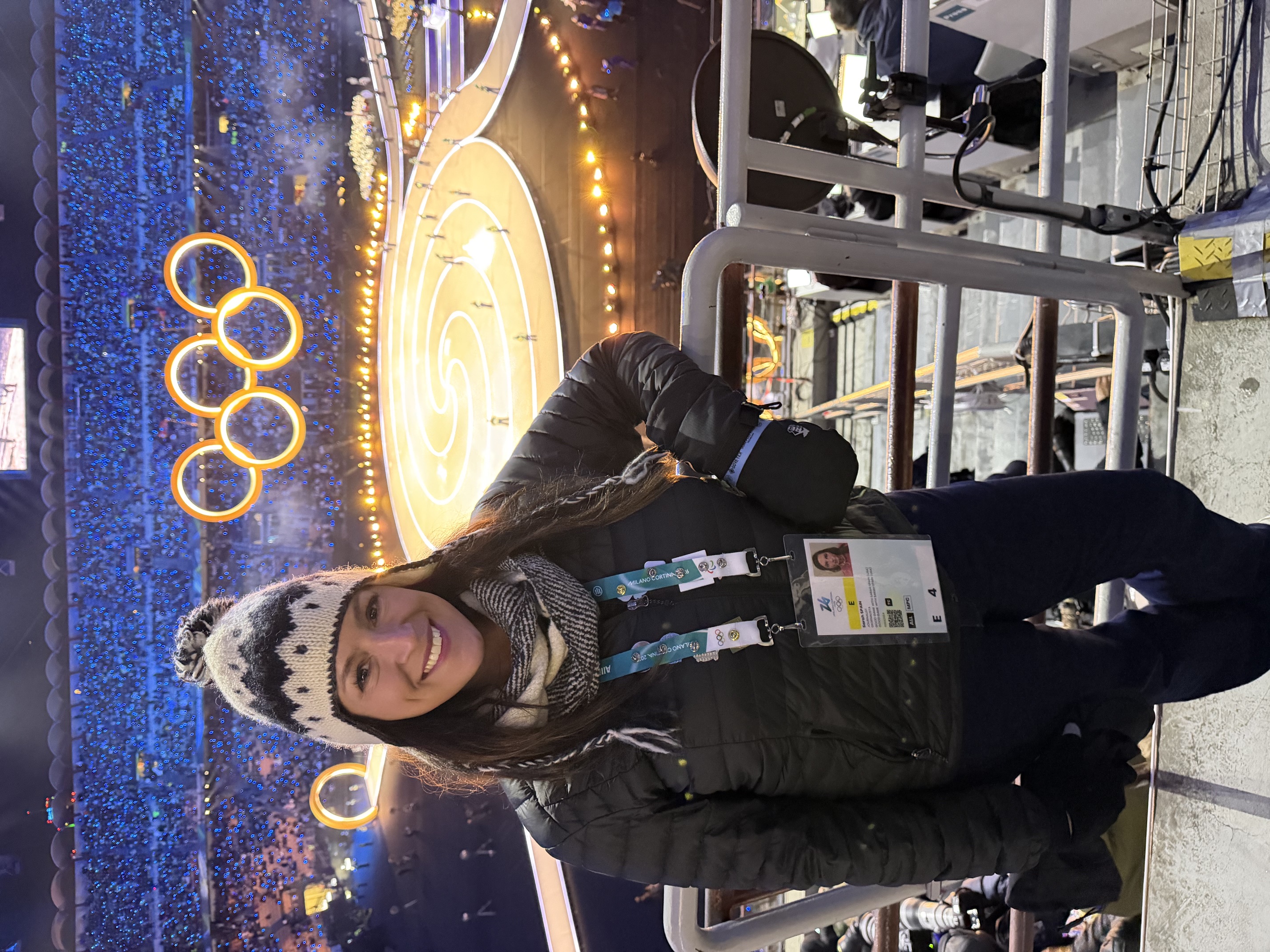
CCM: On your daily show Good Game with Sarah Spain you fill the show with the tremendous information that’s out there about women’s sports, what do you look for in the people you profile?
Sometimes on the show we look to reach out to athletes, coaches, journalists, etc. who are related to a current or upcoming big event – the WNBA finals, NWSL championships, March Madness, the Olympics, etc. There are other times where we invite a person who is just particularly interesting – they have a great story to tell, they've released some new research about women in sports, or they're a legendary figure that we think should be profiled and better known and understood.
CCM: What gives you the greatest pleasure about your work, and what do you hear back from listeners?
I spent 13 years working full-time at ESPN, which is the most desirable place to work in all of sports. I loved working there – the reach, the influence, the access, the resources – but I also felt at times that I was contributing to a space that was already so full of content and opinions. And particularly when it came to daily sports radio, and covering primarily men's sports, what we talked about felt so ephemeral. In one ear and out the other. Relevant only for a moment, but also almost redundant because it was topics being talked about by so many across so many spaces.
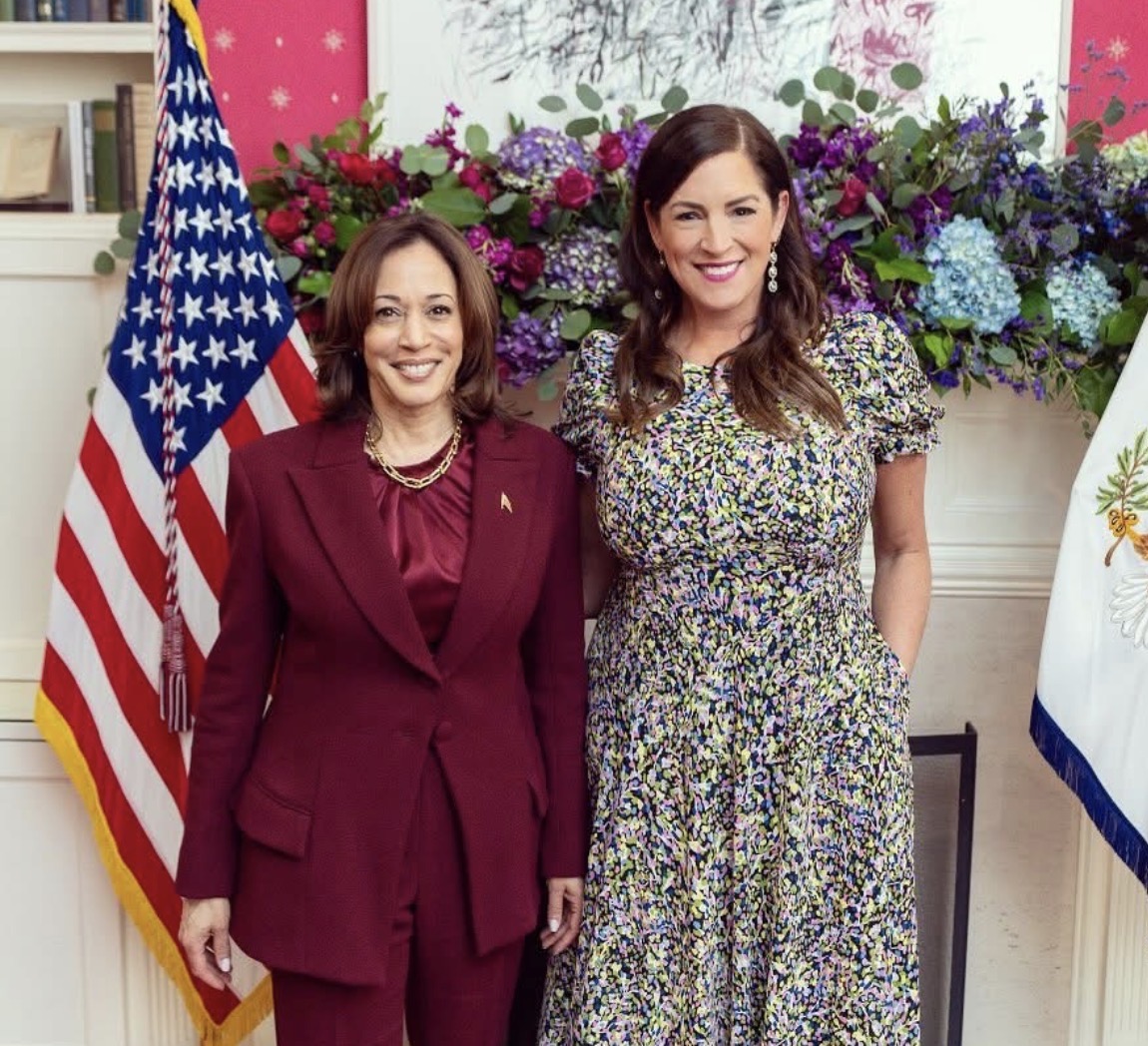
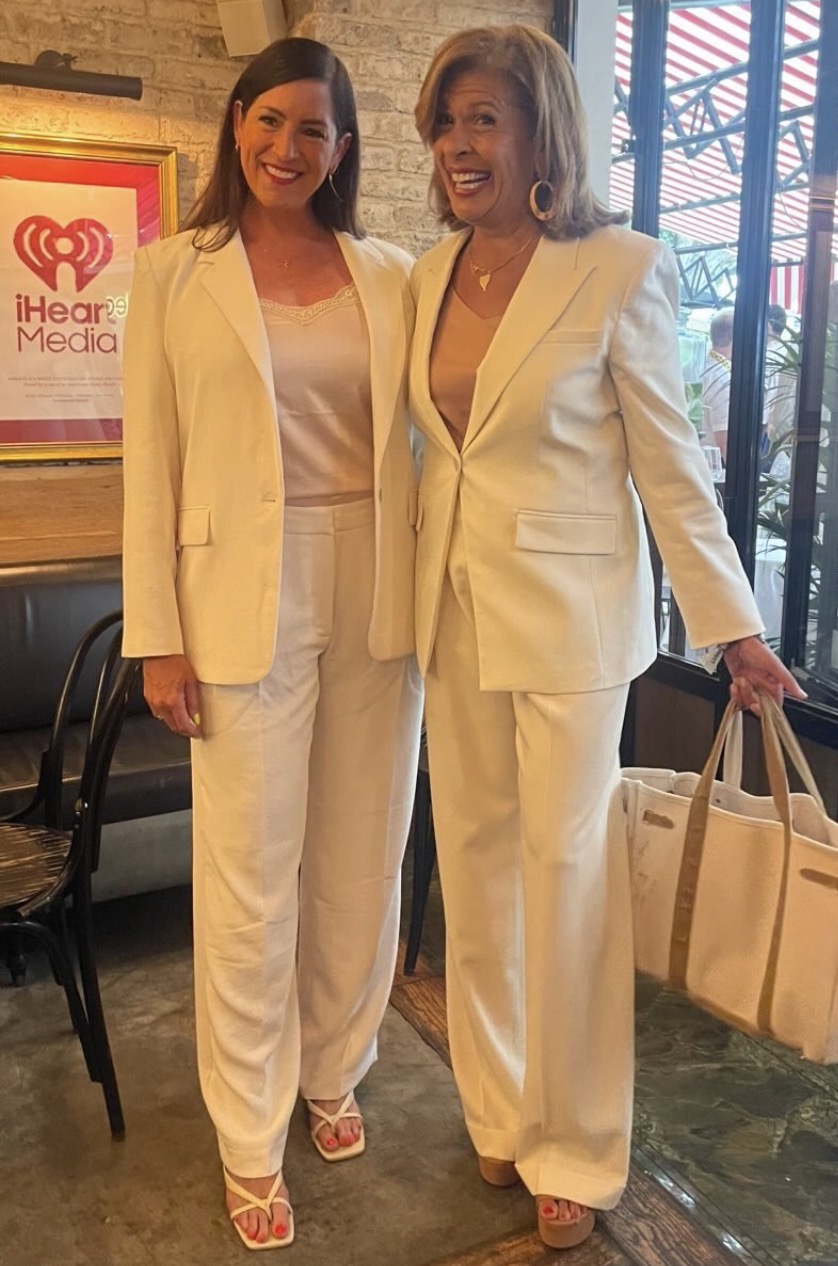
I did my best to bring a perspective that was different from everyone else, and I know that I achieved a lot while I was there, but it also felt like sometimes what I did could get lost in the hundreds, if not thousands, of shows covering the same topics. In my current role as host of the only daily women's sports show, I know that I'm bringing fans something they can't get anywhere else. And not just because it's a daily show, but because I bring a journalistic rigor and an intent to educate, entertain, and inform all at once that's different from so much else that's in the space. I hear how valuable the show is from listeners who are longtime fans who have always wanted a show like this, from legends of the game like Billie Jean King, and her wife Ilana Kloss, from presidents and GMS of professional teams, and from CEOs and CMO's of fortune 500 companies.
I think it's really valuable to realize that I'm creating a digital archive of the athletes, coaches, GMS, presidents, sponsors, and other stakeholders for all of these women's leagues that are a decade or two in or just getting started. 20 to 30 years from now there will be interviews from our show that will help people piece together what these leagues looked like in their infancy.
CCM: You have spent time with great women leaders like Gloria Steinem and Billy Jean King, how have they inspired you?
I think it's both inspirational and somewhat depressing to see the same story told over and over again across generations. And while I sometimes get down about the idea that Gloria and Billie and folks like them were fighting the same fights we're fighting now, it's also very heartening and empowering to think about them standing up for women athletes and women's rights decades ago when things were even worse. They had the bravery and the foresight to see a world that looked different 50 years ago, so there's no reason I shouldn't be showing up every single day now continuing their fight.
CCM: What are the emerging trends in women’s sports?
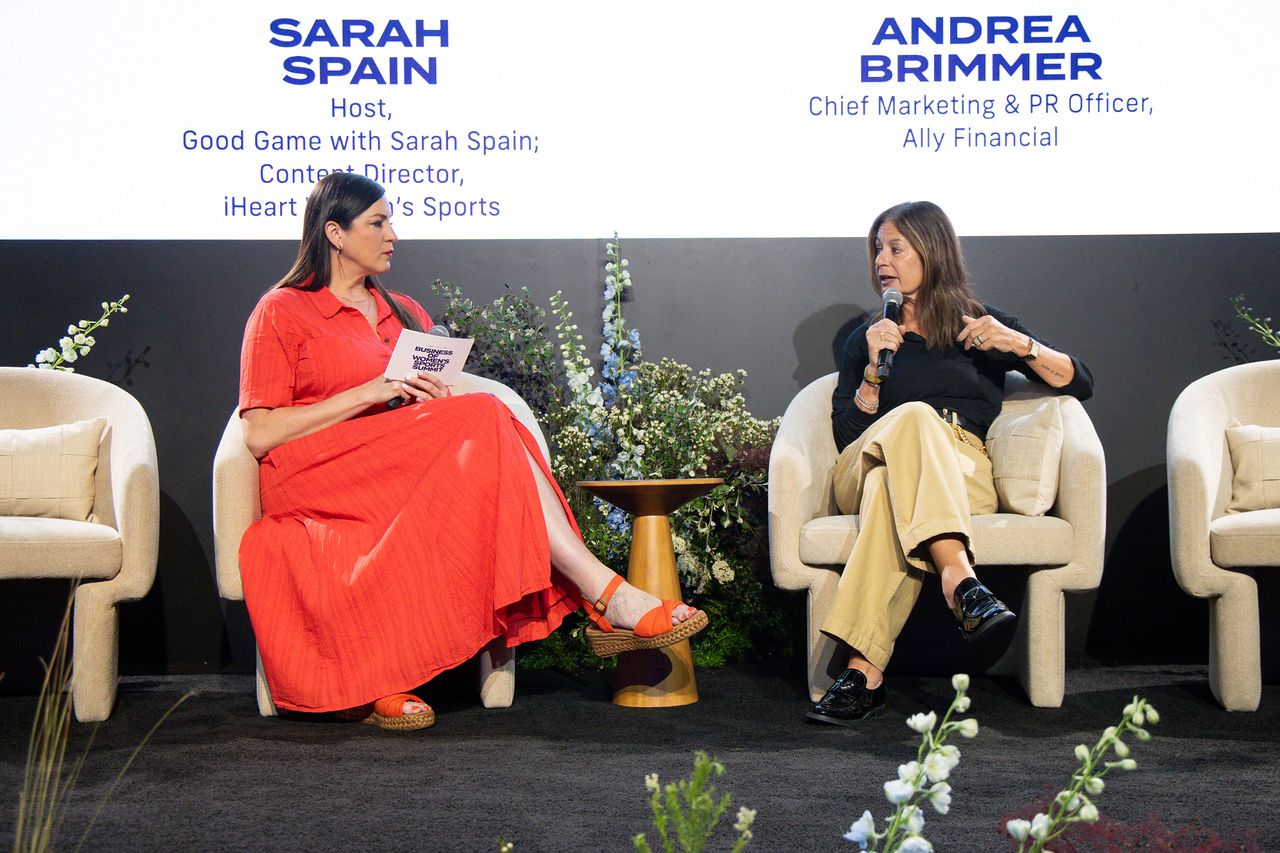
Two big things to keep an eye on: One, investment. Evaluations of women's sports teams and leagues have grown exponentially in recent years – folks are finally seeing women's sports like startup companies that need money in order to make money. The second is what I call facility wars! Teams competing for the best and most cutting-edge practice facilities and home arenas or fields. There is so much to be gained by competing in your own building, from concession and parking revenue, to ability to dictate which days and time slots are open for games in order to collaborate with broadcast partners. We're seeing the leagues recognize that purpose-built stadiums specific to women's teams are no longer a nice-to-have but are now a must-have.
CCM: What advice do you have for parents with young daughters who want to play sports through college?
First I'd say make sure your daughter actually does wanna play sports in college. Unfortunately, there are so many parents now who see their kids' athletic interests as a potential solution to rising tuition costs. I don't blame folks for wanting to take advantage of scholarships and find more affordable ways to get their kids into the best universities, but burnout is very common, and it usually comes from parents and kids not truly being aligned around what the kid wants. Make sure sports are still fun. Make sure kids understand all the wonderful things they're learning outside of just how to be great at their sport. Have honest conversations with them and check in and make sure they're having a good time.
In my case, my parents were very supportive, but not super interested in sports, so it took absolutely no nudging or interest for them to turn me into a Division 1 athlete. I just wanted to be great from day one and loved every single second I spent on a field, court or track. I didn't need any pushing. So if a lot of pushing is required, you might be living vicariously through your kid instead of checking in and seeing how they feel about it.
CCM: What are women sports categories that are expanding the most rapidly?
As I mentioned there are way more professional women's sports leagues than ever before, and there's also expansion in the leagues that have been around the longest like the WNBA and the NWSL. There's just so much more investment, sponsor interest, merchandise available, and opportunities for fans to watch on streaming and social media, that it's allowing growth to happen really rapidly.
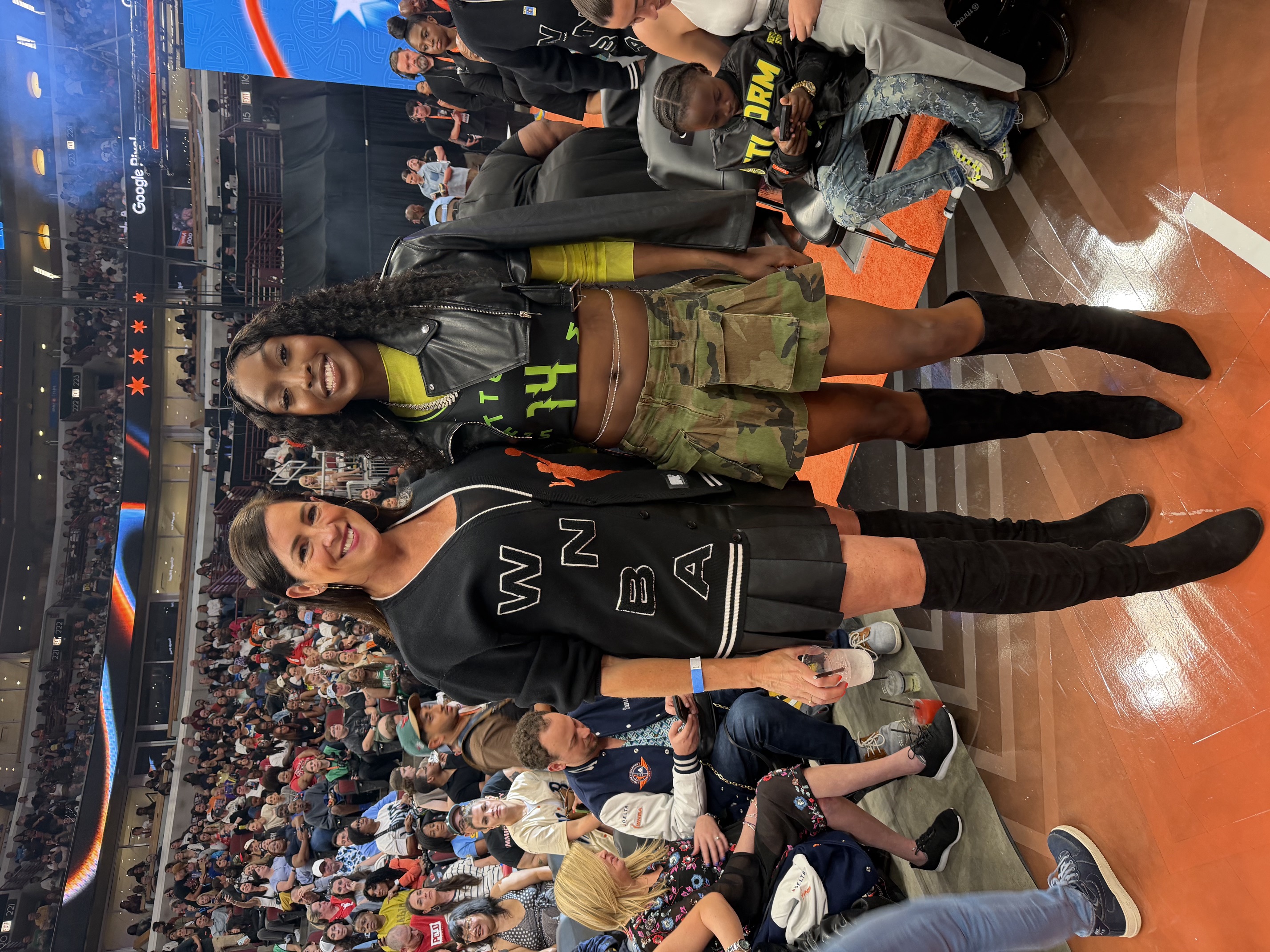
CCM: In addition to listening to your show, how can we best support women athletes?
Follow all of your favorite teams, leagues, and athletes on social media so you can learn more about the products they're selling, the merchandise you might be able to purchase to support them, the games they're playing in and their upcoming events, tournaments and appearances. Watch the games. Go to the games. Wear the merch. Talk to friends, family, kids, and colleagues about the games, the leagues and the players you like.
CCM: Who helped you most along the way as your career grew?
There were so many people I took advice from, learned from, and emulated. Two that stand out are Dan Le Batard, who taught me how to balance humor, authenticity, journalist rigor and honesty, and Jemele Hill, who taught me there's room for many women, not just one, and we need to lift each other up as we rise.
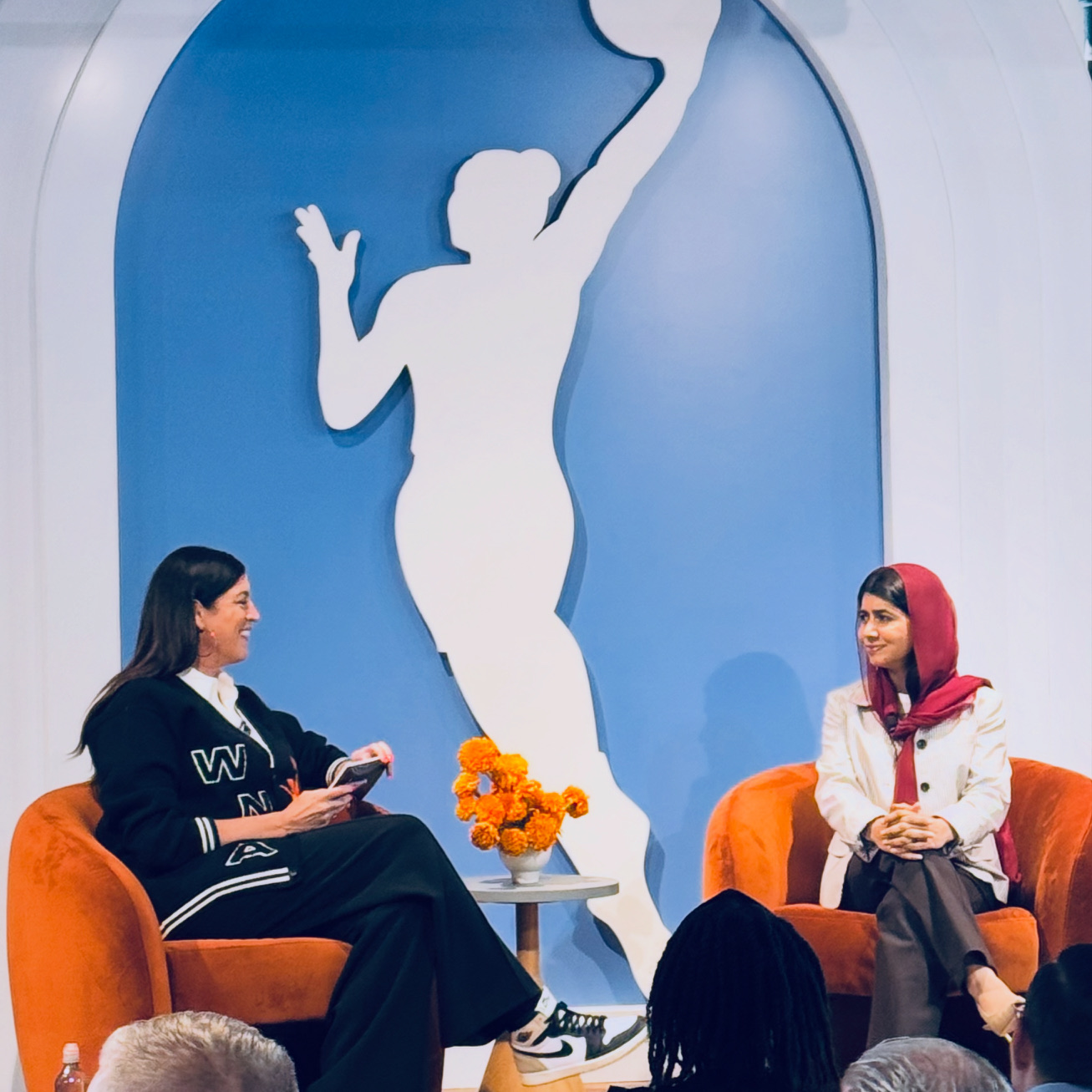
CCM: You are the author of Runs in the Family. What would you like readers to know about this recent book?
The book is a wild, unbelievable true story that combines the excitement of a sports book with the science and psychology of a self-help or personal discovery book. The goal is that while readers learn about the life of one man they're inspired to take a look at their own families, life choices and views and decide what no longer serves them and what they want to pass on to the next generation.
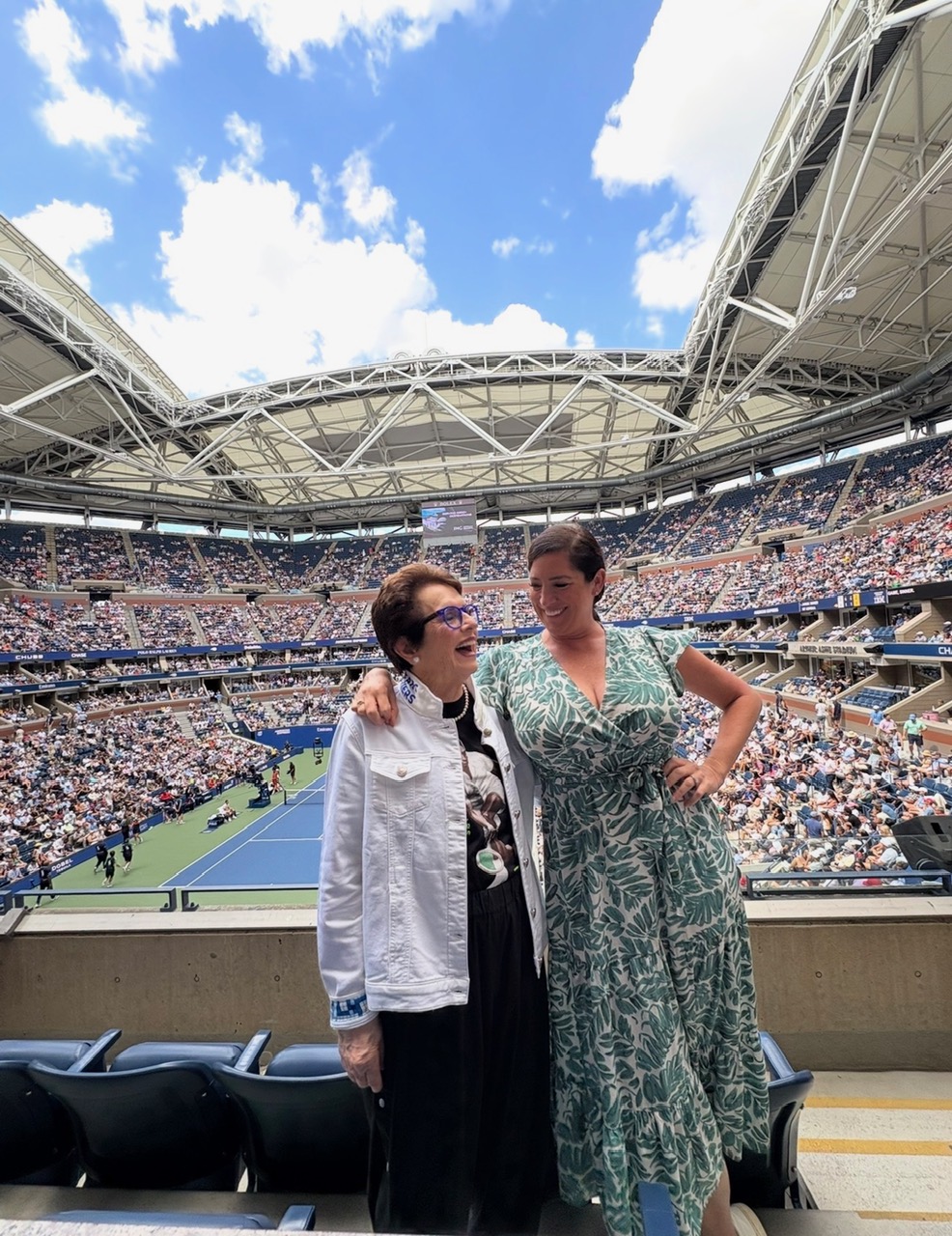
CCM: You have said that women sports journalists often receive threats and taunts, how do you respond to this?
It's been a learning process for sure. Early in my career I took things way more personally and got much more upset about insults and attacks. Eventually I realized that only people who are dissatisfied in their own lives would spend time attacking and harassing people on the internet. I had empathy for them instead of anger, and decided my responses would only do one of three things: 1, check in to see if they're okay and meet their cruelty with kindness; 2, use their unhinged responses to educate others about problematic views or comments and help the folks lurking but not commenting learn about more evolved and healthy viewpoints on tough issues; or 3, make fun of spelling and grammar to lighten the mood. I'm not above a crack at someone's spelling every once in a while – if I have to digest harassment all day I can at least have a little fun clapping back.
I also do want to set an example for other women so they know they're not alone in getting this treatment and don't have to just take it all day. As a cis, white, straight woman of privilege with great mental health I also want to stand on the front lines and take the slings and arrows instead of people saddled with so much stuff I don't have to face. I can take it, so I should.
Learn more about Sarah at: