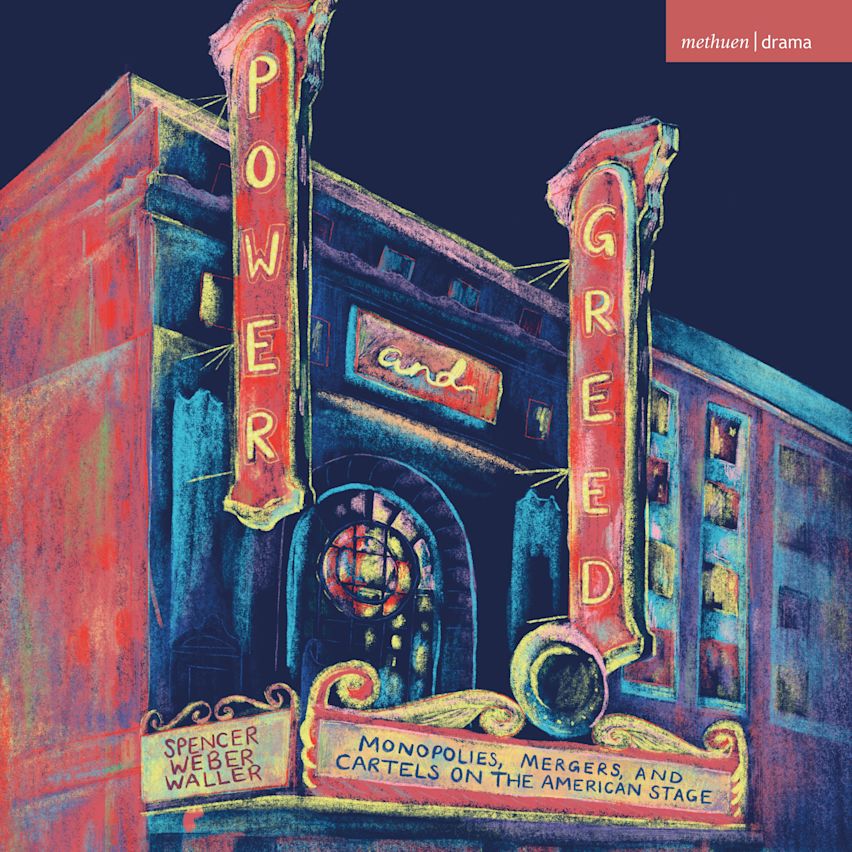
Spencer Waller’s Power and Greed: Monopolies, Mergers, and Cartels on the American Stage to be released October 15 by Methuen Drama/Bloomsbury Publishing reveals Chicago to be at the center of live entertainment monopolies, starting with 19th century vaudeville.
From Gilded Age cartels to contemporary arena giants like Live Nation and Ticketmaster, and including the botched rollout of the 2023 Taylor Swift Eras tour, Waller asks what can be done to change the power of monopolies through stronger enforcement of antitrust laws to prevent soaring prices and poor service for customers who buy their tickets online.

The John Paul Stevens Chair in Competition Law at Loyola Law School and an expert in antitrust and consumer protection law, Waller has lectured and taught at law schools across the country and around the world. He has been an antitrust and organized crime prosecutor with the United States Department of Justice.
Witty and thoughtful, Waller is a dedicated volunteer in service of feeding ministries and other community initiatives. His new book features the Loop, Broadway and other arenas where the men who controlled the entertainment business determined not only who produced for theatrical and vaudeville stages but also what they produced, who would perform, where the show would play, how much the audience would pay and how profits were divided up.
The Orpheum Circuit, started by vaudeville empresario Gustave Walter began in San Francesco in 1891, but soon more theaters across the country sprang up to give more opportunities for acts to perform. Chicago became a center for the circuit and with the improvements of railroads and the telegraph, performers could have up to 40 weeks of performing from Chicago to the west coast.
“Empresarios Benjamin Keith and Edward Albee who dominated the east coast market agreed in 1901 to merge with the Orpheum theaters to collude with one another to eliminate competition,” Spencer aid “They booked every act that was to appear coast to coast. Acts and potential new theaters could be blacklisted. No act could perform on any legitimate stage without them. It was like the control of barrels of whiskey and oil by the Gilded Age barons.”
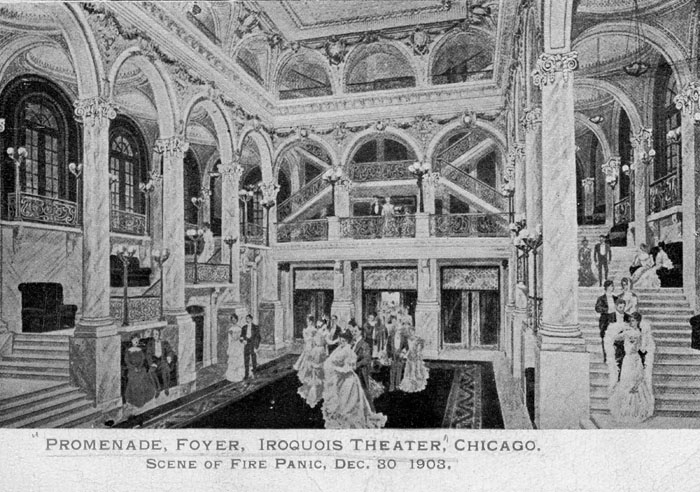
Chicago’s Iroquois Theatre, scene of the worst theater fire in this country killing 650 people, was commissioned by the syndicate.
“The owners were rushing to open it in time for the holidays in 1903. They didn’t complete the necessary work and corners were cut. At that time Chicago was the biggest theater market,” Waller said.
Three young Shubert brothers who were Russian immigrants settled with their parents in Syracuse. Two sold newspapers outside a vaudeville theater and one performed bit part there. They became owners of the largest theater empire in the United States.
“The three brothers eventually broke the monopoly of the syndicate at that time and founded their own. By 1924 the Shubert Organization controlled 86 theaters and managed to keep the doors open during the Depression but by then Vaudeville was out of business. The Shuberts switched to movies but were broken up by anti-trust laws in the 1950s, forced to sell several theaters and the booking business,” Waller said.
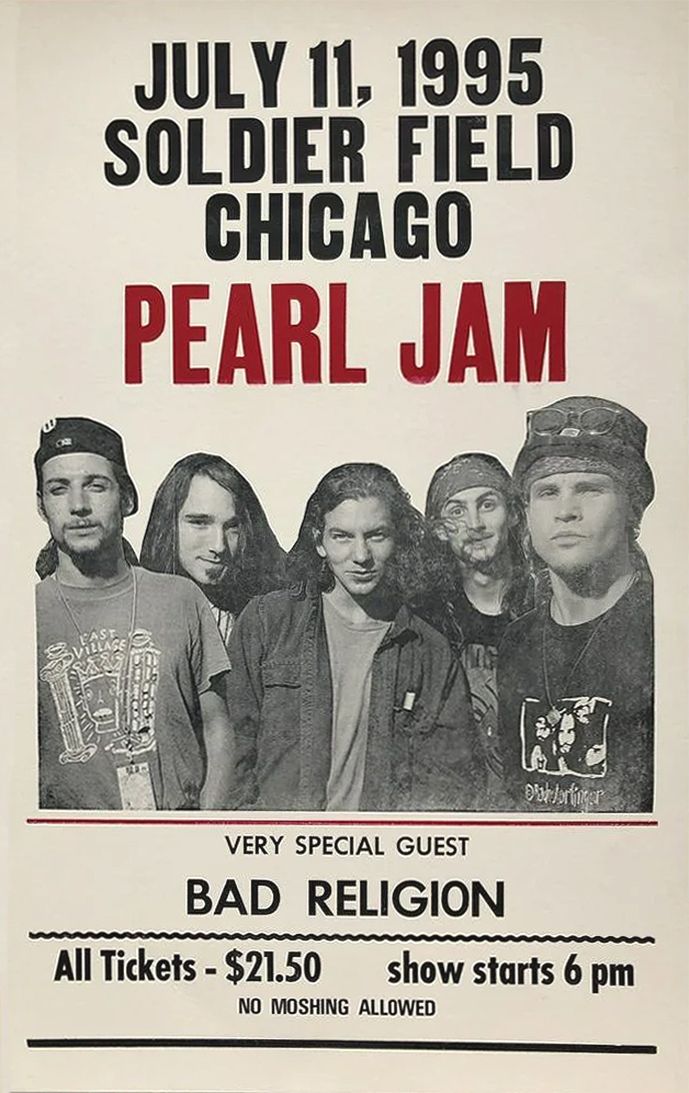
Waller recounts how Pearl Jam tried to sell concert tickets for $20 including a small service fee so that their young fans could afford tickets. Ticketmaster refused to lower its $40 service fee. Pearl Jam filed an antitrust complaint and tried to book other sites. Ultimately, they cancelled their 1994-95 concert season.
“With new technology the money involved is bigger and bigger with sometimes a seat sold through Live Nation costing $2000, Waller, who has had an interest in pop culture and the law for many years and enjoys connecting the dots, said. “You have to ask: how do they get away with this?”
 ← Previous: Searching for Clarity in the Storm